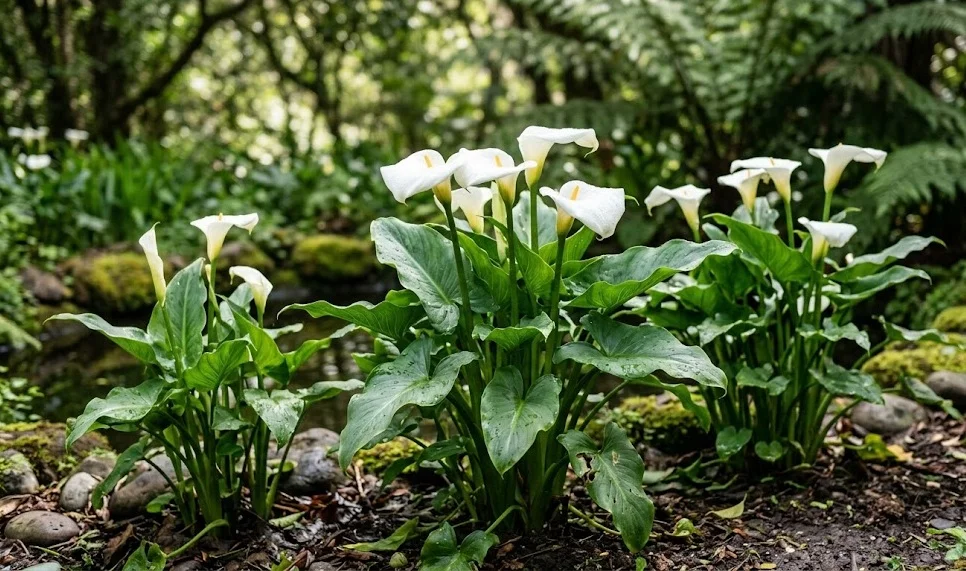

The overwintering of the white calla is a crucial phase in its annual lifecycle, especially for gardeners in regions where temperatures frequently drop below freezing. These plants are essentially tropical or subtropical in nature, and their fleshy rhizomes contain a high percentage of water, making them extremely vulnerable to frost damage. Successful overwintering is not just about survival; it is about preserving the plant’s energy so it can return with even greater vigor in the following spring. By following a structured plan for dormancy and protection, you can ensure that your callas remain a permanent and thriving part of your horticultural collection.
The process begins long before the first frost arrives, as you must monitor the changing seasons and the plant’s natural response to cooler weather. As the days shorten and the nights grow chilly, the white calla will naturally start to slow its growth and its leaves will begin to lose their vibrant green color. This is a clear signal from the plant that it is preparing to enter a period of rest. Your role during this time is to support this transition by gradually reducing the inputs of water and nutrients, allowing the plant to wind down its metabolic processes in a controlled manner.
There are two primary strategies for overwintering white callas, depending on your local climate and whether the plants are grown in the ground or in containers. In milder regions, you may be able to leave the rhizomes in the earth with a significant amount of protective mulching. However, in colder climates, lifting the rhizomes and storing them in a frost-free environment is the only way to guarantee their survival. Both methods require careful attention to detail and an understanding of the conditions that favor the health of the dormant rhizome.
Understanding the difference between a dormant plant and a dead one is also essential during the winter months. A healthy dormant rhizome should remain firm and heavy, while one that has been damaged by frost or rot will feel soft, mushy, or exceptionally light. Regular inspections during the storage period will help you catch any issues before they spread to the rest of your collection. Proper overwintering is a testament to a gardener’s foresight and commitment to the long-term health of their white callas.
Preparing for the dormant phase
The first step in a successful overwintering routine is to allow the plant to naturally enter dormancy by withholding water as autumn progresses. You should stop fertilizing at least six weeks before the expected first frost to avoid encouraging new, tender growth that would be easily killed by the cold. As the soil dries out, the plant will stop producing new leaves and the existing ones will eventually turn yellow and then brown. This process allows the plant to move its valuable carbohydrates from the foliage down into the rhizome for storage.
More articles on this topic
Once the foliage has completely died back or has been hit by a light, non-killing frost, you can safely remove the dead leaves and stems. Use a pair of clean, sharp shears to cut the stems back to within a few centimeters of the soil surface. Removing this dead material is important because it can harbor pests and fungal spores that might otherwise survive the winter and cause problems in the spring. A clean site is much easier to manage, whether you are lifting the rhizomes or leaving them in the ground.
If you are planning to leave your callas in the garden, now is the time to apply a thick layer of protective mulch. This “winter blanket” should be at least 10 to 15 centimeters deep and can consist of materials like straw, bark chips, or shredded leaves. The goal of mulching is to insulate the soil and keep the rhizomes at a stable temperature, preventing the cycle of freezing and thawing that can push them out of the ground or cause them to rot. In very cold areas, you might even consider placing a waterproof tarp or a piece of plywood over the mulch to keep the site dry.
For those who must lift their rhizomes, the timing is critical; you want to wait until the plant is fully dormant but before the ground freezes solid. Digging up the rhizomes while the soil is still workable prevents physical damage and ensures you can remove as much of the root system as possible. Be gentle when using a garden fork or spade, as any nicks or cuts on the fleshy rhizome can become entry points for rot during the storage period. Once lifted, shake off the loose soil and prepare the rhizomes for their winter home.
Cleaning and curing the rhizomes
After lifting the rhizomes from the ground, they require a period of cleaning and “curing” before they can be tucked away for the winter. Start by carefully brushing off any remaining soil with your hands or a soft brush, being careful not to damage the delicate outer skin. You should also remove any remaining bits of stem or old, shriveled roots that are no longer serving the plant. A clean rhizome is much less likely to develop fungal issues during its months in storage.
More articles on this topic
Curing is the process of allowing the rhizomes to dry out slightly in a protected, well-ventilated area for several days. This helps the outer skin to toughen up and allows any small wounds or cut surfaces from the lifting process to callous over. Ideally, you should place them in a single layer on a screen or a tray in a spot that is cool and out of direct sunlight. A temperature of around 15 to 20 degrees Celsius is perfect for this drying phase, which usually takes about three to seven days depending on the humidity.
During the curing process, you should take the opportunity to inspect each rhizome individually for any signs of disease or pest damage. Any rhizomes that feel soft, have a foul smell, or show visible signs of mold should be discarded immediately to prevent them from infecting the healthy ones. This rigorous selection process ensures that you only spend your time and space on the best specimens that are most likely to thrive in the spring. Quality over quantity is the rule when it comes to overwintering callas.
Once the rhizomes are clean, dry, and calloused, some gardeners choose to dust them with a light coating of fungicidal powder as an extra layer of protection. This is particularly useful if you have had issues with rot in the past or if your storage area tends to be somewhat humid. While not strictly necessary for everyone, it is a professional-level precaution that can significantly increase the survival rate of your collection. After this final step, your rhizomes are ready to be packed away for their long winter rest.
Optimal storage conditions and methods
The key to successful winter storage is providing an environment that is cool enough to keep the rhizomes dormant but warm enough to prevent freezing. The ideal temperature range is between 5 and 10 degrees Celsius, which is often found in an unheated basement, a root cellar, or a frost-free garage. If the temperature is too high, the rhizomes may start to sprout prematurely, wasting their stored energy. If it is too low, the water-filled cells in the rhizome will freeze and burst, leading to a mushy, dead plant.
How you pack the rhizomes is just as important as where you store them, as they need a balance of moisture retention and air circulation. A common and effective method is to place the rhizomes in a cardboard box or a plastic bin filled with a dry-to-slightly-damp medium like peat moss, vermiculite, or sawdust. This material cushions the rhizomes and helps to regulate the humidity around them, preventing them from drying out completely. Make sure the rhizomes are not touching each other, so that if one does happen to rot, the problem is contained.
Throughout the winter, you should make it a habit to check on your stored rhizomes at least once a month. This gives you a chance to feel them for firmness and to look for any signs of mold or shriveling. If the packing medium feels bone-dry and the rhizomes are starting to look wrinkled, you can lightly mist the surface with water to restore some humidity. Conversely, if you notice any damp spots or a musty smell, you should increase the ventilation and remove any affected pieces immediately.
For callas grown in containers, the overwintering process can be even simpler, as you can often store the entire pot without lifting the rhizomes. Once the foliage has died back, move the pot to a cool, dark, and frost-free location and stop watering it completely. The dry soil in the pot acts as a natural insulation and a protective environment for the rhizomes. In the spring, you can simply bring the pot back into the light, give it a good soaking, and wait for the new growth to appear, perhaps adding a bit of fresh potting soil to the top.
Waking up the rhizomes in spring
As the winter draws to a close and the threat of heavy frost begins to fade, you can start the process of waking up your white callas. This should be done gradually to avoid shocking the plants with a sudden change in temperature or light. About four to six weeks before you plan to move them outside, bring the rhizomes or pots into a warmer area with indirect light. This gentle heat signals to the plant that the growing season is approaching and encourages the first new shoots to begin developing.
If you have stored your rhizomes in packing material, this is the perfect time to give them a final inspection and perhaps divide any large clumps that have become overcrowded. You can then plant them into individual pots with fresh, nutrient-rich potting soil to give them a head start on the season. Starting callas in pots indoors allows you to control the environment perfectly and ensures that you have strong, healthy plants ready to go into the garden as soon as the weather is consistently warm.
Watering should be very light at first, as the rhizomes do not have an active root system yet and are still prone to rotting if they sit in cold, wet soil. Once you see the first green tips emerging from the soil, you can slowly increase the amount of water and move the plants to a brighter location. This “pre-sprouting” phase is a great way to ensure a longer flowering season and a more impressive display in your garden. By the time the outdoor temperatures are stable, your callas will be well-established and ready to thrive.
The transition to the outdoor environment should be a gradual one, a process known as “hardening off.” Spend about a week moving the plants outside for a few hours each day, gradually increasing their exposure to direct sunlight and wind. This allows the tender indoor-grown foliage to toughen up and prevents it from being scorched or damaged by the elements. Once the nighttime temperatures are reliably above 10 degrees Celsius, you can finally plant them in their permanent summer spots or place their containers in their outdoor positions.