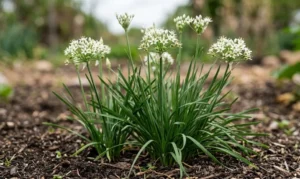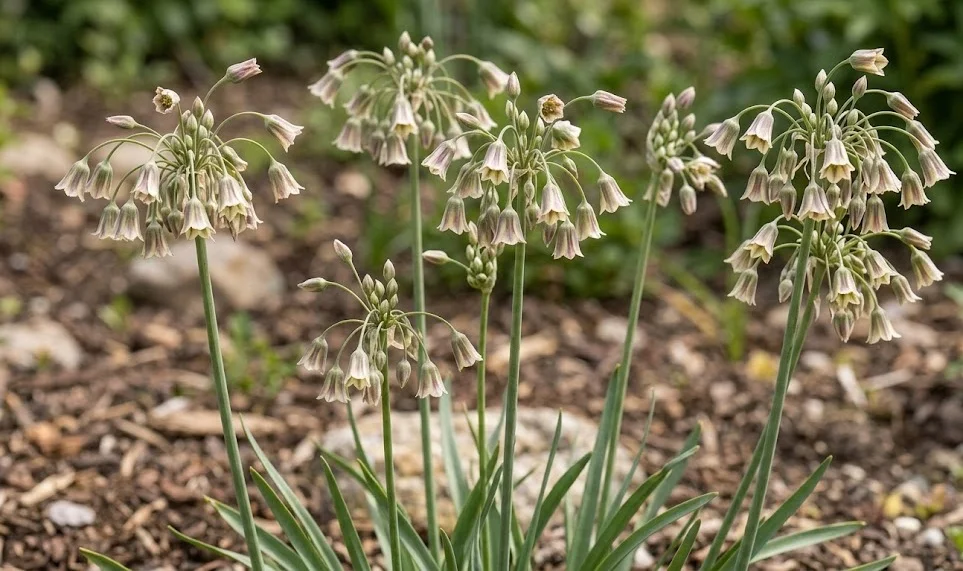

The light requirements of Bulgarian honey garlic are a fundamental aspect of its cultivation that directly impacts its flowering potential and overall health. As a plant with Mediterranean roots, it has evolved to thrive in environments with abundant sunlight and clear skies. Understanding how to manage light exposure in a variety of garden settings allows you to place these bulbs where they will be most successful. Providing the correct light conditions ensures that the flower stalks are strong, the colors are vibrant, and the bulbs remain productive for many years.
In its ideal setting, Bulgarian honey garlic should be planted in a location that receives full sun for at least six to eight hours a day. This intense light provides the energy needed for the plant to produce its tall, architectural flower spikes and large clusters of bells. Without sufficient sunlight, the stems may become weak and elongated as they “reach” for the light, often resulting in them falling over. Professional landscapers always prioritize the sunniest spots in the garden for these striking perennials.
While they are sun-loving plants, they can also tolerate a small amount of light shade, particularly during the hottest part of the afternoon. In regions with very intense summer heat, a bit of filtered light can actually help to preserve the color of the flowers for a longer period. However, if the shade is too deep, the plant will focus its energy on foliage growth rather than flower production. Finding that perfect balance between full sun and light protection is a hallmark of an expert gardener.
The quality of the light is just as important as the quantity, as the plant responds to the seasonal changes in day length. The increasing light of early spring acts as a trigger for the bulbs to break dormancy and begin their rapid growth phase. As the days lengthen toward the summer solstice, the plant reaches its peak flowering period. This rhythmic response to light ensures that the plant is perfectly synchronized with its environment and its pollinators.
Impact of light on flower quality
The intensity of the sunlight has a direct effect on the saturation and depth of the colors in the flower bells. When grown in bright light, the cream, green, and burgundy tones are much more distinct and vibrant. In shadier locations, the colors can appear somewhat muted or washed out, reducing the overall visual impact of the display. If you want the most dramatic effect from your Bulgarian honey garlic, keep them in the brightest possible location.
More articles on this topic
Light also plays a crucial role in the development of the sturdy stems that are necessary to support the nodding flowers. In full sun, the plant produces a thick, fibrous stalk that is naturally resistant to bending or snapping. When light is limited, the plant produces more gibberellins, which are hormones that cause cells to elongate rapidly. This results in a “leggy” plant that lacks the structural integrity to stand upright without assistance.
The timing of the flowering can also be influenced by the amount of light the garden bed receives throughout the spring. Bulbs in a sun-drenched, south-facing border will often bloom a week or two earlier than those in a cooler, shadier part of the garden. You can use this to your advantage to stagger the blooming period across different areas of your landscape. Observing these subtle differences helps you to understand the unique characteristics of your own garden’s microclimate.
After the flowering is finished, the light continues to be essential as the foliage works to recharge the bulb for the next year. The leaves are the plant’s solar panels, capturing energy and converting it into sugars that are stored underground. If the plant is moved into the shade too early, or if its light is blocked by faster-growing neighbors, the bulb may not store enough energy. This can lead to smaller flowers or even a complete lack of blooms in the following season.
Managing light in different garden styles
In a formal garden setting, the architectural silhouette of Bulgarian honey garlic is often used as a centerpiece or a repeated accent. To maintain the crisp, upright lines of this design, consistent and unobstructed sunlight is absolutely necessary. Any leaning caused by light competition will disrupt the symmetry and order of a formal layout. Placing these bulbs away from overhanging trees or large shrubs is the best way to ensure they maintain their verticality.
More articles on this topic
In a more naturalistic or cottage garden, you have a bit more flexibility with light and shadow. The garlic can be woven among other perennials, where it can pop up through a sea of lower-growing foliage. In this environment, the plants might experience shifting light patterns as the sun moves across the sky. This dynamic light can create beautiful effects, with the nodding bells being backlit by the morning or evening sun.
If you are gardening in a small urban space with limited light, you can still enjoy these plants by using reflective surfaces. Placing pots near a light-colored wall or using mirrors can increase the amount of ambient light available to the bulbs. You should also be mindful of shadows cast by nearby buildings or fences, which can change significantly throughout the growing season. A bit of creative thinking can often overcome the challenges of a less-than-ideal light environment.
Finally, remember that the light requirements of your garden will change over time as trees grow and shrubs fill out. What was once a full-sun border may gradually become a part-shade area over the course of several years. It is important to periodically assess the light levels in your garden and move your bulbs if they are no longer getting what they need. This proactive management is the key to maintaining a successful and long-lived garden collection.