
Maintaining the health of your monkey flower requires a deep understanding of its natural habitat and ecological needs. These plants generally thrive in environments that mimic the cool and moist conditions found near stream banks or woodland edges. You should observe the foliage regularly to ensure the plant is reacting positively to its current placement in your garden. Providing a stable foundation is the first step toward achieving a long-lasting and vibrant floral display.
The soil quality plays a pivotal role in the overall development and longevity of the plant throughout the growing season. You need to ensure that the medium is rich in organic matter and capable of retaining moisture without becoming waterlogged. Adding compost or well-rotted manure can significantly improve the texture and nutrient profile of the garden bed. A balanced soil environment prevents the roots from drying out while supporting vigorous growth.
Microclimate management is another essential factor when you are looking to cultivate these specific hybrids successfully. Placing the flowers in a spot that avoids the harsh afternoon sun will prevent the delicate petals from scorching. You might notice that the plant performs better when it is shielded from strong winds that can quickly deplete moisture. Creating a sheltered nook or using taller plants as natural windbreaks can make a substantial difference in its health.
Humidity levels in your garden area will also influence how well the plant manages during the peak of summer heat. If the air is particularly dry, you might consider grouping these flowers with other moisture-loving species to create a localized humid zone. Misting the area around the plants in the morning can provide a temporary boost to the ambient moisture levels. Careful monitoring of these environmental variables allows you to adjust your care routine as the weather shifts.
Establishing a routine for optimal growth
Creating a consistent schedule for checking your plants will help you identify any potential issues before they become serious problems. You should aim to inspect the leaves and stems at least twice a week for any signs of stress or nutrient deficiency. Early intervention is often the key to keeping the blooms vibrant and the stems strong during the active months. Developing a rhythmic approach to garden maintenance ensures that no aspect of care is overlooked.
More articles on this topic
Mulching is a highly effective technique that you can use to maintain stable conditions around the root zone of the monkey flower. Applying a layer of organic mulch helps to suppress weeds while keeping the soil temperature relatively cool and consistent. Wood chips or straw can serve as excellent materials that slowly break down and enrich the ground over time. This simple step reduces the frequency of manual labor while providing a significant benefit to the plant.
Observation of the flowering cycle is necessary if you want to maximize the aesthetic impact of your garden arrangement. When the first flush of blooms begins to fade, you should pay close attention to how the plant allocates its energy. Removing spent flowers can encourage the production of new buds and extend the overall blooming period significantly. This practice keeps the plant looking tidy and prevents it from putting too much effort into seed production prematurely.
The seasonal transition from spring to summer requires a gradual shift in how you manage the local garden environment. As temperatures rise, you might need to increase the frequency of your health checks and moisture assessments. Ensuring that the plant does not experience significant heat stress is vital for maintaining its structural integrity. Adaptability in your care routine reflects the changing needs of the hybrid as it matures through the year.
Managing the soil and nutritional balance
The chemical composition of the soil should be slightly acidic to neutral to provide the best possible growing medium for these hybrids. You can use a simple home testing kit to determine the current pH levels of your garden beds. If the soil is too alkaline, adding peat moss or sulfur can help bring the levels down to a more suitable range. Keeping the soil chemistry in balance allows the roots to absorb essential minerals more efficiently.
More articles on this topic
Organic matter is the lifeblood of a healthy garden, and it is especially important for moisture-retention in this case. You should regularly incorporate fresh compost into the top layer of the soil to replenish depleted nutrients. This practice also improves the drainage capabilities of heavier soils, ensuring that oxygen can reach the root system. A well-structured soil promotes deep root growth and increases the overall resilience of the plant.
Compaction is a common issue that can hinder the development of monkey flowers in high-traffic garden areas. You should avoid stepping directly on the planting beds to prevent the soil from becoming too dense and impenetrable. Using stepping stones or defined paths helps to protect the delicate structure of the ground around your flowers. Aerating the soil gently with a hand fork every spring can restore the necessary porosity for healthy growth.
Monitoring the drainage capacity of your chosen site is essential to prevent the onset of root-related complications. If you notice that water sits on the surface for extended periods after a rainstorm, you may need to amend the area. Adding coarse sand or perlite can help break up heavy clay and improve the flow of moisture through the earth. Proper drainage ensures that the plant stays hydrated without the risk of suffocation from excess water.
Enhancing the aesthetic appeal of the plant
Choosing the right companions for your monkey flowers can create a visually stunning and ecologically balanced garden space. You should look for plants that share similar moisture and light requirements, such as ferns or hostas. The contrast in foliage textures can highlight the unique shape and color patterns of the monkey flower blooms. A thoughtful arrangement makes the garden look more natural and professionally designed.
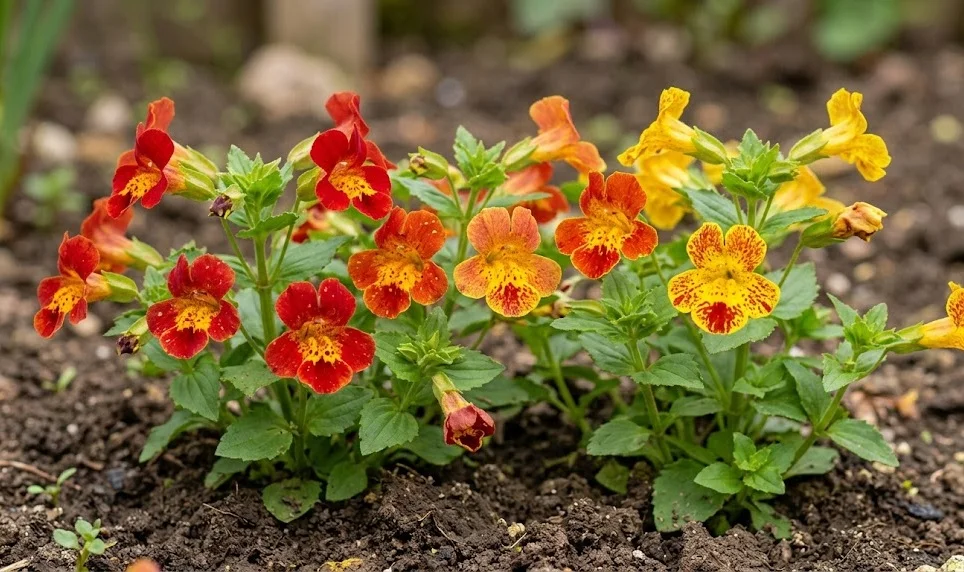
Color coordination is another aspect that you can experiment with to make your garden stand out during the summer months. These hybrids often feature intricate spots and vibrant hues that pair well with deep greens or purples. Planting them in drifts or large groups creates a more dramatic impact than scattered individual specimens. This approach mimics the way flowers often grow in the wild, providing a more cohesive look.
The height and spread of the plant should be considered when you are planning its position within a border or container. Since these flowers tend to have a somewhat spreading habit, they work well as mid-border fillers or front-of-house accents. You can use taller background plants to provide a solid green backdrop that makes the flower colors pop. Understanding the physical dimensions of the mature plant helps you avoid overcrowding and competition.
Container gardening offers a flexible way to showcase these plants on patios or balconies where ground space might be limited. You should choose a pot with adequate drainage holes to prevent water from stagnating at the bottom. Using a high-quality potting mix specifically formulated for flowering plants will provide the best results in a confined space. Moving the containers throughout the day allows you to optimize the light exposure as the seasons change.
Addressing seasonal challenges and stress
Extreme weather events can pose a significant threat to the delicate structure of these flowering hybrids. During periods of intense rain, you might need to provide some form of temporary cover to protect the blossoms from damage. Heavy winds can also snap the stems if they are not properly supported or sheltered by surrounding vegetation. Being proactive during weather warnings helps to minimize the loss of foliage and flowers.
Heatwaves require a specialized approach to ensure that the monkey flower does not wilt or suffer from permanent tissue damage. You should prioritize deep watering during the early morning hours to prepare the plant for the day’s heat. Providing extra shade using a temporary cloth or repositioning containers can offer much-needed relief. Watching for signs of leaf curl or browning edges will tell you if the plant is struggling to cope.
Unexpected frost in the late spring or early autumn can be devastating for these sensitive garden plants. You should keep a close eye on the local weather forecast and have frost blankets or old sheets ready for coverage. Protecting the root zone with a thick layer of mulch can also provide some insulation against sudden temperature drops. Taking these precautions ensures that the growing season is not cut short by a single cold night.
Pest management should be handled with a gentle but firm approach to maintain the health of the entire garden ecosystem. You should regularly check the undersides of leaves for any signs of unwanted visitors or egg clusters. Using organic solutions or manual removal is often enough to keep populations under control without harming beneficial insects. A healthy plant is naturally more resistant to infestations, so general care remains the best defense.
Optimizing the flowering period
The timing of your care interventions can have a direct impact on how long the plant continues to produce new flowers. You should feed the plant with a balanced liquid fertilizer every few weeks to support its metabolic processes. This extra boost of energy is particularly useful when the plant is in its peak blooming phase during mid-summer. Maintaining a steady supply of nutrients prevents the plant from becoming exhausted and stopping production early.
Deadheading is a simple yet effective technique that every gardener should master to keep their plants looking fresh. You should remove the entire flower stalk once the last bloom has faded to encourage the plant to reset its cycle. This prevents the formation of seed pods, which can signal to the plant that its reproductive work is finished for the year. Frequent deadheading keeps the foliage looking lush and the overall appearance much tidier.
Air circulation is an often overlooked factor that contributes to the health and longevity of the blooms. You should ensure that there is enough space between individual plants to allow a gentle breeze to pass through the foliage. Good airflow reduces the risk of fungal growth on the petals and keeps the environment around the plant fresh. Thinning out dense growth can help improve the internal microclimate of the planting group.
Consistent hydration is the foundation of a long-lasting floral display in any moisture-loving species. You should never let the soil dry out completely, as even a short period of drought can cause the buds to drop. Using a soaker hose or drip irrigation system can provide a steady and controlled amount of water directly to the roots. This method is more efficient than overhead watering and keeps the flowers dry and vibrant.
Final considerations for long-term success
Documenting the progress of your plants throughout the year can provide valuable insights for future gardening seasons. You should take notes on when the first flowers appear and how the plant responds to different weather patterns. These records allow you to make more informed decisions about placement and care in the coming years. Reflecting on what worked well and what didn’t is the best way to improve your gardening skills.
Sharing your experiences and plant divisions with fellow gardeners can be a rewarding way to expand your local community. You might find that these hybrids perform differently in various soil types and microclimates within your neighborhood. Exchanging tips and observations helps everyone achieve better results and fosters a shared passion for horticulture. The joy of gardening is often found in the connections we make through our shared efforts.
Evaluating the overall performance of the monkey flower at the end of the season helps you plan for the next year. You should consider whether the chosen location provided the right balance of light and moisture for optimal growth. If the plant struggled, you might decide to move it to a more suitable spot in the following spring. Constant refinement is part of the creative process that makes gardening such an engaging and dynamic hobby.
Sustainable practices should always be at the heart of your gardening philosophy to ensure the health of the planet. You should look for ways to reduce water waste and avoid the use of harsh chemicals that can damage the soil. Using natural fertilizers and encouraging biodiversity in your garden creates a more resilient and beautiful environment. These small choices contribute to a larger effort to protect our natural world while enjoying its beauty.