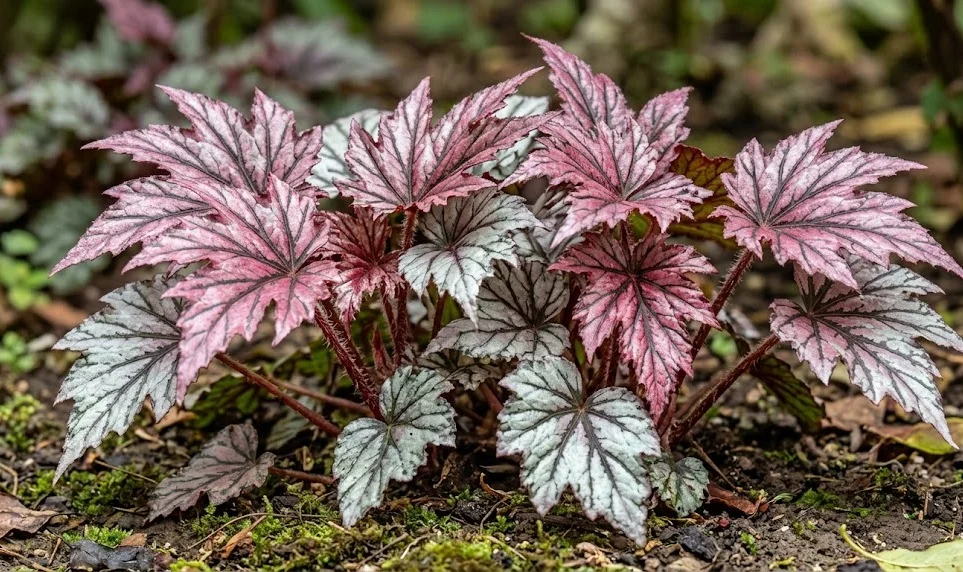

The balance of moisture and nutrients is perhaps the most critical aspect of successfully growing the king begonia. These plants are native to tropical regions where they receive regular rainfall but live in fast-draining soil. Replicating this balance in a home environment requires a disciplined approach and a keen eye for the plant’s subtle signals. We will explore the best practices for watering and fertilizing to ensure your begonia remains healthy and vibrant.
Watering the king begonia is more of an art than a mechanical task that follows a strict calendar. The goal is to keep the soil consistently moist but never saturated, as the roots are highly susceptible to oxygen deprivation. You should always check the moisture level of the soil with your finger before deciding to add more water. If the top inch of the soil feels dry to the touch, it is usually the right time to provide a thorough drink.
When you do water, it is important to do so deeply until water begins to flow out of the drainage holes at the bottom. This ensures that the entire root ball is hydrated and helps flush out any accumulated salts from the potting mix. Always discard any excess water that collects in the saucer after about fifteen minutes to prevent the roots from sitting in stagnant water. This “soak and dry” approach is generally the most effective way to maintain a healthy root system.
The timing of your watering routine can also influence the overall health of the plant over time. Watering in the morning is highly recommended as it allows any accidental moisture on the leaves to evaporate during the day. This significantly reduces the risk of fungal infections that thrive in cool, damp conditions overnight. During the shorter days of winter, the plant’s metabolism slows down, meaning you will need to water much less frequently than in the summer.
Signs of watering issues
Learning to read the leaves of your king begonia will help you identify watering problems before they become fatal. Drooping or wilting leaves can be a sign of both underwatering and overwatering, which can be confusing for new growers. If the leaves are limp but the soil is dry, the plant simply needs a drink to restore its turgidity. However, if the plant is wilting and the soil is wet, you are likely dealing with the early stages of root rot.
More articles on this topic
Yellowing leaves are another common indicator that something is wrong with the moisture balance in the pot. If the lower leaves turn yellow and fall off, it often suggests that the soil has been kept too wet for too long. On the other hand, if the edges of the leaves turn brown and crispy, the plant is likely suffering from low humidity or inconsistent watering. Observing these patterns allows you to make the necessary adjustments to your care routine.
The texture of the stems can also provide valuable clues about the internal hydration of the begonia. Firm, sturdy stems indicate a well-hydrated plant that is effectively moving water from the roots to the foliage. If the stems feel soft or mushy near the soil line, this is a serious warning sign of fungal decay caused by excess moisture. In such cases, it is vital to stop watering immediately and allow the soil to dry out completely.
Chronic underwatering can lead to a stunted appearance and a lack of the vibrant colors that make this variety so popular. The plant may stop producing new leaves entirely as it enters a survival mode to conserve its remaining moisture. While the king begonia can recover from occasional dryness, repeated stress will weaken the plant’s immune system. Consistency is the key to preventing these fluctuations and ensuring a steady rate of growth.
Water quality and temperature
The type of water you use can have a significant impact on the sensitive foliage of the king begonia. Many municipal water supplies contain high levels of chlorine, chloramine, and fluoride, which can build up in the leaf tissues. Over time, these chemicals can cause the tips of the leaves to turn brown or create unsightly spots on the leaf surface. Using filtered water or collected rainwater is the best way to avoid these common chemical sensitivities.
More articles on this topic
Temperature is another crucial factor to consider when preparing to water your tropical plants. Cold water straight from the tap can shock the roots and lead to leaf drop or a temporary halt in growth. Always aim to use water that is at room temperature or slightly lukewarm to ensure a gentle experience for the plant. If you use tap water, letting it sit out overnight allows it to reach the correct temperature and lets some chlorine evaporate.
Distilled water is an option for those who live in areas with extremely hard water, which contains high levels of calcium and magnesium. While these minerals are technically nutrients, an excess of them can interfere with the plant’s ability to absorb other essential elements. However, if you use distilled water exclusively, you must be more diligent with your fertilization routine, as it lacks the trace minerals found in natural water. A balanced approach often works best for most indoor gardening situations.
Seasonal adjustments to your watering strategy are necessary to account for changes in temperature and light. During the peak of summer, high temperatures and active growth mean the plant will use water much more quickly. You may find yourself watering every few days during a heatwave to keep the foliage from wilting. In contrast, during the cool and dark winter months, the plant may only need water once every two weeks.
Fertilizing for vibrant foliage
Providing the right nutrients is essential for maintaining the stunning metallic colors and complex patterns of the king begonia. These plants are relatively light feeders, meaning they prefer small, frequent doses of fertilizer rather than heavy applications. A balanced, water-soluble fertilizer with an equal ratio of nitrogen, phosphorus, and potassium is typically the best choice. Look for a product that also includes micronutrients like iron and manganese for the best results.
During the active growing season, which runs from early spring through late summer, you should fertilize every two to four weeks. Many experts recommend diluting the fertilizer to half of the strength suggested on the product packaging. This “low and slow” approach provides a steady supply of nutrients without the risk of burning the delicate root system. Always apply the fertilizer to moist soil, as applying it to dry roots can cause chemical damage.
The role of nitrogen is particularly important for the king begonia, as it drives the production of the lush foliage we admire. However, too much nitrogen can lead to soft, leggy growth that is more susceptible to pests and diseases. Phosphorus and potassium help strengthen the stems and support the overall structural integrity of the plant. Finding the right balance ensures that your begonia remains compact and sturdy while producing large, colorful leaves.
As the growth slows down in the autumn, you should gradually reduce the frequency of your fertilization. Once the plant enters its winter dormancy period, you should stop fertilizing entirely until the following spring. Adding nutrients during the resting phase can lead to a buildup of salts in the soil, which can harm the plant when it tries to wake up. This seasonal rhythm allows the plant to rest and prepare for a burst of new growth when the light returns.
Correcting nutrient imbalances
If you notice that your king begonia isn’t looking its best, it may be suffering from a nutrient deficiency or toxicity. Pale, washed-out leaves can sometimes indicate a lack of nitrogen or insufficient light for proper photosynthesis. If the new leaves are significantly smaller than the older ones, the plant may be running low on essential minerals. Adjusting your feeding schedule or switching to a more comprehensive fertilizer can often resolve these issues quickly.
On the other hand, over-fertilization can cause a variety of problems that are often harder to correct than deficiencies. One of the most common signs is the appearance of brown, burnt edges on the leaves, known as fertilizer burn. You may also see a white, crusty buildup on the surface of the soil or around the drainage holes of the pot. If you suspect over-fertilization, flush the soil with plenty of clear water to wash away the excess salts.
Iron deficiency is a specific problem that can affect the appearance of begonias, especially in high-pH soils. This typically manifests as yellowing between the leaf veins while the veins themselves remain green. Using a fertilizer that contains chelated iron can help the plant absorb this vital element more effectively. Monitoring the pH of your potting mix can also help ensure that nutrients remain available to the plant at all times.
Regularly refreshing the potting soil is one of the best ways to prevent long-term nutrient problems. Over a year or two, the organic matter in the soil breaks down and the mineral balance can become skewed. Repotting your king begonia into fresh mix every spring gives it a clean slate and a fresh supply of nutrients. This practice, combined with a careful fertilization routine, will keep your plant in peak condition for many years.