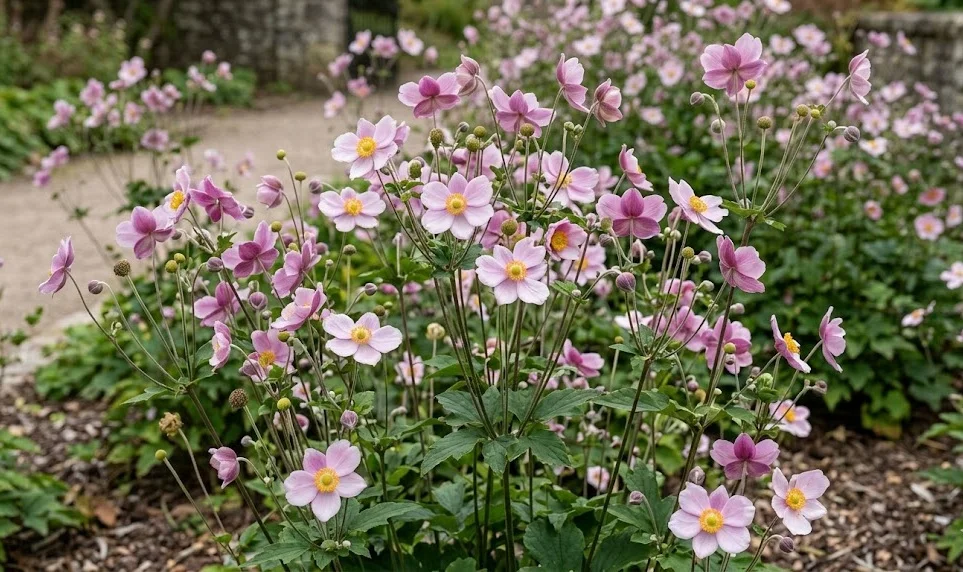

Understanding the light requirements of the Chinese anemone is fundamental to ensuring its health and maximizing its floral display. These elegant perennials are often categorized as “part-shade” plants, reflecting their natural origins along the edges of forests where light is filtered through the canopy. However, the ideal amount of light can vary depending on your local climate, the specific variety of anemone you are growing, and the quality of your soil. Finding the perfect balance between sun and shade is the key to preventing leaf scorch while still encouraging the plant to produce its tall, magnificent flower spikes.
The ideal light balance
For most gardens, the perfect location for a Chinese anemone is one that receives bright, indirect light or gentle morning sun followed by afternoon shade. The soft light of the morning provides the energy the plant needs for photosynthesis without the intense heat that comes later in the day. This balance keeps the foliage cool and lush, preventing the leaves from wilting or developing brown, crispy edges. In a professional landscape, these plants are often placed on the eastern side of a building or under the high canopy of deciduous trees.
If the plant is placed in too much deep shade, you will likely notice that it becomes “leggy,” with long, weak stems that lean toward the nearest light source. While the foliage may still look healthy and green, the plant will produce significantly fewer flowers, and those that do appear may be smaller and less vibrant. Shade is excellent for keeping the plant hydrated, but a complete lack of direct light will eventually sap the plant’s vigor. If your anemones aren’t blooming well, a lack of light is one of the first things you should investigate.
Conversely, too much direct afternoon sun can be equally damaging, especially in warmer climates where the heat is more intense. The large, soft leaves of the anemone lose moisture rapidly through transpiration, and they can struggle to keep up if the sun is beating down on them for hours. You may see the plant wilting during the day and then recovering in the evening, which is a clear sign of environmental stress. Over time, this stress will weaken the plant and make it more susceptible to pests and diseases.
In cooler northern climates, the Chinese anemone can often tolerate more direct sun than it could in the south, provided the soil remains consistently moist. The lower overall temperatures and higher humidity levels help to offset the intensity of the light. This adaptability is part of what makes the anemone such a versatile garden plant, but it also means that you must tailor your care to your specific geographical location. Observing how your plant responds to its environment is the best way to determine if it has the right amount of light.
More articles on this topic
Managing light and soil moisture
The relationship between light exposure and soil moisture is one of the most important aspects of caring for moisture-loving perennials like the anemone. The more sun a plant receives, the faster it will use up the water in the soil, meaning you will need to be much more diligent with your irrigation routine. If you have a sunny spot that you really want to fill with anemones, you must ensure that the soil is exceptionally rich in organic matter to help it hold onto every drop of moisture.
Mulching becomes even more critical in sunnier locations, as it helps to keep the root zone cool even when the foliage is in the light. A thick layer of bark or compost can significantly reduce the soil temperature and prevent the rapid evaporation that leads to plant stress. In a professional setting, gardeners often use a combination of mulching and “under-planting” with low-growing groundcovers to provide an extra layer of shade for the roots. This layered approach mimics the complex cooling systems of a natural woodland ecosystem.
If you notice your anemones struggling in a sunny spot despite regular watering, it may be worth providing some temporary shade during the hottest weeks of summer. This can be as simple as placing a garden chair or a piece of lattice nearby to block the direct rays of the afternoon sun. While not a permanent solution, it can give the plant the break it needs to survive a particularly intense heatwave. For a long-term fix, you might consider planting a taller perennial or a small shrub nearby to provide more permanent filtered light.
On the other hand, in very shady areas, you should be careful not to over-water, as the soil will stay damp for much longer without the sun to dry it out. In these conditions, good drainage is more important than ever to prevent the roots from sitting in cold, stagnant water. Finding the right balance between light and water is a continuous process of observation and adjustment. When you get it right, your Chinese anemone will reward you with a stunningly healthy and prolific display that lasts for weeks.
More articles on this topic
Visual cues and plant response
A professional gardener always looks to the plant itself for information about whether its environmental needs are being met. The leaves of the Chinese anemone are excellent indicators of light stress; healthy leaves should be a deep, consistent green and feel firm to the touch. If you see the leaves turning a pale, yellowish-green or developing white “bleached” patches, it is a strong sign that the plant is receiving too much intense light. This is essentially a form of sunburn that damages the delicate chlorophyll in the leaf tissue.
Another visual cue is the direction and strength of the flower stems as they grow toward the light. If the stems are growing straight and strong, the light levels are likely just right for the plant’s needs. If they are tilting heavily in one direction, you might need to prune back some overhanging branches or move the plant to a more open location. The goal is to have an upright, balanced plant that can support its own weight without excessive staking or leaning.
The quality and quantity of the flowers are the ultimate indicators of whether the light requirements are being satisfied. A plant in its “sweet spot” will be covered in blooms that have deep, vibrant colors and thick, resilient petals. If the flowers are sparse or appear “washed out,” it may be a sign that the plant isn’t getting enough light to fuel its heavy blooming phase. Keeping a simple garden journal can help you track these changes over several years and determine the best long-term placement for your anemones.
Finally, remember that the light levels in your garden will change over time as trees grow and buildings are altered. What was once a perfect part-shade spot may become deep shade or full sun over the course of a few years. Being willing to move your plants or adjust their surroundings is part of the ongoing journey of gardening. By staying attentive to the subtle cues your anemones provide, you can ensure they always have the light they need to shine.