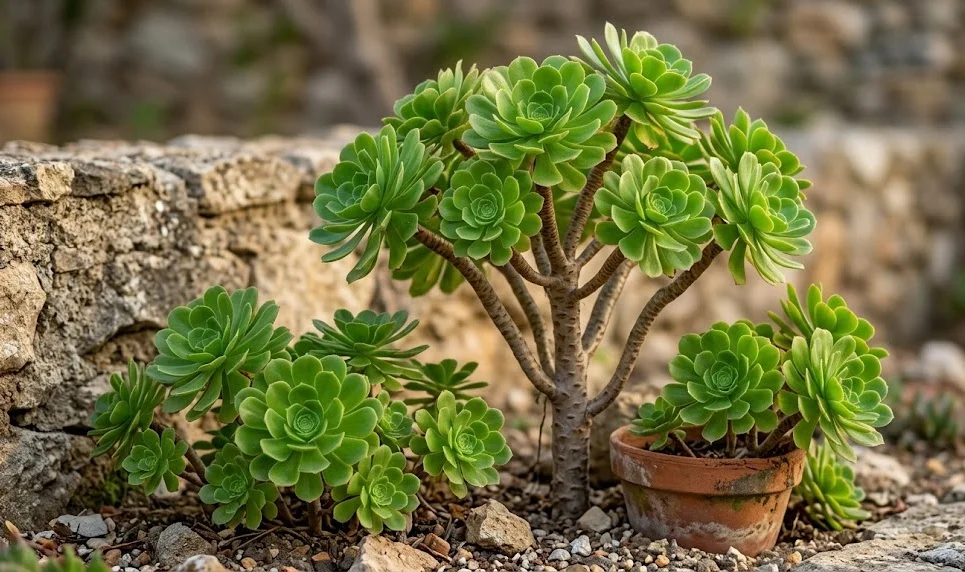

The tree aeonium is a stunning succulent that brings a unique architectural element to any garden or indoor collection. This plant is known for its tall stems and striking rosettes of leaves that mimic the appearance of small trees. Successful cultivation requires a deep understanding of its specific environmental needs and growth habits throughout the year. Gardeners must pay close attention to the balance of moisture and air circulation to ensure long-term vitality.
Maintaining this succulent involves more than just occasional watering and checking for new growth. You should monitor the foliage for any changes in color or texture, as these are primary indicators of health. The plant naturally sheds lower leaves as it grows taller, which is a normal process and not a cause for alarm. Understanding these natural cycles helps you distinguish between healthy development and potential environmental stress.
The environmental conditions where you place your plant will dictate how often it requires hands-on maintenance. In Mediterranean climates, these plants can thrive outdoors with minimal intervention, but in cooler regions, they need more protection. Indoor specimens require a specific set of rules to prevent leggy growth and maintain their compact rosette shape. Providing the right foundation from the beginning sets the stage for a specimen that can live for many decades.
Professional growers often emphasize the importance of air movement around the thick stems and dense leaf clusters. Stagnant air can lead to moisture buildup, which often results in fungal issues or rot in the center of the rosettes. You should ensure that your growing space has adequate ventilation, especially during the humid summer months when the plant might be dormant. A well-ventilated area mimics the coastal breezes of their native Canary Islands habitat.
Temperature and environment
The tree aeonium is sensitive to extreme temperatures, preferring a moderate range that stays above freezing at all times. Ideal temperatures during the growing season fall between eighteen and twenty-four degrees Celsius for optimal metabolic activity. While they can tolerate brief periods of heat, prolonged exposure to temperatures above thirty-five degrees may trigger a defensive dormancy state. You should provide some afternoon shade if you live in a region with particularly scorching summer sun.
More articles on this topic
Winter care is especially critical because these plants are not frost-hardy and will suffer cell damage if frozen. If the temperature drops below five degrees Celsius, it is time to move your outdoor containers to a protected location. Even a light frost can turn the succulent leaves into a mushy texture, often leading to the death of the entire branch. Using frost blankets can provide temporary protection, but a stable indoor environment is much safer for sensitive specimens.
Humidity levels also play a significant role in how the plant manages its internal water reserves. High humidity can be challenging if the temperature is also low, as this combination encourages various types of rot. Conversely, very dry indoor air during the winter might cause the leaves to curl or drop prematurely. Aiming for a middle ground in humidity will keep the foliage looking plump and vibrant throughout the seasons.
Seasonal shifts should dictate how you manage the environment surrounding your succulents. During the spring and autumn, when growth is most active, the plant enjoys the natural fluctuation between day and night temperatures. This variation helps strengthen the plant’s structure and can even enhance the pigmentation in certain cultivars. Observing how your plant reacts to these shifts will help you become a more intuitive and successful succulent gardener.
Potting and soil conditions
Choosing the right potting medium is the most important step in preventing root-related issues for your tree aeonium. Standard potting soil is usually too heavy and retains far too much moisture for these desert-dwelling plants. You should use a dedicated succulent mix or create your own by adding coarse sand and perlite to high-quality loam. This ensures that water moves through the root zone quickly while still providing enough structure for the plant to stand upright.
More articles on this topic
The type of container you choose will also impact how the soil dries out after each watering session. Terracotta pots are often recommended because the porous material allows the soil to breathe and moisture to evaporate through the walls. If you prefer plastic or glazed ceramic pots, you must be even more diligent about ensuring they have large drainage holes at the bottom. Never allow the pot to sit in a saucer full of standing water for any length of time.
Repotting should generally occur every two to three years to refresh the nutrients and provide more space for expanding roots. You will know it is time to repot when you see roots emerging from the drainage holes or if the plant becomes top-heavy and prone to tipping. Spring is the best time for this task as the plant is entering its peak growth phase. Handle the brittle stems with care during the transition to avoid breaking off the beautiful rosettes.
When placing the plant in a new container, ensure that the soil level remains the same as it was in the previous pot. Burying the stem too deeply can lead to stem rot, while planting it too shallowly may leave it unstable. Gently firm the soil around the base to provide support, but avoid packing it so tightly that air cannot reach the roots. Wait a few days before watering after repotting to allow any damaged roots time to callous over and heal.
Seasonal growth patterns
Unlike many other succulents, the tree aeonium is often more active during the cooler months of the year. This winter-growing habit means that you will see the most significant growth during the spring and late autumn. Understanding this cycle is vital so you do not mistake summer dormancy for a sign of poor health. During the height of summer, the rosettes may close up tightly to conserve moisture and protect the growing point.
When the plant is dormant in the summer, it requires significantly less intervention and almost no supplemental feeding. You might notice the outer leaves turning yellow or falling off, which is the plant’s way of recycling nutrients. Resist the urge to water more frequently during this time, as the roots are not actively taking up much moisture. Excessive water during summer dormancy is one of the most common causes of plant failure among beginners.
As the weather cools in the autumn, you will see the rosettes begin to open and expand once again. This is the signal to resume a more regular watering schedule and provide the nutrients needed for new growth. The colors of the foliage often become more intense during this period, especially if the plant is exposed to bright, indirect light. This transition is a rewarding time for gardeners as the plant regains its full, lush appearance.
Winter growth is steady but requires careful monitoring of light levels to prevent the stems from stretching too much. If you keep the plant indoors, placing it near a south-facing window will help it maintain its compact and sturdy form. In warmer climates where the plant stays outdoors, winter rains may provide all the moisture the plant needs. Always adjust your care routine based on the specific weather patterns of your local area each year.
Maintenance routines
Regular maintenance keeps your tree aeonium looking its best and helps prevent small issues from becoming major problems. You should make a habit of removing dead or dried leaves from the base of the rosettes every few weeks. This not only improves the appearance but also removes potential hiding spots for pests like mealybugs. Use a pair of clean tweezers or your fingers to gently pull away the spent foliage without damaging the stem.
Dust can accumulate on the broad leaves of the rosettes, especially when the plant is kept indoors for long periods. A layer of dust can interfere with photosynthesis and make the plant look dull and neglected. You can gently wipe the leaves with a damp cloth or give the plant a light rinse with lukewarm water. Ensure that the center of the rosette dries quickly after cleaning to prevent any moisture from sitting in the crown.
Checking the stability of the plant is another important part of your routine maintenance schedule. Because these succulents grow on relatively thin stems but produce heavy heads, they can sometimes become lopsided. You might need to use a small bamboo stake to provide support until the stem thickens and hardens enough to hold the weight. Rotating the pot every week will also encourage the plant to grow straight rather than leaning toward the light.
Observation is the most powerful tool in your maintenance kit when dealing with these long-lived succulents. Spend a few minutes each week looking closely at the stem, the underside of the leaves, and the soil surface. Early detection of pests or signs of nutrient deficiency makes treatment much easier and more effective. A proactive approach ensures that your plant remains a highlight of your collection for many years to come.
Common mistakes to avoid
One of the most frequent errors made by new owners is treating the tree aeonium exactly like a desert cactus. While they are succulents, they have a lower tolerance for extreme drought and require more frequent watering during their active phase. Allowing the soil to stay bone-dry for months will cause the leaves to shrivel and the plant to lose its vigor. Finding the balance between “moist” and “waterlogged” is the key to mastering their care.
Another common pitfall is placing the plant in a location with insufficient light, which leads to a condition called etiolation. When this happens, the stem grows rapidly toward the nearest light source, becoming weak, pale, and spindly. The beautiful compact rosettes will flatten out and lose their characteristic shape, making the plant look unattractive. If you notice your plant stretching, it is a clear sign that it needs to be moved to a brighter spot immediately.
Using the wrong type of fertilizer or over-fertilizing is also a mistake that can lead to soft, weak growth. These plants do not require high levels of nitrogen, which can cause them to grow too quickly and become susceptible to pests. Always use a balanced succulent fertilizer at half the recommended strength to provide a gentle boost. Never fertilize a plant that is stressed by heat, cold, or a recent move to a new environment.
Finally, many people fail to account for the plant’s unique winter-growing cycle and summer dormancy period. Watering heavily in the summer and withholding water in the winter is the opposite of what the plant actually needs. This mismatch with the plant’s natural biological clock leads to root rot in the summer and stunted growth in the winter. Aligning your care with the plant’s internal calendar is essential for a thriving and healthy specimen.
Long-term health tips
To ensure your tree aeonium thrives for decades, you should focus on building a strong and resilient root system. This is achieved through consistent but careful watering and using a high-quality substrate that does not degrade quickly. Avoid moving the plant too frequently, as succulents can be sensitive to sudden changes in light intensity or temperature. Once you find a location where the plant is happy, try to keep it there as much as possible.
Monitoring the age of your plant is also important because some aeoniums are monocarpic, meaning they die after flowering. While the main rosette may perish after producing a bloom, the plant usually produces many side offsets that will continue to grow. You can propagate these offsets to ensure the lineage of your favorite plant continues indefinitely in your garden. Understanding this life cycle prevents unnecessary disappointment when a mature plant finally reaches its blooming stage.
As the plant grows taller and more branched, you can use selective pruning to maintain its aesthetic appeal and structural integrity. Removing older, less vigorous branches can stimulate the growth of new, healthy rosettes closer to the main trunk. This keeps the specimen looking youthful and prevents it from becoming a tangled mess of bare stems. Always use sterilized tools when making any cuts to prevent the introduction of pathogens into the vascular system.
Sharing your passion for these plants with others can also lead to better care through the exchange of local knowledge. Every microclimate is different, and talking to other growers in your area can provide valuable insights into specific challenges. Joining a local succulent society or online forum allows you to learn from the successes and failures of others. Cultivating a community around your hobby makes the process of gardening even more rewarding and educational.