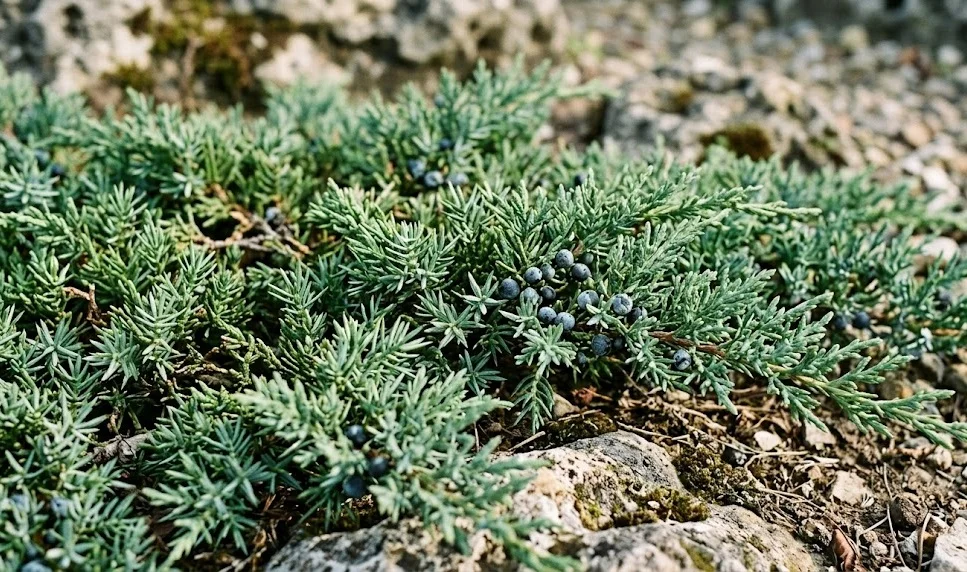

Pruning is a vital maintenance task that helps to shape the savin juniper and maintain its health throughout its long life. When done correctly, it encourages denser growth, removes damaged wood, and prevents the plant from overwhelming its neighbors in the garden. Because this species is a slow to moderate grower, you should approach pruning with a clear plan and a gentle hand. A professional pruning job not only enhances the beauty of the shrub but also ensures its structural integrity for years to come.
The best time to perform regular maintenance pruning is in the late spring or early summer, after the first flush of new growth has started to harden. This timing allows the plant to recover quickly and gives the new shoots time to fill in any gaps created by your cuts. Avoid pruning in the late autumn or winter, as the fresh cuts can be susceptible to damage from extreme cold or drying winds. By working with the plant’s natural growth cycle, you ensure the best possible results with the least amount of stress.
One of the most important things to remember when pruning any juniper is that they do not readily grow back from old, bare wood. This means that you should always make your cuts within the green, leaf-bearing part of the branch rather than cutting back to the brown, leafless interior. If you cut too deeply into the old wood, you will be left with a permanent dead spot that will never fill in with new foliage. Precision and careful observation are the keys to avoiding this common and unsightly mistake.
Safety should always be a priority when pruning this species due to its toxic resins and the potential for skin irritation. Wear heavy gloves, long sleeves, and eye protection to prevent any accidental contact with the sticky sap or the sharp needles. It is also important to use sharp, clean tools to ensure clean cuts that heal quickly and do not harbor pathogens. With the right tools and a careful approach, you can keep your savin juniper looking its absolute best throughout the seasons.
Best timing for structural pruning
Structural pruning is the process of managing the overall framework of the plant to ensure it remains strong and well-balanced. This type of pruning is best done in the early spring, just as the buds are beginning to swell but before the main growth spurt begins. At this time, you can clearly see the structure of the branches without the full weight of the new foliage in the way. It is the ideal window for making larger decisions about the plant’s future shape and size.
More articles on this topic
Start by identifying the “three Ds”: dead, damaged, or diseased wood, which should always be the first things removed from the plant. Removing these branches immediately improves the health of the shrub and prevents the spread of any potential problems. Once the health-related pruning is complete, you can move on to thinning out any branches that are crossing or rubbing against each other. This improves the airflow within the canopy and reduces the risk of physical damage during high winds or heavy snow.
If the plant is becoming too wide for its space, you can use structural pruning to gently redirect its growth. Instead of “heading back” all the branches at the same level, which creates an unnatural and bushy look, use “thinning cuts” to remove entire branches back to their point of origin. This technique maintains the natural, layered appearance of the juniper while effectively reducing its overall footprint. It is a more professional and sophisticated way to manage the size of an evergrowing shrub.
Always take a step back and look at the whole plant from different angles after every few cuts to ensure you are maintaining a balanced shape. It is very easy to get focused on one small area and end up removing too much wood from one side. Remember that you can always remove more later, but you can never put a branch back once it has been cut. A slow, methodical approach to structural pruning will always yield the most beautiful and natural-looking results for your landscape.
Tools and techniques for clean cuts
The quality of your pruning tools is directly reflected in the health and appearance of your plants after the job is done. For a savin juniper, you will primarily need a sharp pair of bypass pruners for smaller stems and a set of loppers for the thicker branches. Bypass pruners work like scissors, making a clean, sharp cut that minimizes damage to the plant’s living tissue. Avoid anvil-style pruners, which can crush the stems and create a jagged wound that is more likely to rot or become infected.
More articles on this topic
Before you begin, ensure that your tools are not only sharp but also properly disinfected to prevent the spread of disease. You can use a solution of ten percent bleach or simply wipe the blades with rubbing alcohol between each plant you prune. This is a critical step if you are working on multiple junipers or if you have recently removed diseased wood from another part of the garden. Maintaining high standards of tool hygiene is the mark of a truly professional and responsible gardener.
When making a cut, always aim for a point just above a healthy outward-facing bud or a lateral branch. This encourages the new growth to move away from the center of the plant, which helps to maintain an open and airy structure. Avoid leaving long “stubs,” as these will eventually die back and provide a point of entry for pests and fungal pathogens. A clean cut that is made at a slight angle will also help water to run off the wound, further reducing the risk of rot.
For very large branches that require a saw, use the “three-cut method” to prevent the weight of the limb from stripping the bark as it falls. First, make an undercut a few inches away from the trunk, followed by a top cut slightly further out to remove the bulk of the limb. Finally, make a clean finish cut just outside the branch collar, the slightly swollen area where the branch meets the trunk. This technique protects the main trunk and allows the plant to heal the wound as quickly and efficiently as possible.
Rejuvenating overgrown shrubs
Over time, even a well-maintained savin juniper can become overgrown, losing its shape and becoming bare in the center. While you cannot perform a “hard prune” back to the main trunk, you can still rejuvenate the plant through a process of selective thinning over several years. This technique involves removing about one-third of the oldest and most overgrown branches each year to encourage new growth from the base. By taking a gradual approach, you allow the plant to maintain its health and appearance while you slowly rebuild its structure.
Focus your rejuvenation efforts on the branches that are most out of proportion with the rest of the plant or those that are blocking light from reaching the interior. By removing these large limbs, you let more sunlight into the center of the shrub, which may stimulate dormant buds to produce new green growth. It is a slow process that requires patience, but it is the only way to successfully “reset” an older specimen. After three years of this consistent thinning, you will have a much smaller, denser, and more vibrant plant.
During the rejuvenation period, it is important to provide the plant with extra care in the form of regular watering and a light application of fertilizer. The plant will be using a significant amount of energy to produce new growth and to heal the large pruning wounds you have created. Monitoring for pests and diseases is also critical, as the fresh cuts can be attractive to certain opportunistic insects. Your goal is to support the plant through this transition so that it can return to its full glory as a focal point in your garden.
If a juniper has become so overgrown and bare that rejuvenation pruning is unlikely to be successful, it may be time to consider replacing the specimen. Every plant has a natural lifespan and a limit to how much it can be manipulated through pruning. Sometimes, the most professional decision is to start fresh with a new, healthy plant that fits the current needs of your landscape. Whether you are rejuvenating or replacing, your commitment to the beauty and health of your garden is what truly matters in the end.