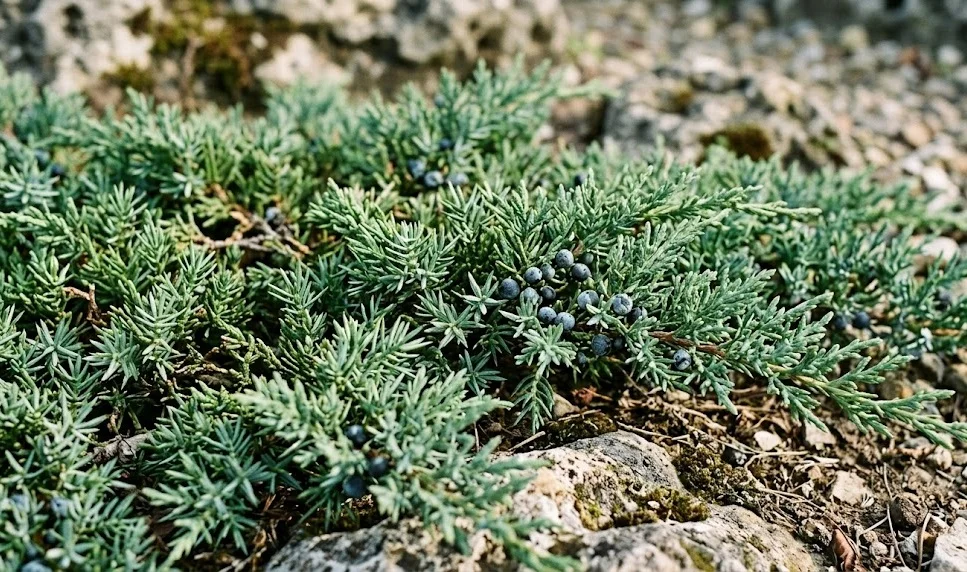

Maintaining the health of the savin juniper requires a vigilant eye for the various diseases and pests that can occasionally target this resilient species. While it is generally a hardy plant, certain environmental conditions can make it more susceptible to fungal infections and insect infestations. Understanding the life cycles of these common problems is the first step in developing an effective integrated pest management strategy. By catching issues early, you can often resolve them with minimal intervention and prevent any long-term damage to the shrub’s aesthetic appeal.
Fungal diseases are perhaps the most common challenge for junipers, especially in regions with high humidity or frequent rainfall. These pathogens often manifest as spotting on the needles, dieback of the branch tips, or unusual growths on the stems. Good cultural practices, such as ensuring proper air circulation and avoiding overhead watering, are your best defense against these invisible threats. A healthy plant in a well-sited location is much less likely to suffer from severe fungal outbreaks.
Insects and mites can also pose a threat, often feeding on the sap of the plant and causing the foliage to lose its vibrant color. Some of these pests are so small that they are difficult to see with the naked eye until the damage is already significant. Regular inspections of the inner branches and the undersides of the needles will help you spot these intruders before they can colonize the entire plant. Using targeted treatments rather than broad-spectrum chemicals helps to protect the beneficial insects that live in your garden.
The overall goal of pest and disease management is not to create a sterile environment, but to maintain a balance that favors the health of the plant. A few insects or a small amount of spotting is often a natural part of a garden ecosystem and may not require any treatment at all. However, when a problem begins to affect the vigor or the structure of the shrub, it is time to take action. This professional approach to plant health ensures that your savin juniper remains a beautiful and productive part of your landscape for many years.
Identifying common fungal infections
One of the most recognizable fungal issues for this species is the rust disease that alternates between junipers and plants in the rose family. This fungus creates unusual, orange, gelatinous galls on the branches of the juniper during the wet spring months. While these galls might look alarming, they are often more of a cosmetic issue than a lethal threat to the plant. Pruning out the affected branches can help to reduce the spread of spores to nearby hawthorns or apple trees.
More articles on this topic
Tip blight is another fungal condition that can cause the new, tender growth at the ends of the branches to turn brown and die. This is often caused by pathogens that thrive in cool, damp weather and can spread quickly through the canopy if left unchecked. You will notice that the affected tips become brittle and may eventually fall off the plant entirely. Removing and destroying the diseased material is the best way to stop the cycle of infection and encourage healthy new growth.
Root rot is a much more serious fungal problem that occurs when the plant is grown in soil that stays wet for long periods. Because the damage happens underground, the first signs you might see are a general yellowing of the foliage or a sudden wilting of the entire shrub. By the time these symptoms appear, the root system may already be severely compromised, making recovery difficult. Ensuring excellent drainage from the very beginning is the most effective way to prevent this devastating disease.
Canker diseases can also affect the stems and branches, causing sunken or discolored areas in the bark that eventually girdle the limb. These infections often enter the plant through wounds caused by improper pruning or physical damage from storms. Once a canker has formed, the parts of the branch beyond the infection will lose their source of water and nutrients and will eventually die. Keeping your tools clean and making proper pruning cuts will significantly reduce the risk of these opportunistic fungi.
Managing rust diseases effectively
Dealing with juniper rust requires an understanding of its complex life cycle, which involves two different host plants to complete. The fungus spends the winter on the juniper and then releases spores in the spring that travel through the air to infect fruit trees. Managing this disease is often a community effort, as the spores can travel significant distances on the wind. If you have both junipers and pomaceous fruit trees in your garden, you may need to be especially proactive with your management.
More articles on this topic
The gelatinous orange horns that emerge from juniper galls in the spring are the spore-producing structures of the rust fungus. These horns only appear during rainy weather and can disappear quickly once the sun comes out and the air dries. If you see these galls forming, the most effective mechanical control is simply to prune them off before they have a chance to release their spores. This simple task can greatly reduce the infection pressure on the other host plants in the vicinity.
In some cases, the use of preventative fungicides may be necessary to protect high-value specimens from severe rust infections. These treatments are typically applied in the late summer or early autumn when the spores are returning from the fruit trees to the junipers. It is important to follow the product instructions carefully to ensure that the timing and the coverage are correct for the best results. However, most gardeners find that cultural controls and selective pruning are sufficient for managing the disease.
Choosing resistant varieties is the best long-term solution for areas where rust is a persistent and significant problem. Some cultivars of the savin juniper have been bred specifically for their ability to withstand rust infections without showing significant symptoms. If you are planning a new landscape in an area with many apple or hawthorn trees, these resistant plants are a wise investment. This proactive choice reduces the need for future maintenance and chemical treatments in your garden.
Combating spider mite infestations
Spider mites are common pests that can cause the foliage of the savin juniper to take on a dull, bronzed, or stippled appearance. These tiny arachnids thrive in hot, dry conditions and can reproduce incredibly quickly when the weather is in their favor. Because they are so small, you might not notice them until you see fine webbing between the needles or a significant loss of color. A simple way to check for them is to shake a branch over a white piece of paper and look for tiny moving specks.
The damage caused by spider mites is the result of their feeding behavior, as they pierce the plant cells and suck out the internal fluids. This leads to a loss of chlorophyll and a reduction in the plant’s ability to photosynthesize effectively. If the infestation is severe, the needles may eventually turn brown and fall off, leading to sparse and unattractive branches. Early intervention is key to preventing the population from reaching these damaging levels during the peak of summer.
One of the easiest ways to manage spider mites is to regularly blast the foliage with a strong stream of water from a garden hose. This physical action knocks the mites off the plant and disrupts their delicate webbing, making it harder for them to recolonize. It also increases the humidity around the plant, which creates an environment that is less favorable for their reproduction. This non-chemical approach is often very effective if started as soon as the first signs of mites are detected.
If water alone is not enough, insecticidal soaps or horticultural oils can be used to control larger populations of mites. These products work by smothering the mites and their eggs on contact, but they must be applied thoroughly to reach all the hidden spots within the dense foliage. Be sure to apply these treatments during the cooler parts of the day to avoid any risk of leaf burn from the sun. Consistent monitoring will tell you if a follow-up application is needed to catch any newly hatched mites.
Dealing with scale insects and aphids
Scale insects are another group of pests that can go unnoticed due to their unusual appearance and sedentary lifestyle. They often look like small, waxy bumps on the stems or needles and can range in color from white to brown or grey. These insects feed on the sap of the juniper, weakening the plant and sometimes secreting a sticky substance known as honeydew. Over time, a heavy infestation of scale can cause branch dieback and a general decline in the health of the shrub.
Aphids are more mobile than scale but cause similar damage by sucking sap from the tender new growth in the spring. You will often find them clustered at the ends of the branches, and their presence may lead to distorted or curled foliage. Like scale, aphids also produce honeydew, which can attract ants and provide a medium for the growth of black sooty mold. While a few aphids are usually not a major problem, a large colony can significantly slow down the plant’s development.
Control of these sucking insects often involves the use of horticultural oils during the dormant season to kill the overwintering eggs and adults. This treatment is very effective because it targets the pests when they are most vulnerable and before they can start reproducing in the spring. During the growing season, selective pruning of the most heavily infested branches can also help to reduce the population. Encouraging natural predators like ladybugs and lacewings is another great way to keep these pests in check.
Systemic insecticides are sometimes used for severe infestations of scale that are difficult to reach with topical sprays. These chemicals are taken up by the roots and travel through the plant’s vascular system, killing the insects as they feed on the sap. This method provides long-lasting protection, but it should be used judiciously to avoid any negative impacts on non-target species. Always consider the least toxic options first as part of a responsible and professional approach to garden management.
Prevention through proper hygiene
The foundation of a pest and disease-free garden is good hygiene and proactive maintenance of the growing environment. Many problems can be avoided simply by keeping the area around the base of the juniper clean and free of fallen debris. Old needles and dead wood can harbor fungal spores and provide hiding places for insects throughout the winter months. A clean garden is a healthy garden, and this simple task is one of the most effective tools in your arsenal.
Regularly disinfecting your pruning tools is a critical habit for preventing the spread of diseases from one plant to another. Fungal pathogens and bacteria can easily be carried on the blades of your shears and introduced into fresh wounds during pruning. A quick dip in a solution of rubbing alcohol or a mild bleach mixture between plants is all it takes to break the cycle of infection. This professional level of care shows a commitment to the health of your entire garden collection.
Proper watering and fertilization also play a huge role in pest prevention by ensuring that the plant is never under unnecessary stress. A stressed plant is much more attractive to insects and much less able to defend itself against fungal attacks. By providing the right amount of water and nutrients, you are supporting the plant’s natural immune system and defensive mechanisms. Healthy plants are naturally more resilient and require much less intervention from the gardener to stay beautiful.
Finally, spending time in your garden and observing your plants regularly is the best way to catch problems while they are still small. Developing an eye for the subtle changes in foliage color, texture, and growth patterns will allow you to act quickly when something is wrong. Early detection is often the difference between a minor cosmetic issue and a major health crisis for your savin juniper. Your attention and care are the most important factors in the long-term success of your landscape.