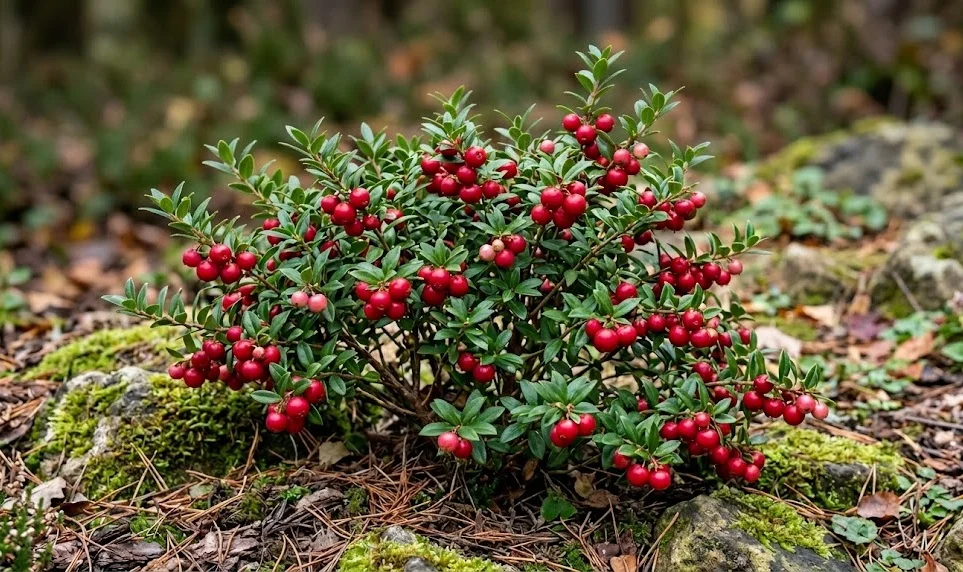

Pruning and cutting back prickly heath is a vital practice for maintaining the structural integrity, health, and aesthetic appeal of this versatile evergreen shrub. While these plants have a naturally tidy and compact growth habit, regular intervention is necessary to prevent them from becoming overly dense, leggy, or unproductive. You should approach pruning as a way to “sculpt” the plant, encouraging it to focus its energy on healthy new growth and the production of its famous berries. A well-pruned shrub not only looks better but is also more resilient to pests and diseases due to improved air circulation.
The best time to perform the majority of your pruning is in the early spring, just before the new growth starts but after the worst of the winter frost has passed. This timing allows the plant to heal its wounds quickly as the sap begins to rise and the growing season commences. You should avoid heavy pruning in the late autumn or winter, as the cold can prevent the cuts from callusing over properly, leaving the plant vulnerable to infection. A light touch in the spring ensures that you don’t accidentally remove the buds that will become the season’s flowers and berries.
When pruning, you should always use high-quality, sharp tools to ensure clean cuts that do not crush the delicate stems of the shrub. Ragged cuts take longer to heal and provide an entry point for fungal spores and other pathogens that can compromise the plant’s health. You should also make it a habit to disinfect your tools with alcohol between plants to prevent the accidental spread of any hidden diseases. This attention to detail is what separates a professional gardener from an amateur and ensures the long-term vitality of your garden collection.
Ultimately, the goal of pruning this species is to maintain its natural form while enhancing its best features, such as its glossy leaves and vibrant fruit. You don’t want the plant to look “sheared” or artificial, but rather like a well-tended version of its wild self. By removing dead, damaged, or crossing branches, you allow light to reach the center of the shrub and keep it green from the inside out. This thoughtful management of the plant’s structure is a rewarding task that keeps your garden looking its best throughout the year.
Techniques for shaping and thinning
Thinning is a specialized pruning technique that involves removing entire branches at their point of origin to reduce the density of the shrub. For a prickly heath, this is particularly important because the foliage can become so thick that it shades out its own interior, leading to a “hollow” look over time. You should identify a few of the oldest or most crowded stems each year and cut them back to the base of the plant. This opens up the structure, allowing fresh air and sunlight to penetrate the heart of the shrub and stimulate new, healthy growth.
More articles on this topic
Heading back, on the other hand, involves cutting individual branches back to a healthy bud to encourage the plant to branch out and become bushier. This is the best technique to use if your shrub is starting to look a bit “leggy” or if you want to keep it at a specific height or width. You should always make your cut at a slight angle, about half a centimeter above an outward-facing bud, to direct the new growth away from the center. This helps maintain an open, airy habit and prevents the branches from becoming a tangled mess.
If you are growing this shrub as a low hedge or a formal ground cover, you might be tempted to use hedge shears for a quick result. However, for the best health and appearance of the plant, hand-pruning with bypass secateurs is much more effective and less damaging to the individual leaves. Shearing often cuts the leaves in half, leaving brown, unsightly edges that take a long time to disappear. By taking a little more time to prune by hand, you preserve the beauty of the glossy, evergreen foliage and achieve a much more natural and professional look.
As you prune, you should regularly step back from the plant to check its overall shape and balance from different angles. It is very easy to get “lost” in the details of individual branches and accidentally remove too much from one side. Aim for a slightly rounded or mounded shape that mimics the plant’s natural growth pattern and fits well within your garden’s design. This “look and cut” method ensures that the final result is a harmonious and healthy addition to your landscape.
Rejuvenating old or neglected shrubs
Sometimes you may inherit a garden with a prickly heath that has been neglected for years, resulting in a large, woody, and unattractive specimen. In such cases, a more aggressive approach known as rejuvenation pruning may be necessary to bring the plant back to its former glory. You can cut the entire shrub back quite hard, removing up to a third of the oldest wood to the ground to stimulate the growth of fresh, vibrant shoots. While the plant may look a bit sparse for a season after such heavy pruning, it will often respond with a burst of healthy new energy.
More articles on this topic
This type of “hard” pruning should be spread over two or three years rather than being done all at once to avoid shocking the plant’s system. In the first year, remove a few of the thickest, most gnarled stems to the ground, and then repeat the process in the following years. This staggered approach ensures that the plant always has some foliage to produce energy while it works on rebuilding its structure. You should also provide extra water and a light application of acidic fertilizer during this recovery period to support the new growth.
When dealing with very old wood, you might find that the plant is slow to produce new buds from the base, but be patient and give it time. The dormant “eyes” in the bark often need a few weeks of warm weather and consistent moisture before they will start to sprout. You should keep the area around the base of the rejuvenated plant clear of weeds and heavily mulched to provide the best possible environment for these new shoots. With a little bit of care and persistence, even a very old and tired shrub can be transformed into a beautiful focal point.
After the new shoots have reached a height of about fifteen to twenty centimeters, you can pinch off their tips to encourage them to branch out and become dense. This early intervention ensures that the “new” version of the plant has a good, sturdy framework from the very beginning. Rejuvenation pruning is a testament to the resilience of this species and its ability to bounce back from years of neglect if given the right support. It is one of the most satisfying tasks for an expert gardener to breathe new life into a struggling plant.
Pruning for berry production and health
Because the berries of the prickly heath are produced on the previous year’s growth, your pruning strategy must be mindful of the flowering cycle. If you prune too heavily in the late spring after the buds have formed, you will significantly reduce the number of flowers and, consequently, the amount of winter fruit. The ideal window for pruning is immediately after the worst of the winter is over but before the plant has fully committed its energy to the spring bloom. This ensures that you are removing only what is necessary while preserving the maximum potential for a colorful autumn display.
Health-focused pruning should be a continuous process throughout the year, where you remove any “dead, damaged, or diseased” wood as soon as you see it. Dead branches are not only unsightly but can also become a breeding ground for pests and fungal pathogens that could spread to the healthy parts of the plant. If you notice a branch that has been broken by wind or snow, make a clean cut below the break to help the plant heal quickly. This “sanitary” pruning is a simple but effective way to keep your shrubs in top condition with minimal effort.
In addition to removing dead wood, you should also look for “suckers” or unwanted shoots that may emerge from the base of the plant or below a graft point if the plant is a grafted variety. These shoots often grow very vigorously and can take energy away from the main part of the shrub, potentially changing its appearance or reducing its fruitfulness. You should cut these suckers off as close to the main stem or root as possible as soon as they appear. Keeping the base of the plant clean and organized is a hallmark of a professional maintenance routine.
Finally, remember that pruning is a conversation between you and the plant, and every cut is a signal for how it should grow in the future. If you want a taller plant, focus on thinning the sides; if you want a wider one, prune the tops to encourage lateral growth. By understanding the biology of the prickly heath and how it responds to the shears, you can guide its development with confidence. A well-managed shrub is a joy to behold and will reward your efforts with a spectacular show of foliage and fruit year after year.