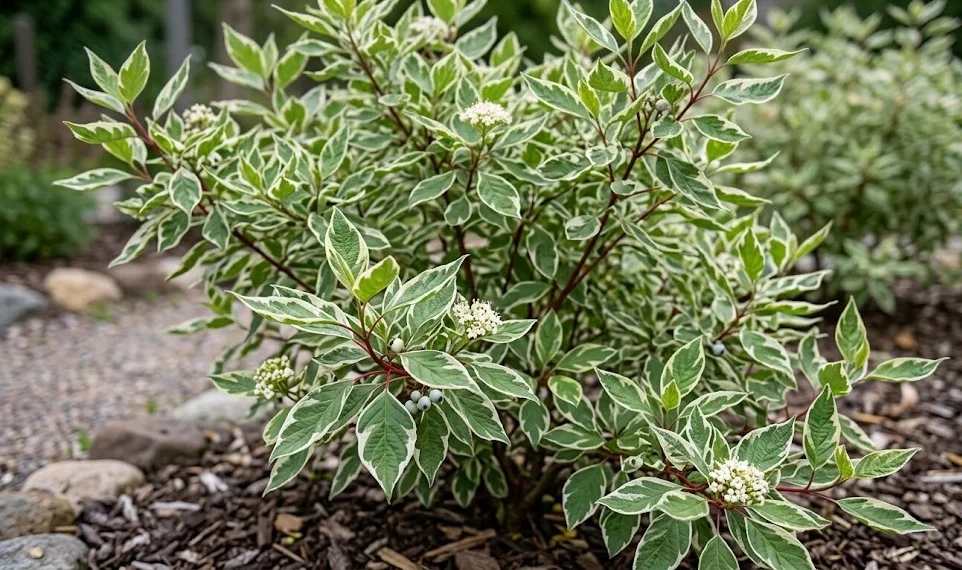

Preparing the variegated dogwood for the winter months is a critical part of its annual maintenance cycle, ensuring that the shrub survives the cold and retains its ornamental value. While this species is known for its hardiness in many temperate climates, the transition from the active growing season to dormancy requires professional attention to detail. The primary goal of overwintering is to protect the root system from extreme temperature fluctuations and prevent the delicate bark from being damaged by environmental stress or wildlife. A well-prepared shrub will not only survive the winter but will also emerge with more vigor in the following spring.
The most celebrated feature of this particular dogwood is its vibrant red stem color, which only becomes visible once the leaves have fallen in the autumn. As a professional gardener, your task is to ensure that these stems remain healthy and unobstructed throughout the winter season. This involves a combination of late-season hydration, soil protection, and structural checks to prevent damage from heavy snow or ice. By managing these factors proactively, you allow the plant’s natural beauty to serve as a focal point in the winter landscape without the risk of significant dieback.
Hydration is often overlooked as a part of winter preparation, yet it is one of the most important factors for the health of woody shrubs. Because the stems continue to lose a small amount of moisture even during dormancy, the plant must have adequate water reserves in its root zone before the ground freezes. This is especially true for younger plants or those in more exposed locations where drying winds are a constant factor. Ensuring deep soil moisture in the late autumn is a foundational step in any professional overwintering strategy for this variety.
Finally, the winter months are an excellent time to observe the plant’s structure and plan for the major rejuvenation pruning that usually takes place in late winter or early spring. Without the distraction of foliage, the architecture of the shrub is clearly visible, allowing you to identify any branches that are crossing or showing signs of previous damage. This chapter will outline the professional steps necessary to guide your variegated dogwood through the coldest part of the year with success and style.
Late season hydration and soil preparation
As the temperatures begin to drop and the variegated dogwood sheds its bi-color leaves, the first professional step in overwintering is ensuring the soil is thoroughly hydrated. Deciduous shrubs like the dogwood are less susceptible to winter desiccation than evergreens, but they still require a moist root zone to survive long periods of frozen ground. If the autumn has been dry, it is essential to provide several deep waterings before the first hard freeze is expected. This water acts as a buffer within the soil and ensures that the plant enters its dormant state in peak condition.
More articles on this topic
Soil preparation also involves a final check of the nutrient status, although active fertilization should have stopped many weeks prior. The focus at this stage is on maintaining a healthy soil structure that will protect the roots from the coming cold. If the soil has become compacted over the summer, a very light loosening of the surface (being careful not to damage the shallow roots) can help water and oxygen penetrate more effectively. This creates a more hospitable environment for the dormant roots and helps prevent the buildup of harmful gases in the soil.
Adding or refreshing the mulch layer is perhaps the most effective professional technique for protecting the variegated dogwood during the winter. A thick layer of organic mulch, such as wood chips or shredded bark, provides excellent insulation against the freeze-thaw cycles that can heave plants out of the ground. It also helps to keep the soil moisture consistent throughout the winter, reducing the stress on the plant during periods of low precipitation. Be sure to pull the mulch back slightly from the main stems to prevent moisture from sitting against the bark, which can lead to rot or provide cover for rodents.
Finally, take the time to remove any fallen leaves or debris from the base of the plant that might be harboring pests or diseases. While some gardeners prefer to leave leaves for wildlife, a professional approach often involves cleaning the immediate root zone to reduce the inoculum of common fungal diseases like leaf spot. This sanitation work in the late autumn pays off significantly in the spring when the new leaves emerge into a cleaner environment. By combining hydration, mulching, and sanitation, you provide the dogwood with a secure and healthy foundation for its winter rest.
Protecting against environmental and wildlife damage
In many regions, winter brings the challenge of heavy snow and ice, which can weigh down the branches of the variegated dogwood and cause them to bend or even snap. While the stems are relatively flexible, a professional gardener should monitor the plants during and after significant storms. If snow accumulates heavily, it can be gently brushed off using an upward motion with a broom or your hand to relieve the pressure. Avoid shaking the branches violently, especially when they are frozen, as this is when the wood is most brittle and prone to breaking.
More articles on this topic
Wildlife, particularly deer and rabbits, can become a major issue for dogwoods during the winter when other food sources are scarce. The young, colorful stems are often quite attractive to these animals, and a single night of browsing can significantly reduce the ornamental value of the shrub. In areas with high wildlife pressure, it may be necessary to install temporary fencing or use professional-grade repellents to protect the stems. Applying these measures early in the winter, before the animals establish a feeding pattern, is the most effective strategy for success.
The drying winds of winter can also cause damage to the stems, a condition known as winter burn or desiccation. While this is more common in evergreen species, the bright red bark of the variegated dogwood can also become dull or shriveled if exposed to constant, harsh winds. If the shrub is planted in a particularly exposed location, a temporary burlap screen can provide the necessary protection without completely enclosing the plant. This professional touch ensures that the stems remain vibrant and healthy until they are ready to be pruned or begin new growth in the spring.
It is also important to consider the impact of de-icing salts used on nearby walkways or driveways, which can be detrimental to the health of the dogwood. Salt runoff can alter the soil chemistry and interfere with the plant’s ability to take up water, leading to symptoms that may not appear until the following spring. If possible, use salt-free alternatives or physical barriers to prevent salty slush from being piled around the base of the shrub. Taking these extra precautions demonstrates a professional commitment to the long-term health and aesthetics of the landscape.
Winter monitoring and early spring preparation
Monitoring the variegated dogwood during the winter is a relatively passive but important task for the professional gardener. It is the best time of year to appreciate the “naked” form of the shrub and the intense color of its stems, which are the main highlights of the winter garden. Periodic walks through the landscape allow you to check for any signs of animal damage, storm breakage, or unusual peeling of the bark. Catching these issues early means they can be addressed during the dormant season before they impact the plant’s spring performance.
The late winter period, just before the ground begins to thaw, is often the busiest time for dogwood maintenance. This is the ideal window for the major pruning tasks that will define the plant’s growth for the coming year. Whether you are performing a full coppicing to the ground or a selective thinning of the oldest stems, doing so while the plant is still dormant minimizes stress and maximizes the spring response. A professional gardener uses this time to carefully evaluate which branches to keep and which to remove to enhance the overall shape and color.
As the days begin to lengthen and the first signs of spring appear, keep an eye on the soil moisture as it thaws. Sometimes the surface can dry out quickly while the ground below is still frozen, creating a temporary water deficit for the plant. If the spring starts off particularly dry, a light watering on a warm day can help the plant transition out of dormancy more smoothly. This is also the time to check the condition of the mulch and decide if a fresh layer will be needed once the soil has fully warmed up.
Finally, preparing your tools for the coming season is a hallmark of professional garden management. Ensuring that your pruners are sharp and sterilized ensures that the first cuts of the year are clean and healthy for the plant. Reviewing the notes from the previous year’s growth can also help you refine your care plan for the upcoming growing season. By using the winter months for both protection and preparation, you ensure that the variegated dogwood remains a vibrant and healthy centerpiece of your professional landscape projects.
Managing the transition to spring
The transition from winter dormancy to spring growth is a delicate time for the variegated dogwood, as it involves a rapid change in metabolic activity. As the buds begin to swell and show the first hints of green, the plant’s demand for water and nutrients will increase significantly. A professional approach involves monitoring the local weather forecasts for any late frosts that could damage the newly emerging foliage. While the shrub is hardy, a sudden drop in temperature after a period of warm weather can be a shock to the tender new growth.
If a late frost is predicted, providing a temporary cover for smaller or more vulnerable shrubs can help prevent leaf burn and preserve the early spring display. It is also a good time to clear away any remaining winter protection, such as burlap screens or temporary fencing, to allow the plant full access to the spring sunlight. Checking the base of the plant for any mulch that may have shifted over the winter and ensuring it is at the correct depth is another small but important task. This ensures the soil remains at a stable temperature as it continues to warm up.
Once the danger of hard frost has passed, the focus shifts toward supporting the rapid development of the new leaves and stems. This is the period when the benefits of your professional winter preparation really become evident in the vigor of the plant. If you performed a heavy pruning in late winter, you will soon see a flush of bright, healthy new shoots rising from the base. Maintaining consistent moisture during this high-energy phase is the best way to ensure the variegation is crisp and the growth is robust.
In conclusion, the successful overwintering of the variegated dogwood is the result of careful planning and proactive management throughout the cold months. From the final waterings of the autumn to the strategic pruning of late winter, each step contributes to the overall success of the shrub. By following these professional guidelines, you ensure that this stunning variety continues to provide beauty in every season. A well-managed dogwood is a long-lived and reliable performer that reflects the skill and dedication of the professional gardener who cares for it.