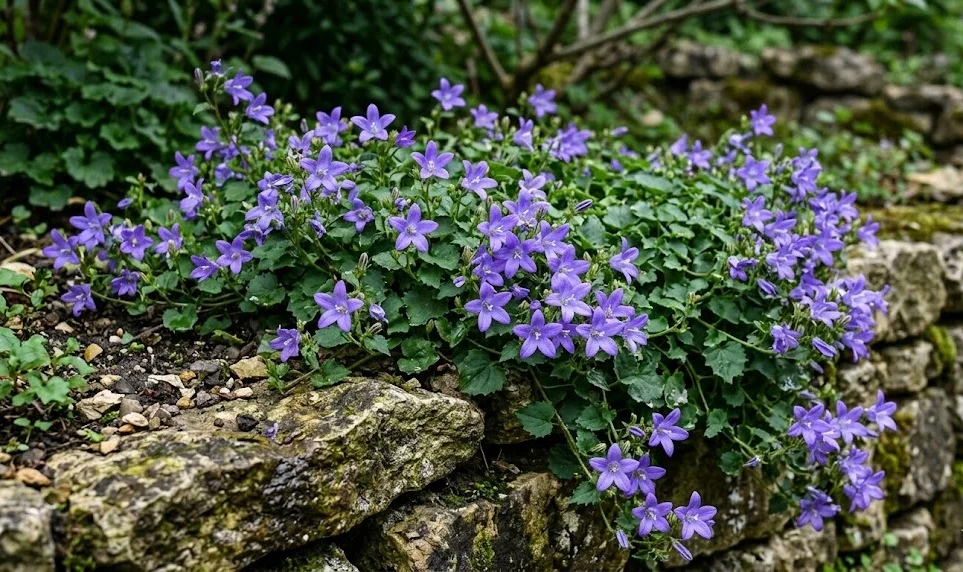

Proper nutrition and hydration are the cornerstones of a professional gardening strategy for this trailing perennial. Because this species often grows in rocky or vertical environments, its water needs and nutrient uptake can differ significantly from standard border plants. Achieving a lush, green mat of foliage and a heavy bloom of purple flowers requires a nuanced approach to soil management. By understanding the cycles of growth and the environmental factors that influence moisture loss, you can ensure your plants remain healthy and vibrant for many years.
Establishing a watering routine
Watering is the most frequent maintenance task you will perform, and it requires a keen eye for the plant’s condition. You should aim to keep the soil consistently moist during the active growing season, especially from late spring through the end of summer. However, it is vital to avoid creating waterlogged conditions, which can quickly lead to root rot and other fungal issues. A professional approach involves checking the soil moisture about two inches below the surface before deciding to add more water.
The timing of your watering can significantly impact the health of the foliage and the efficiency of the plant’s hydration. You should ideally water in the early morning to allow any moisture on the leaves to dry before the sun becomes too intense. This practice reduces the risk of leaf scorch and minimizes the environment where fungal diseases thrive. If you must water in the evening, try to apply the water directly to the base of the plant rather than over the top of the foliage.
During periods of extreme heat or prolonged drought, you may need to increase the frequency of your watering to prevent the plant from wilting. You should watch for the leaves losing their turgidity or looking slightly dull, as these are the first signs of moisture stress. In these situations, a deep, thorough soaking is much better than frequent, shallow waterings. Deep watering encourages the roots to grow further down into the soil, making the plant more resilient to future dry spells.
Container-grown specimens require even more attention because their soil volume is limited and they dry out much faster than ground-planted ones. You should check your pots daily during the summer months and be prepared to water them at least once a day if necessary. Professional gardeners often use self-watering containers or incorporate water-retaining granules into the potting mix to provide a buffer. Regardless of the method, consistency is the key to preventing the “yo-yo” effect of extreme drying and soaking that stresses the plant.
More articles on this topic
Irrigation techniques for success
The method you use to deliver water can be just as important as the amount of water the plant receives. You should consider using a soaker hose or a drip irrigation system if you have a large area of bellflowers acting as ground cover. These systems deliver water slowly and directly to the soil, reducing waste from evaporation and runoff. They also keep the foliage dry, which is a professional standard for preventing many common garden diseases.
If you are watering by hand, use a watering can with a fine “rose” or a hose attachment with a gentle spray setting. You should avoid high-pressure streams that can dislodge the soil from the roots or flatten the delicate trailing stems. Focus the water around the perimeter of the plant’s crown to encourage the root system to expand outward. This technique helps the plant establish a broader foundation and allows it to access more natural nutrients from the surrounding earth.
Mulching the area around your plants is a highly effective way to conserve soil moisture and reduce the need for frequent irrigation. You should apply a layer of organic material, such as bark chips or compost, around the base of the plants in early spring. This layer acts as an insulator, keeping the soil cool and significantly slowing down the rate of evaporation. Professional mulching not only saves water but also improves the overall health of the soil as the organic matter breaks down.
Monitoring the natural rainfall in your area can help you adjust your supplemental watering to avoid over-saturating the ground. You should use a simple rain gauge in the garden to keep track of how much water your plants are receiving from the sky. On average, these perennials need about an inch of water per week, whether from rain or your own irrigation. By balancing these two sources, you can maintain the perfect moisture level without wasting resources or risking the health of the plant.
More articles on this topic
Understanding fertilization needs
While this bellflower is not a heavy feeder, it does benefit from a regular supply of nutrients to support its vigorous growth and flowering. You should start the season with a light application of a balanced, slow-release fertilizer as soon as new growth appears in the spring. This provides a steady stream of nitrogen, phosphorus, and potassium throughout the most active phase of the plant’s lifecycle. A professional understands that over-fertilizing can be just as detrimental as under-feeding, leading to weak, leggy growth.
If you prefer organic methods, top-dressing the soil with a layer of high-quality compost or well-rotted manure is an excellent alternative. You should gently work this organic matter into the top inch of soil around the plant, taking care not to disturb the roots. This method not only provides nutrients but also improves the soil structure and increases its ability to hold both water and air. Organic feeding mimics the natural decomposition processes found in the plant’s native habitat, leading to a more resilient specimen.
During the peak of the blooming season, you might notice the plant could use an extra boost to keep the flowers coming. You can apply a liquid fertilizer with a slightly higher phosphorus content every two to three weeks during the summer. You should always follow the manufacturer’s instructions for dilution to ensure you don’t burn the delicate root tips. This targeted feeding strategy helps the plant maintain its energy levels during the demanding period of floral production.
As the growing season winds down in late summer or early autumn, you should stop all fertilization to allow the plant to prepare for winter. You do not want to encourage fresh, tender growth that could be easily damaged by the first frost. This pause in feeding allows the plant’s tissues to harden and focuses its energy on root development rather than top-growth. A professional feeding schedule is always aligned with the natural rhythm of the plant’s seasonal cycle.
Identifying and correcting nutrient issues
The appearance of the leaves can often tell you exactly what the plant is lacking in terms of nutrition. You should look for yellowing between the veins of the leaves, which is often a sign of iron or magnesium deficiency. If the entire leaf turns a pale yellow, it usually indicates a lack of nitrogen, which is essential for green foliage. Catching these signs early allows you to apply a corrective fertilizer and bring the plant back to full health quickly.
Soil pH also plays a major role in how well the plant can absorb the nutrients you are providing. You should perform a simple soil test if your plants are looking unhealthy despite regular feeding and watering. If the soil is too acidic, some nutrients become “locked” and are unavailable to the root system, no matter how much you add. Adjusting the pH with lime or sulfur is a professional-level task that can dramatically improve the effectiveness of your fertilization program.
Sometimes, a lack of flowers is actually a sign of too much nitrogen rather than a lack of general nutrients. You should be cautious about using lawn fertilizers near your bellflowers, as the high nitrogen content can drift into the garden beds. If you see lush, oversized green leaves but very few purple stars, it is a clear sign to cut back on nitrogen and increase phosphorus. Balancing these elements is the key to achieving the aesthetic goals you have for your garden landscape.
In very sandy soils, nutrients can wash away quickly with every watering or rain shower, leaving the plant hungry. You should consider using more frequent but lighter applications of fertilizer in these conditions to ensure the plant always has what it needs. Alternatively, increasing the organic matter in sandy soil will help it hold onto nutrients for a longer period. Tailoring your fertilization strategy to your specific soil type is a hallmark of an expert gardener who understands local conditions.
Long-term soil management
Maintaining soil fertility over several years requires more than just an occasional handful of fertilizer pellets. You should periodically check the soil for signs of depletion, such as a loss of dark color or a crumbly texture. Every two or three years, it is beneficial to perform a deep renovation by incorporating fresh organic material into the root zone. This long-term view ensures that the “engine” of your garden continues to run smoothly and support healthy plant life.
Crop rotation isn’t possible for perennials like the bellflower, so you must find other ways to prevent soil fatigue. You can do this by using a variety of different organic fertilizers and amendments over time to provide a broad spectrum of trace minerals. Seaweed extracts or compost teas can be used as a “tonic” to introduce beneficial microorganisms and micronutrients to the soil. These professional “extras” contribute to a complex and healthy soil ecosystem that supports superior plant performance.
Be mindful of how the root systems of your bellflowers interact with neighboring plants and their nutritional needs. You should ensure that faster-growing neighbors are not stealing all the available water and fertilizer from your trailing perennials. If necessary, you can use physical barriers in the soil or targeted feeding to make sure each plant gets its fair share. Managing these underground interactions is an advanced skill that helps maintain a balanced and professional-looking garden bed.
Finally, keep a simple garden log of when you water and what fertilizers you have applied throughout the year. You will find that this historical data is incredibly valuable for identifying patterns and improving your care routine next season. If a particular feeding schedule resulted in an extraordinary bloom, you will want to know exactly what you did to replicate that success. Professional horticulture is as much about record-keeping and observation as it is about physical labor in the garden.