
The success of Spanish broom in the garden is more dependent on light than perhaps any other single environmental factor. As a species that evolved on the sun-drenched hillsides of the Mediterranean, it is biologically programmed for maximum exposure to solar radiation. Light provides the energy for the plant’s unique photosynthetic process, which occurs primarily within its green stems rather than traditional leaves. Without sufficient light, the shrub will quickly lose its structural integrity and its ability to produce its iconic yellow flowers.
In a professional landscape, the placement of this plant must be carefully considered to ensure it receives at least six to eight hours of direct sunlight every day. Full sun is not just a preference; it is a requirement for the metabolic health and the physical strength of the branches. Shady conditions lead to a weak, leggy growth habit as the plant stretches toward any available light source. This search for light compromises the dense, upright form that makes the broom such a valuable structural element in garden design.
Human observation of how light moves through the garden across different seasons is a vital part of the planning process. A spot that seems sunny in the height of summer might be cast into deep shade during the spring or autumn by neighboring trees or buildings. Ensuring that the plant has a clear view of the southern sky (in the northern hemisphere) provides the most consistent energy throughout the year. This professional attention to detail prevents the disappointment of a poorly performing or unhealthy specimen.
Direct sunlight also plays a crucial role in managing the moisture levels on the plant’s surface and within the root zone. The heat from the sun helps evaporate excess water from the stems, reducing the risk of fungal infections like powdery mildew. It also keeps the soil warm, which is essential for the activity of the beneficial nitrogen-fixing bacteria in the roots. By meeting the plant’s light requirements, you are supporting a whole host of secondary biological processes that contribute to its overall vigor.
Photosynthesis and the role of green stems
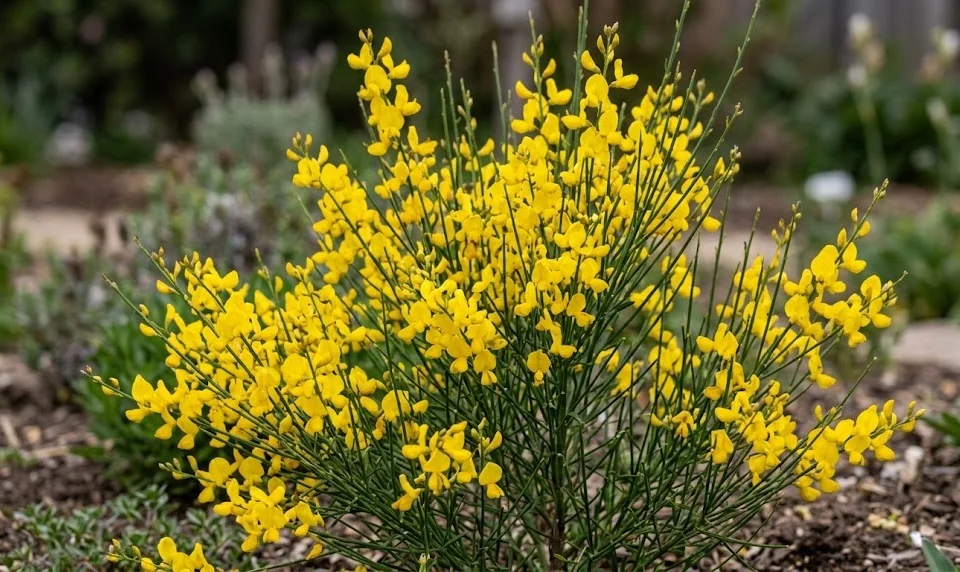
Spanish broom has a fascinating adaptation where its stems have taken over the primary role of photosynthesis from its leaves. This evolutionary strategy allows the plant to continue producing energy while minimizing water loss through transpiration in arid climates. The entire surface of the young branches is packed with chlorophyll, giving them their characteristic vibrant green color. This efficient system requires high-intensity light to penetrate the outer layers of the stem and reach the active cells within.
More articles on this topic
Because the surface area for light absorption is relatively small compared to a leafy shrub, every bit of available sunlight is critical. In lower light levels, the rate of energy production drops significantly, leading to a visible decline in the plant’s growth rate. You may notice that the stems become thinner and more flexible, unable to support the weight of the coming season’s flowers. Maintaining a high light environment is the only way to ensure the plant has enough energy to maintain its dense, woody structure.
The orientation of the stems also plays a role in how effectively they can capture the sun’s rays throughout the day. The upright, vertical habit of the branches allows them to catch the low-angled light of the morning and evening as well as the intense midday sun. This verticality is a natural design that maximizes light exposure across the entire surface of the plant. Pruning should therefore focus on maintaining this open, upright form to ensure that light can reach even the inner parts of the shrub.
In a garden setting, competing for light with more aggressive or taller species can be a major source of stress for the broom. It should be positioned where it will not be overtopped by the canopy of nearby trees or large deciduous shrubs. If the plant is becoming shaded from one side, it will often lean noticeably toward the sun, creating an unbalanced and potentially unstable specimen. Providing a clear, unobstructed space for the shrub is a professional tip that leads to a more aesthetically pleasing result.
Impact of light on flowering and seed production
The spectacular golden floral display for which the Spanish broom is famous is directly linked to the amount of light it receives. The production of flower buds is an energy-intensive process that only occurs when the plant has a surplus of sugars from active photosynthesis. In shaded or partially shaded areas, the number of flowers will be drastically reduced, and the blooms themselves may be smaller and less vibrant. For the best visual impact, the plant must be situated in the brightest part of the garden.
More articles on this topic
Light intensity also influences the timing of the flowering season, with plants in full sun often blooming earlier and for a longer period. The heat associated with direct sunlight helps to trigger the metabolic changes needed to transition from vegetative growth to floral production. A plant that is even slightly shaded may struggle to reach the thermal threshold required for a truly impressive display. Professional gardeners often use this knowledge to place the shrub in a “heat trap” or against a sunny wall to maximize its performance.
After the flowering phase, the development of healthy seeds also requires continued high light levels to ensure the plant has the resources to complete its life cycle. While many gardeners prune away the seed pods, they are a sign of a healthy and well-sited specimen. The plant’s ability to produce viable offspring is the ultimate measure of its success in its environment. Ensuring consistent light throughout the entire growing season supports this natural process from start to finish.
A lack of light can also lead to a condition known as “blind” shoots, where the plant produces green stems but no flower buds at all. This is a common problem in gardens that have become overcrowded over time as neighboring plants have matured. If your once-prolific broom has stopped flowering, a change in light availability is the most likely culprit. Taking steps to restore full sun to the plant, either through pruning neighbors or relocating the shrub, is usually the only effective solution.
Practical placement and microclimate management
When designing a garden with Spanish broom, consider it a priority plant for the most sun-drenched locations available. It is an excellent choice for south-facing slopes, rocky outcrops, or beside heat-reflecting surfaces like stone paths or driveways. These locations provide the intense, direct light and the warm microclimate that the plant enjoys in its native Mediterranean home. Placing the plant where it can bask in the sun for the entire day will result in the most resilient and beautiful specimen.
Urban environments often present challenges with “light canyons” created by tall buildings or narrow garden spaces. In these situations, the plant should be placed in the highest possible position or where it can catch the reflected light from light-colored walls. Every extra hour of sunlight you can provide will pay dividends in the health and appearance of the shrub. A professional landscape designer will use light-meter readings to ensure the plant is placed in an optimal position for long-term success.
During the winter months, the light requirements of the dormant plant are lower, but it still benefits from being in a bright location. The green stems continue to perform a minimal level of photosynthesis even when the temperatures are low, helping to maintain the plant’s internal reserves. A sunny winter spot also helps to dry the plant out after rain or snow, reducing the risk of rot during the cold season. Keeping the plant in the sun is a year-round strategy for maintaining its health.
Finally, consider the role of light in the early life of the plant, especially if you are propagating your own specimens from seed or cuttings. Seedlings and young plants need bright, indirect light to grow strong without being scorched by the intense midday sun. As they mature and develop their protective outer layers, they can be gradually introduced to more direct sunlight. This professional “hardening off” process ensures that the transition to the final, sunny planting site is as smooth as possible.