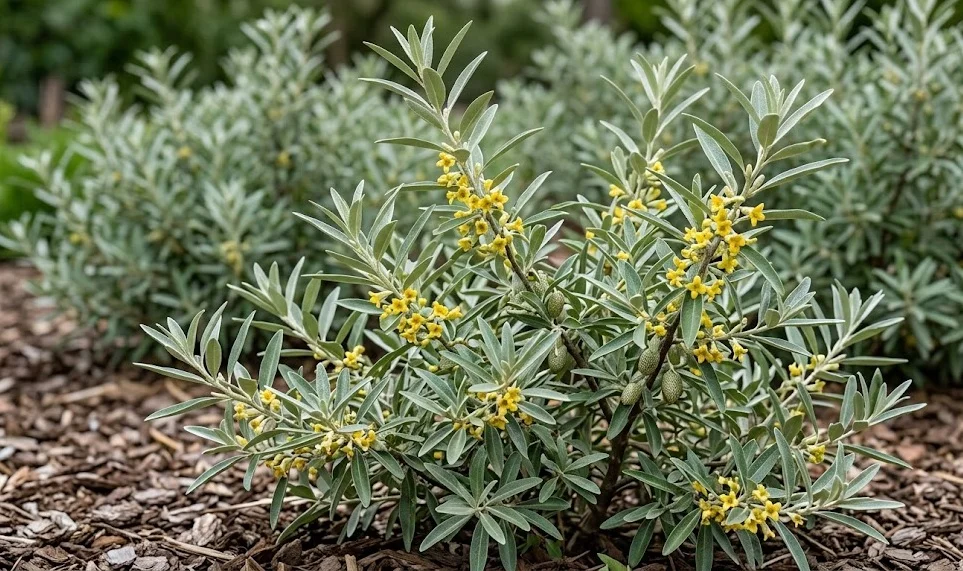

Sunlight is the primary energy source that drives the growth and the stunning visual characteristics of this silver-leaved beauty. Understanding how to manage light exposure is essential for anyone looking to cultivate a professional-quality specimen in their garden. This species is famous for its love of bright, open spaces, but there are nuances to how it interacts with the sun throughout the day. By placing the plant correctly, you can maximize its ornamental value and overall health.
For the best results, you should aim to provide at least six to eight hours of direct sunlight every day. This high level of light is what allows the plant to produce the dense foliage and the characteristic silvery sheen on its leaves. In shaded areas, the plant may become leggy and sparse as it stretches toward the available light, losing its attractive form. Proper light exposure also ensures that the plant produces an abundance of its fragrant flowers and decorative fruit each year.
The reflective quality of the leaves is actually a natural defense mechanism against the intense light of its native arid environments. These tiny silver scales help to cool the leaf surface and reduce the amount of water lost through transpiration. In a professional garden design, you can use this feature to your advantage by placing the plant where it will catch the morning or evening sun. The resulting glow can act as a natural light feature, brightening up the landscape even on overcast days.
If you must plant in a location with less-than-ideal light, try to ensure that it at least receives the strong afternoon sun. While it can tolerate partial shade, the growth rate will be significantly slower and the plant will be less resilient to pests and diseases. You should monitor a shaded plant closely for any signs of stress and be prepared to prune surrounding vegetation to let more light through. Professional management is about recognizing these limitations and adjusting the environment to better suit the plant’s needs.
Impact of light on growth and flowering
Light levels directly influence the internal chemistry of the plant, specifically the production of hormones that trigger flowering and fruiting. A specimen grown in full sun will almost always have a more prolific bloom and a heavier crop of fruit than one in the shade. This is particularly important if you are growing the plant for its ornamental value or to provide food for local wildlife. Consistency in light exposure leads to a more predictable and rewarding annual cycle for the gardener.
More articles on this topic
The structure of the canopy is also shaped by the direction and intensity of the light it receives throughout the growing season. You may notice that the plant grows more vigorously on the side that receives the most sun, leading to a slightly asymmetrical shape over time. Regular rotation, if grown in a container, or thoughtful pruning can help maintain a more balanced and professional appearance. Understanding this natural “phototropism” allows you to guide the plant’s development more effectively.
In very hot climates, the intense midday sun can sometimes be a bit overwhelming even for this sun-loving species. While it is unlikely to suffer permanent damage, providing a bit of light shade during the hottest part of the afternoon can help it stay more vibrant. You can achieve this by planting it near taller, deciduous trees that offer a dappled light effect during the height of summer. This balance ensures the plant gets the energy it needs without the stress of extreme heat.
Light also plays a role in the timing of the plant’s seasonal transitions, such as the emergence of leaves in the spring and the onset of dormancy. The changing length of the days is a signal that tells the plant when it is time to start or stop its metabolic processes. By placing the plant in an open area, you ensure that it can accurately “read” these environmental cues and stay in sync with the seasons. Professional gardening involves working with these natural rhythms to promote long-term health.
Designing with light and texture
From a design perspective, the way light interacts with the silver foliage is one of the plant’s most valuable attributes. You can create stunning visual effects by placing the shrub in front of a dark backdrop, such as a deep green hedge or a dark-colored wall. When the sun hits the leaves, they will appear to shimmer and pop against the darker background, creating a sense of depth and movement. This professional design trick is a simple way to elevate the overall look of your garden.
More articles on this topic
Consider how the shadows cast by the plant’s fine-textured foliage will look on nearby paths or lawn areas. During the early morning and late afternoon, the long shadows can add a layer of interest and complexity to the landscape. The open, somewhat airy structure of the branches allows a certain amount of light to filter through, preventing the area beneath from becoming a dark, lifeless spot. This transparency is a great asset for creating a layered and inviting garden space.
If you are using the plant as a windbreak or hedge, think about how its placement will affect the light levels for the rest of your garden. Because it can grow quite tall, it may cast a significant shadow over smaller perennials or vegetable patches during parts of the day. You should plan your layout carefully to ensure that all your plants receive the appropriate amount of light for their specific needs. A well-designed garden accounts for the movement of the sun throughout the entire year.
Finally, don’t be afraid to experiment with different lighting conditions to see how the plant responds in your specific microclimate. Every garden is unique, and you may find that the plant thrives in a spot you didn’t initially expect. Observation is the most powerful tool in any gardener’s kit, and paying attention to the interplay of light and growth is a key part of the process. Your goal is to find that “sweet spot” where the plant looks its best and feels most at home.