
Protecting your garden from biological threats is a task that requires both preventive measures and active intervention when necessary. You must be able to distinguish between minor cosmetic issues and serious threats that could kill your perennials. A healthy plant is the best defense, as it can naturally resist many of the common pathogens found in the soil and air. Your success in pest management starts with maintaining the overall vigor and health of your garden beds.
Early detection is the most effective way to prevent a small problem from becoming a total disaster for your floral display. You should make it a habit to walk through your garden daily and inspect the leaves, stems, and flowers of your plants. Look for any unusual spots, holes, or wilting that cannot be explained by a lack of water or too much sun. Your quick response to these early warning signs will save you a lot of effort and money in the long run.
Understanding the life cycles of common pests and diseases will help you choose the most effective time and method for treatment. You should learn which insects are beneficial and which ones are harmful so you don’t accidentally kill the good guys. Many issues can be managed using simple, non-toxic methods if they are caught in the beginning stages of development. Your knowledge of the local ecology is a powerful tool in your gardening arsenal.
The use of chemical controls should always be your last resort after you have tried more natural and physical methods of pest management. You must read all product labels carefully and apply them in a way that minimizes the impact on bees and other pollinators. Choosing the least toxic option that is effective for the specific problem you are facing is the mark of a responsible gardener. Your commitment to environmental health will ensure that your garden remains a safe haven for all types of life.
Common fungal infections
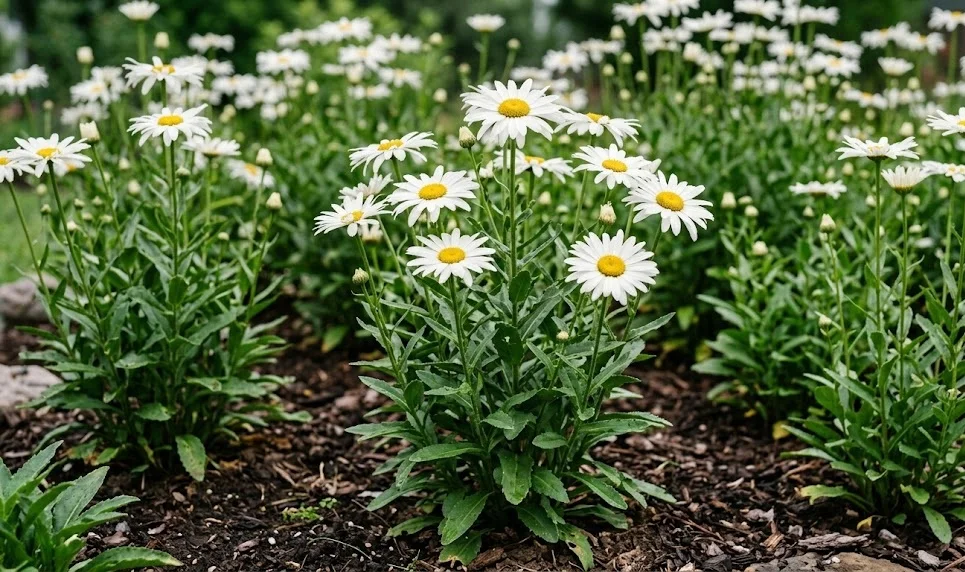
Powdery mildew is one of the most frequent fungal issues you will encounter when growing these white and yellow flowers. You will notice a white, dusty coating on the leaves that can eventually cause them to turn brown and die. This disease thrives in humid conditions where there is poor air circulation between the individual plants in the bed. Your best defense is to provide plenty of space and avoid getting water on the leaves when you are irrigating.
More articles on this topic
Leaf spot is another fungal pathogen that manifests as small, dark circles on the foliage of your perennials. These spots can merge together, eventually killing large sections of the leaf and reducing the plant’s ability to photosynthesize. You should remove any infected leaves immediately and dispose of them in the trash, never in your compost pile. Your proactive sanitation will help prevent the spores from spreading to the rest of the healthy garden.
Root rot is a much more serious fungal condition that usually occurs in soil that is too wet or lacks proper drainage. You will see the plant wilting even when the soil is damp, and the base of the stems may become soft and discolored. Unfortunately, once root rot has taken hold, it is very difficult to save the plant and it should usually be removed and destroyed. Your focus should be on improving the soil structure and drainage to prevent this from happening to your other plants.
Applying a preventive fungicide can be helpful if you live in a particularly damp climate where fungal issues are a constant threat. You should look for organic options like copper-based sprays or even simple baking soda solutions that can be applied to the foliage. These treatments work by creating an environment on the leaf surface that is hostile to the germination of fungal spores. Your regular application of these protectants will keep your daisies looking clean and vibrant even in rainy weather.
Bacterial and viral issues
Bacterial diseases are less common than fungal ones but can be much more devastating and difficult to treat once they appear. You might see sudden wilting of individual stems or slimy, foul-smelling patches on the leaves or the crown of the plant. Since there are few effective chemical treatments for bacteria, your main strategy must be the removal of infected material and strict tool hygiene. Your discipline in cleaning your pruners after every cut will prevent the spread of these invisible killers.
More articles on this topic
Viruses are often spread by sap-sucking insects like aphids or through the use of contaminated gardening tools in the flower bed. You should look for distorted growth, mottled or streaked leaves, and flowers that are strangely shaped or discolored. Unfortunately, there is no cure for viral infections in plants, and the only solution is to dig up the entire plant and destroy it. Your vigilance in controlling insect populations will help reduce the risk of viral outbreaks in your landscape.
Maintaining a clean and weed-free garden is one of the best ways to reduce the reservoirs of bacterial and viral pathogens. You should remove any wild plants that might be harboring these diseases near your cultivated ornamental beds. Many common weeds can act as silent carriers that provide a bridge for diseases to jump onto your prized perennials. Your attention to the peripheral areas of your yard will contribute to the overall health of your main garden.
Starting with certified disease-free plants from a reputable nursery is a fundamental step in preventing long-term problems. You should inspect any new additions to your garden very carefully for signs of stress or unusual growth patterns before you plant them. Quarantining new plants for a few weeks in a separate area can also help you ensure they are healthy before they join your main collection. Your caution in selecting and introducing new specimens will protect the investment you have already made in your garden.
Identifying harmful insects
Aphids are small, soft-bodied insects that congregate on the tender new growth and the underside of the leaves. They suck the sap from the plant, which can lead to stunted growth and the transmission of various viral diseases. You should look for a sticky substance called honeydew on the foliage, which is a clear sign of a significant aphid infestation. Your ability to spot these tiny pests early will make it much easier to control them before they multiply.
Spider mites are nearly invisible to the naked eye but can cause extensive damage during hot and dry periods of the summer. You might notice fine webbing between the leaves and a stippled or bronzed appearance to the foliage as they feed on the cells. Increasing the humidity around your plants with a light misting of water can often discourage these pests from taking up residence. Your monitoring during heatwaves is crucial for identifying and managing these microscopic threats.
Slugs and snails can quickly devour the young leaves and flower buds of your daisies, especially during damp nights or after a rain. You will see large, irregular holes in the foliage and telltale silvery trails across the soil and the stems of the plants. Using physical barriers or organic baits can help protect your plants from these nocturnal visitors without harming other wildlife. Your evening patrols with a flashlight can also be an effective, albeit slow, way to manage their population.
Thrips are another common pest that feeds inside the developing flower buds, causing them to turn brown or open with distorted petals. You can check for these tiny, slender insects by tapping a flower over a white piece of paper and looking for moving specks. While they rarely kill the plant, they can completely ruin the aesthetic quality of your floral display for the entire season. Your understanding of their hiding places will help you target your control efforts more effectively.
Natural pest control methods
Encouraging beneficial insects to live in your garden is the most sustainable way to manage harmful pest populations over the long term. You should plant a variety of flowers that provide nectar and pollen for ladybugs, lacewings, and predatory wasps. These natural allies will work around the clock to eat aphids and other soft-bodied pests that would otherwise damage your plants. Your garden will become a self-regulating ecosystem where you don’t have to intervene nearly as often.
A strong blast of water from a garden hose can be a surprisingly effective way to remove aphids and spider mites from your plants. You should target the underside of the leaves where these pests like to hide and breed in large numbers. This physical removal is often enough to keep their populations at a manageable level without using any chemicals at all. Your regular use of this simple technique will keep your daisies clean and reduce the need for more drastic measures.
Insecticidal soaps and neem oil are excellent organic options for treating more persistent insect problems in the garden. These products work by smothering the insects or disrupting their feeding and reproductive cycles without leaving toxic residues. You should always apply these treatments in the evening when the sun is low to prevent the oil from burning the leaves in the intense heat. Your careful application will protect your plants while minimizing the impact on the broader environment.
Handpicking larger pests like slugs, snails, and caterpillars is a very effective and targeted way to manage their numbers. You should carry a small bucket of soapy water with you and drop any pests you find into it as you move through your garden beds. While this method requires more time and effort, it is the safest way to ensure that only the harmful insects are being removed. Your personal involvement in the care of your plants will give you a much deeper connection to the natural cycles of your garden.
Integrated pest management strategies
Integrated Pest Management, or IPM, is a professional approach that combines several different techniques to manage garden problems effectively. You should start by choosing disease-resistant varieties and providing the best possible growing conditions to keep your plants strong. Healthy plants are naturally more resilient and can survive minor pest attacks without any significant loss of beauty or vigor. Your foundation of good horticultural practices is the most important part of this entire strategy.
The next step in the IPM process is to accurately identify the specific problem before you decide on a course of action. You should use books, websites, or local gardening experts to make sure you know exactly what pest or disease you are dealing with. Treating a fungal issue with an insecticide will do nothing to solve the problem and may actually make things worse by killing beneficial bugs. Your diagnostic skills will ensure that your interventions are always appropriate and effective.
Setting realistic thresholds for damage will help you avoid overreacting to every single hole in a leaf or every solitary insect you find. You should understand that a perfect, bug-free garden is neither natural nor necessary for the health of your perennials. A few nibbled leaves are a small price to pay for a healthy ecosystem that supports a wide diversity of life in your yard. Your goal is to keep the damage below a level where it affects the survival or the overall beauty of the plant.
Evaluating the results of your pest management efforts will help you learn what works best in your unique garden environment. You should keep a record of which methods were successful and which ones failed to produce the desired results. This ongoing learning process will make you a more confident and capable gardener as the years go by. Your dedication to a thoughtful and balanced approach will ensure that your shasta daisies remain a highlight of your landscape for many seasons.