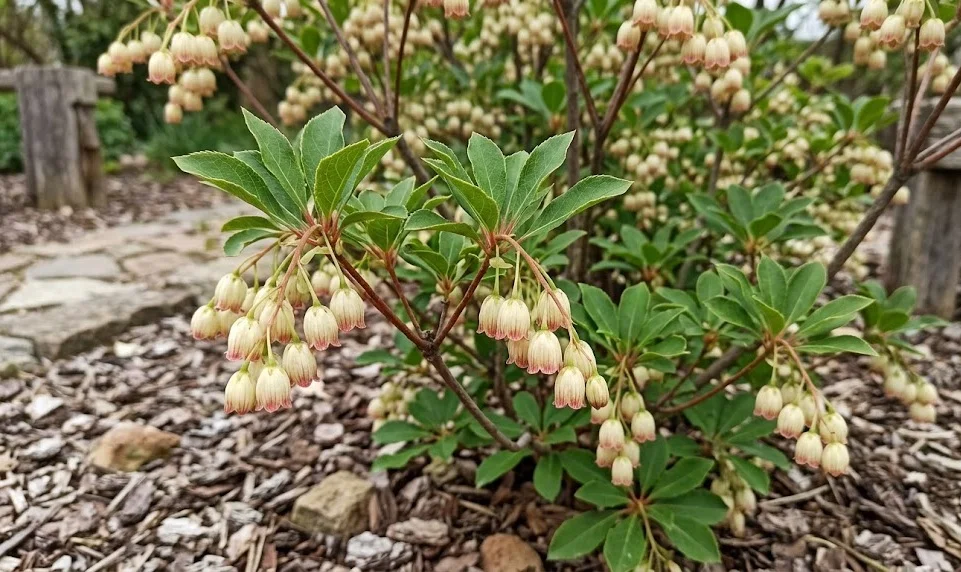

Pruning the redvein enkianthus is a task that should be approached with a “less is more” philosophy to preserve its natural beauty. This shrub is naturally predisposed to growing in a graceful, tiered fashion that requires very little human intervention to look its best. Unlike many other garden shrubs that need regular thinning to stay healthy, this species is best left to develop its own unique character. Professional pruning focuses on enhancing this natural form rather than trying to force the plant into a different shape.
The primary reason to prune this shrub is to remove dead, damaged, or diseased wood that could compromise its health. This “sanitary pruning” can be done at any time of the year as soon as a problem is identified. By removing these compromised branches, you prevent the spread of decay and improve the overall airflow within the canopy. Always use the sharpest possible tools to ensure clean cuts that the plant can heal quickly and efficiently.
Timing is the most critical factor when you decide to do any significant trimming or shaping of the plant. Since this species blooms on the previous year’s wood, pruning at the wrong time can accidentally remove all of the following year’s flower buds. The best window for pruning is immediately after the flowers have finished blooming in the early summer. This gives the plant plenty of time to grow new shoots and set buds before the onset of winter.
Young plants rarely need any pruning at all during their first few years in the garden as they establish their framework. It is better to let them reach their desired size and shape naturally before you start making any corrective cuts. Patience is a virtue when working with this slow-growing shrub, as every cut takes a long time to be replaced by new growth. A gentle hand and a thoughtful approach will always yield the best results for the long-term structure of the plant.
Natural form maintenance
The goal of maintenance pruning is to support the layered, horizontal branching that makes the enkianthus so visually appealing. You should avoid the common mistake of “heading back” the branches, which involves cutting off the tips and causing dense, twiggy regrowth. Instead, use “thinning cuts” that remove an entire branch back to its point of origin or to a larger limb. This technique maintains the open, airy feel of the shrub while controlling its overall height or spread.
More articles on this topic
If you find that two branches are crossing and rubbing against each other, you should choose one to remove. Rubbing branches create wounds in the bark that are prime entry points for pests and fungal diseases. Removing the weaker or more poorly placed branch will prevent future problems and improve the plant’s structural integrity. This kind of selective thinning is all that is usually needed to keep a mature specimen looking its best for many years.
Always take a step back and look at the entire plant from several different angles before making any significant cuts. It is very easy to get caught up in the details and accidentally remove a branch that was essential to the overall balance. Pruning should be a slow and deliberate process, with frequent breaks to assess your progress. Remember that you can always cut more later, but you can never put a branch back once it has been removed.
In some cases, the shrub may produce “suckers” or vigorous vertical shoots from the base of the plant or the main trunk. These shoots grow much faster than the rest of the plant and can ruin its elegant, tiered appearance if left unchecked. You should prune these out as soon as they appear to keep the plant’s energy focused on its primary structure. Removing them early, while they are still soft, is much easier than dealing with them once they have turned into woody stems.
Selective removal and shaping
If a plant has become too large for its space, you can reduce its size gradually over several seasons. Never remove more than about twenty percent of the total canopy in a single year to avoid shocking the system. Focus on removing the oldest, most overgrown branches first to encourage younger, more productive wood to take its place. This rejuvenation process is much safer and more effective than trying to cut the entire plant back at once.
More articles on this topic
Sometimes, the lower branches of an older shrub can become sparse or lose their leaves as the plant grows taller. If you prefer a more “tree-like” appearance, you can deliberately remove these lower limbs to expose the attractive, peeling bark of the main trunk. This “limbing up” technique can turn a large shrub into a sophisticated focal point in the garden. It also creates more space underneath for smaller, shade-loving companion plants like ferns or hostas.
When making a cut, always prune back to a healthy bud that is pointing in the direction you want the new growth to go. For this species, that usually means an outward-facing bud to keep the center of the plant open and airy. Proper placement of your cuts will guide the future development of the shrub and prevent it from becoming too congested. A clean cut at a slight angle just above the bud will shed water and help the wound heal properly.
Discard all pruned material immediately, especially if it shows any signs of disease or pest infestation. Leaving old branches on the ground near the plant is an invitation for trouble and ruins the clean look of your garden. If you are dealing with healthy wood, it can be shredded and used as mulch in another part of the yard. Keeping your workspace tidy is a hallmark of a professional and disciplined approach to gardening maintenance.
Rejuvenation timing and techniques
Old, neglected specimens that have become a tangled mess may require a more drastic rejuvenation pruning. This involves cutting the entire plant back significantly to stimulate a completely new set of branches from the base. While the redvein enkianthus can handle this, it will take several years for it to regain its beauty and start flowering again. This should be considered a last resort for plants that are otherwise healthy but have completely lost their shape.
The best time for this kind of heavy rejuvenation is in late winter or very early spring while the plant is still dormant. At this stage, the plant has all its energy stored in its root system, ready to push out new growth as soon as the weather warms. By cutting it back before the sap starts flowing, you minimize the stress on the plant and get the fastest possible recovery. Be prepared to provide extra water and a light feeding to support the rapid regrowth that follows.
After a heavy pruning, the new shoots will be very soft and vulnerable to damage from late frosts or drying winds. Keep a close eye on the plant and provide protection if the weather turns harsh during the first few months of growth. You may also need to thin out the new shoots if too many emerge at once, as they will compete with each other for space and light. Select the strongest, best-placed stems to become the new framework of the rejuvenated shrub.
Regular, light maintenance is always preferable to having to perform a major rejuvenation every decade. By spending just a few minutes each year checking on your plant, you can catch small issues before they become structural problems. This consistent, gentle care is what allows an enkianthus to reach its full potential and live for many decades. A well-pruned shrub is not just a plant, but a living piece of art that reflects the care and expertise of its gardener.