
The intensity and duration of sunlight are perhaps the most influential environmental factors in the life of any plant. For the Mexican orange blossom, finding the perfect balance of light is essential for both foliage health and flower production. While it is a versatile shrub, it has specific preferences that every professional gardener should understand and respect. This article delves into the nuances of light management for this popular evergreen species.
Photosynthesis is the process by which the plant turns light energy into the fuel it needs to grow and thrive. Without adequate light, the Mexican orange blossom will become leggy, sparse, and fail to produce its fragrant blossoms. Conversely, too much intense sun in a dry environment can lead to leaf scorch and general stress. Achieving the right light levels requires an understanding of your garden’s unique orientation and seasonal changes.
The concept of “full sun” can vary significantly depending on your geographical location and the time of year. In cooler climates, the plant will benefit from as much direct sunlight as possible to provide the warmth it needs. In hotter, Mediterranean-style environments, some protection from the midday sun might be necessary to prevent dehydration. Professional placement takes into account these regional differences to ensure the best possible results for every plant.
Light also influences the timing of the flowering season and the intensity of the floral scent. Plants grown in brighter locations tend to produce more flowers and have a more concentrated aroma than those in the shade. If you want to maximize the sensory impact of your garden, you should prioritize the sunniest spots for your Mexican orange blossoms. A well-lit plant is a productive and beautiful addition to any professional landscape design.
Full sun versus partial shade
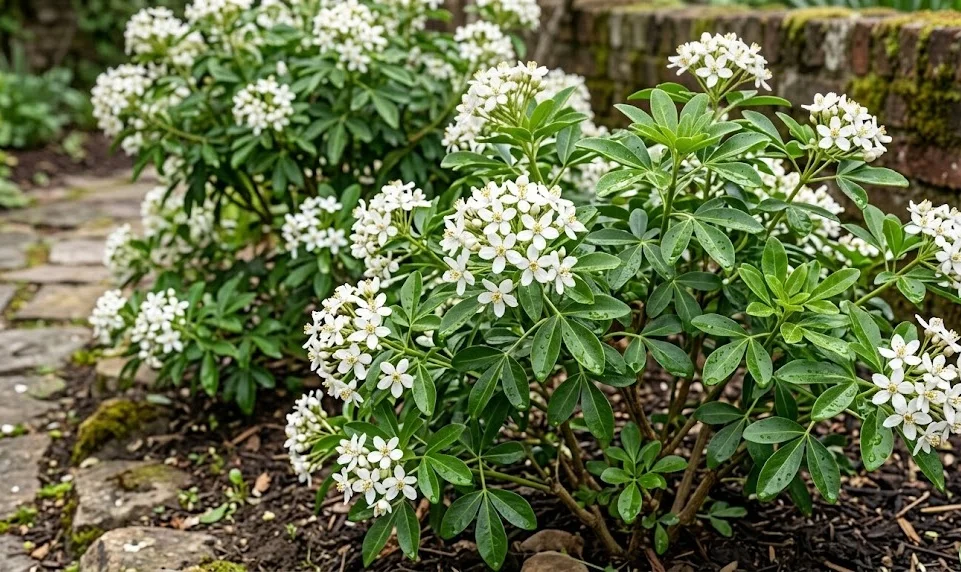
In most temperate gardens, full sun is defined as at least six hours of direct sunlight during the middle of the day. This is the ideal condition for promoting a dense growth habit and a prolific display of white flowers. The heat from the sun also helps the evergreen leaves maintain their characteristic glossy finish and deep green color. If you have a south-facing wall or an open border, this is the perfect home for your shrub.
More articles on this topic
Partial shade is another viable option, especially in regions with very hot summers or intense solar radiation. The plant will still grow well in these conditions, but you may notice that the growth is slightly more open and less compact. You can expect fewer flowers in a shaded location, although the individual blossoms may last a bit longer without the intense heat. Understanding this trade-off is important when planning the layout of your garden beds.
Dappled shade, such as that found under the canopy of large deciduous trees, can also be a suitable environment. This provides a moving pattern of light and shadow that prevents the plant from overheating while still offering enough energy. However, you must ensure that the trees do not compete too much for water and nutrients in the soil. A successful garden often utilizes these varying light levels to create interest and diversity throughout the site.
Deep shade is the only lighting condition that you should actively avoid when planting the Mexican orange blossom. In very dark areas, the plant will struggle to photosynthesize and will eventually become weak and prone to disease. The leaves may lose their shine and the stems will stretch out in a desperate attempt to find more light. If your garden is very shaded, you might consider other evergreen options that are better adapted to low-light levels.
Orientation and site selection
A south-facing orientation provides the maximum amount of light and heat throughout the entire year. This is particularly beneficial for the Mexican orange blossom, as it mimics its original warm-climate habitat. The warmth absorbed by the soil and surrounding structures during the day is released slowly at night, creating a favorable microclimate. Professional designers often use these warm spots for more tender or sun-loving species.
More articles on this topic
West-facing locations receive the intense heat of the afternoon sun, which can be both a benefit and a challenge. While this provides plenty of energy for growth, it can also lead to rapid water loss and potential leaf burn. You should ensure that plants in these spots are well-mulched and receive consistent irrigation to cope with the heat. A west-facing position is often very bright and can produce stunning results if managed correctly.
East-facing spots get the gentle morning sun but are in the shade for much of the afternoon and evening. This can be a good compromise for gardens in very hot climates where the midday sun is too punishing. The cooler afternoon temperatures allow the plant to recover and conserve moisture after the initial morning activity. However, in cooler regions, an east-facing spot might not provide enough total heat for the best flowering performance.
North-facing sites are generally the coolest and darkest parts of the garden, receiving little to no direct sunlight. While some shade-tolerant plants thrive here, the Mexican orange blossom will likely underperform in such a location. It may survive, but it will never reach its full potential in terms of density or floral display. Always try to find a more luminous spot for this shrub to ensure you get the professional results you desire.
Seasonal shifts in light
The angle of the sun changes significantly between the summer and winter months, affecting how much light reaches your plants. A spot that is in full sun during July might be completely shaded by a nearby building or hedge in January. You should observe these shifts throughout the year to understand the long-term light profile of your planting site. This knowledge is essential for professional garden planning and long-term plant health.
Deciduous trees in the surrounding landscape also play a role in the seasonal light levels of your garden. In the winter, the loss of leaves allows more light to reach the evergreen shrubs growing beneath them. This can be a vital source of energy during the dormant months when every bit of sunlight counts. In the summer, the same trees provide cooling shade and protection from the most intense solar radiation.
Cloudy weather and environmental pollutants can also reduce the amount of light available to your garden plants. While you cannot control the weather, you can ensure that your plants are not further shaded by overgrown neighbors. Regular pruning of surrounding vegetation will help maintain the light levels your Mexican orange blossom needs. A professional gardener is always thinking about the light balance across the entire landscape.
Reflective surfaces like white walls, glass, or water can increase the amount of light in a specific area. You can use these features to your advantage to brighten up a darker corner or provide extra heat for a sun-loving plant. However, be careful with reflective glass, as it can sometimes focus the sun’s rays and cause localized burning on the leaves. Using the environment to manage light is a sophisticated technique in professional horticulture.