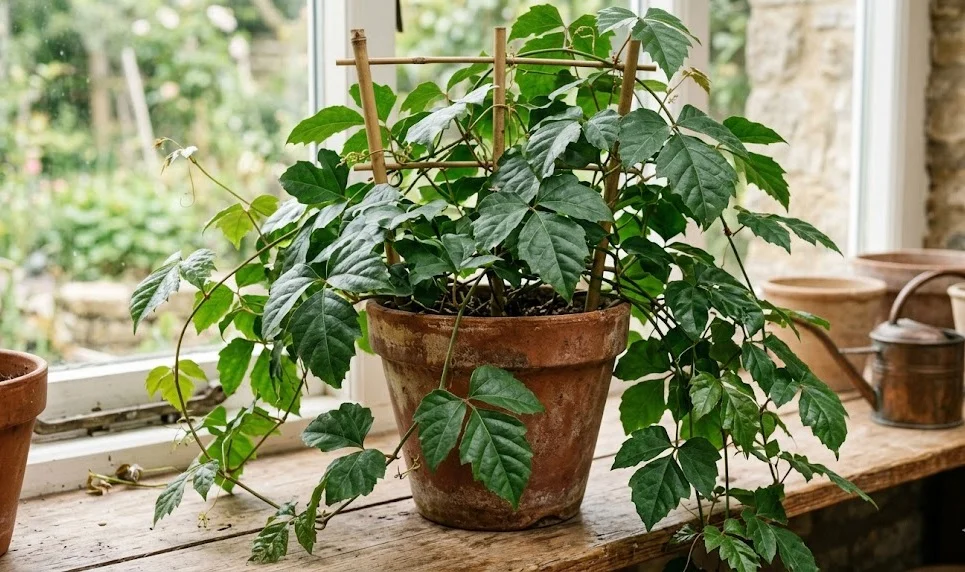

Preparing your climbing vine for the winter months involves a shift in care tactics to accommodate the shorter days and cooler indoor temperatures. While these plants do not undergo a true dormancy like temperate species, they do experience a significant slowdown in their physiological processes. The primary objective during this period is to maintain the health of existing foliage rather than encouraging new growth that may be weak and leggy. Successful overwintering ensures that the plant remains resilient and ready to burst into growth once the spring arrives.
As the natural light levels decrease in late autumn, you should move your plant to the brightest possible location in your home, such as a south-facing window. The reduction in sunlight can lead to leaf drop if the plant is forced to survive in a dark corner during the winter. Be careful, however, to keep the foliage from touching cold window panes, as the extreme temperature difference can cause localized frost damage. Providing even a small amount of supplemental light from a grow lamp can make a significant difference in maintaining leaf density.
Controlling the temperature is another essential component of a successful winter care strategy for tropical indoor plants. These climbers prefer temperatures to remain above 60 degrees Fahrenheit and can suffer if exposed to cold drafts from doors or windows. At the same time, the dry heat produced by radiators and furnaces can be equally damaging to the leaves. Finding a stable location that is away from both cold air currents and direct heat sources will provide the most consistent environment for the vine.
Humidity management becomes even more critical during the winter when indoor heating systems significantly dry out the air. You should continue to use humidity trays or a small humidifier to keep the moisture levels within an acceptable range for the plant. Misting the leaves can provide a temporary boost in humidity, but it is less effective than other methods and should be done early in the day. Keeping the plant in a room like a bathroom or kitchen can also help, as these areas naturally tend to have higher moisture levels.
Finally, resist the urge to repot or prune heavily during the winter months when the plant’s recovery time is much slower. Any major changes to the plant’s structure or environment should be postponed until the longer days of spring return. You might notice some minor leaf loss, which is often a normal response to the seasonal change and not necessarily a cause for alarm. By keeping a watchful eye on moisture and light, you can guide your grape ivy through the winter with its lush green beauty intact.