
Maintaining a healthy garden environment involves more than just planting a few seeds and hoping for the best. You must take the time to observe how your plants interact with their specific surroundings throughout the seasons. The Mexican orange blossom is an excellent choice for those seeking a balance of aesthetic beauty and relative ease of maintenance. By following these professional guidelines, you will create a foundation for a stunning and aromatic garden display.
Careful observation of the leaves can tell you a lot about the current state of the shrub’s health. If you notice a change in color or texture, it is often a sign that environmental factors need adjusting. Regular monitoring allows you to catch potential issues before they become significant problems for the entire plant. A proactive approach is always better than trying to fix a dying specimen later in the year.
The root system of this evergreen shrub is quite sensitive to drastic changes in the soil moisture levels. You should aim for a consistent environment that allows the roots to breathe while still accessing necessary hydration. Compacted soil can lead to oxygen deprivation, which eventually stunts the growth of the foliage. Healthy roots are the literal foundation of a lush and flowering Mexican orange blossom.
Air circulation is another critical factor that many gardeners overlook when planning their garden layout. Without proper airflow, the plant becomes more susceptible to various fungal infections that can damage the leaves. Space your plants appropriately to ensure that the breeze can move freely through the branches. This simple step can significantly reduce the need for chemical interventions during the warmer months.
Optimal soil conditions
Providing the right soil structure is the most important step in ensuring the long-term success of your shrub. This plant prefers fertile, well-drained soil that is rich in organic matter to support its dense growth. You should avoid heavy clay that retains too much water, especially during the rainy autumn months. Adding a bit of compost or well-rotted manure can significantly improve the nutrient profile of your garden bed.
More articles on this topic
The acidity of the soil also plays a vital role in how the plant absorbs essential minerals. A neutral to slightly acidic pH range is generally considered the sweet spot for this particular species. If your soil is too alkaline, you might notice the leaves turning yellow between the veins. You can apply specialized fertilizers or soil conditioners to adjust the pH level to a more suitable range.
Drainage remains a non-negotiable requirement for the Mexican orange blossom to thrive and avoid root rot. If you live in an area with poor natural drainage, consider planting the shrub in a raised bed. This elevation allows excess water to move away from the delicate root zone more effectively. Incorporating grit or coarse sand into the planting hole can also help facilitate better water movement.
Nutrient depletion can occur over time as the plant matures and expands its root network. Regularly replenishing the organic content of the soil ensures that the shrub has access to nitrogen, phosphorus, and potassium. A layer of organic mulch can serve a dual purpose by suppressing weeds and breaking down into nutrients. Consistently healthy soil results in more vibrant blooms and a stronger resistance to environmental stressors.
Positioning for growth
Choosing the right location in your garden is a decision that will impact the shrub’s health for years. You should seek a spot that offers protection from harsh, drying winds that can damage the foliage. A south-facing or west-facing wall often provides the perfect microclimate for this aromatic plant. Proper positioning ensures that the shrub receives enough heat to produce its characteristic citrus-scented flowers.
More articles on this topic
Space management is essential when you are integrating this shrub into an existing border or hedge. It can grow quite wide, so you must give it enough room to expand without crowding neighboring plants. Crowding leads to competition for resources and can diminish the overall aesthetic appeal of the garden. Plan for the eventual mature size of the shrub rather than its size at the time of purchase.
The proximity to other plants can also influence the moisture levels and nutrient availability in the immediate area. Avoid planting it directly under large trees that might steal too much water and light. Instead, pair it with smaller perennials or ground covers that complement its glossy green leaves. This creates a balanced ecosystem where every plant has the opportunity to reach its full potential.
Urban environments often present unique challenges such as heat islands and restricted root space. If you are planting in a city garden, ensure that there is enough soil volume for the roots to develop properly. Paved surfaces can radiate intense heat, which might stress the plant if it is not adequately hydrated. Proper placement away from reflective glass or concrete walls can prevent leaf scorch during the peak of summer.
Managing foliage health
Glossy evergreen leaves are one of the primary reasons gardeners choose this plant for their landscape. To maintain this shine, you should keep the foliage free from dust and environmental pollutants. Occasional rinsing with a gentle spray of water can help keep the leaves clean and functioning efficiently. Healthy leaves are better at photosynthesizing, which directly translates to a more vigorous growth habit.
Monitoring for signs of chlorosis is a routine task that every professional gardener should perform. When the leaves start to lose their deep green color, it often indicates a deficiency in iron or magnesium. Addressing these nutritional gaps early can prevent the shrub from becoming weak and unsightly. Foliar sprays can provide a quick boost, but long-term soil health is the more sustainable solution.
Dense foliage can sometimes hide internal issues such as dead wood or pest infestations. You should periodically inspect the inner branches to ensure that the wood remains healthy and productive. Removing thin or crossing branches allows more light to reach the center of the plant. This structural maintenance keeps the entire shrub looking full and prevents the lower branches from becoming sparse.
Environmental stress can cause the plant to drop its leaves prematurely, especially during extreme weather events. If you notice significant leaf fall, investigate whether the plant is getting too much or too little water. Sudden shifts in temperature can also shock the system, leading to a temporary decline in foliage density. Consistency in care is the best way to prevent these dramatic reactions from occurring.
Aromatic properties and placement
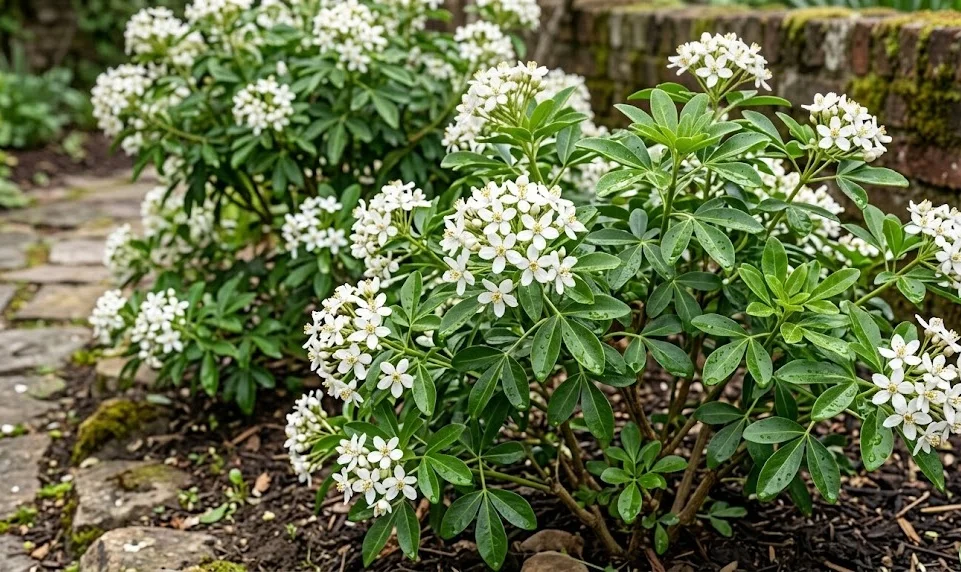
The intoxicating scent of the flowers is a hallmark of the Mexican orange blossom experience. To maximize this benefit, you should plant the shrub near windows, doorways, or frequently used seating areas. The fragrance is most intense on warm spring evenings when the white blossoms are in full bloom. Strategic placement allows you to enjoy the aromatic qualities of the plant without leaving your home.
Bees and other pollinators are naturally drawn to the rich nectar provided by the white flowers. By planting this shrub, you are actively supporting the local ecosystem and promoting biodiversity in your garden. Watching the activity around the plant can be a rewarding experience for any nature lover. It serves as a living centerpiece that bridges the gap between ornamental gardening and ecological conservation.
The timing of the flowering season can vary slightly depending on the local climate and weather patterns. Generally, you can expect the first major flush of flowers in late spring or early summer. Some varieties may even produce a second, smaller bloom in the autumn if the conditions are favorable. Understanding these cycles helps you plan your garden’s seasonal highlights more effectively.
Even when the flowers are not present, the leaves themselves release a pleasant citrus scent when crushed. This makes the shrub an excellent choice for sensory gardens or areas where people interact with the plants. You can lightly brush against the foliage to release the aroma as you walk through your garden path. It adds a multi-dimensional layer to the gardening experience that goes beyond simple visual appeal.
Seasonal considerations
Spring is the time for growth and renewal, making it a busy period for garden maintenance. As the temperatures rise, the Mexican orange blossom begins to push out new shoots and flower buds. This is the ideal window to apply a balanced fertilizer to support the upcoming flowering stage. Ensure that the soil remains moist as the plant prepares for its most energy-intensive part of the year.
Summer brings the challenge of high temperatures and potential drought conditions for many garden plants. You must be diligent with your watering schedule to prevent the shrub from wilting under the intense sun. Applying a fresh layer of mulch in early summer can help retain soil moisture and keep the roots cool. If the heat becomes extreme, providing temporary shade can prevent the delicate leaves from burning.
Autumn is a period of transition where the plant begins to slow down its metabolic processes. It is a good time to clear away any fallen leaves or debris that might harbor pests over the winter. Avoid heavy pruning at this stage, as new growth triggered by cutting may not harden off before the frost. Instead, focus on ensuring the plant is well-hydrated before the ground freezes for the season.
Winter care is primarily about protection from the elements and ensuring the plant survives the cold. While the shrub is relatively hardy, extreme frost can damage the tips of the branches and the evergreen leaves. You might consider using a fleece cover during particularly harsh cold snaps to provide an extra layer of warmth. Monitoring the moisture level of the soil is still important, as evergreen plants can suffer from winter desiccation.
Long-term maintenance
As the Mexican orange blossom ages, it may require more structural intervention to maintain its shape. Regular thinning of the older branches encourages the growth of fresh, productive wood from the base. This rejuvenation process ensures that the shrub remains dense and does not become leggy over time. A well-maintained specimen can live for decades, providing a permanent structure in your garden design.
The health of the surrounding ecosystem also influences the long-term vitality of your individual plants. Avoiding the overuse of harsh chemicals helps maintain a balance of beneficial insects that control common pests. Natural predators like ladybugs and lacewings are your best allies in keeping the shrub healthy. Integrated pest management is the most professional and sustainable approach to long-term garden care.
Records of your maintenance activities can be incredibly helpful for tracking the progress of your plants. Noting when you fertilized, pruned, or noticed a specific issue helps you identify patterns over the years. This historical data allows you to refine your care techniques based on what works best for your specific site. Knowledge is the most powerful tool any gardener has at their disposal for achieving consistent results.
Ultimately, the beauty of a garden comes from the dedication and passion you put into every task. Caring for a Mexican orange blossom is a journey that rewards you with incredible scents and stunning visuals. Whether you are a seasoned professional or an enthusiastic amateur, these principles will guide you toward success. Enjoy the process of watching your garden grow and evolve through the years.