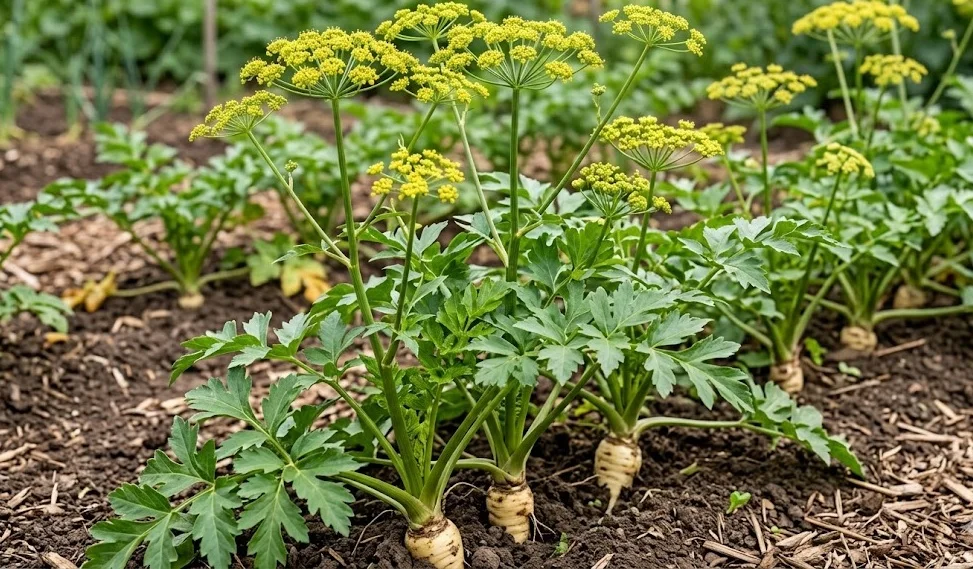

Proper hydration and nutrient management are the two most influential factors in determining the flavor, texture, and size of a parsnip crop. Because these vegetables have such a long growing season, they require a sustained and balanced supply of both water and minerals to thrive. You must develop a watering schedule that keeps the soil consistently moist without ever allowing it to become waterlogged or completely dry. Professional growers know that the secret to the perfect parsnip lies in the stability of the underground environment throughout the year.
The physiology of the parsnip root is designed to seek out moisture deep within the soil profile as the plant matures. You should encourage this deep rooting by using long, slow watering sessions rather than frequent shallow sprinkles that only wet the surface. Deep watering encourages the taproot to descend further into the earth, resulting in longer and more impressive vegetables at harvest time. If the upper layers of the soil dry out, the plant may experience stress that leads to a woody core and a reduction in total sugar content.
Fertilization must be approached with caution, as parsnips are sensitive to high levels of nitrogen, which can cause unwanted side effects. You should avoid applying fresh manure or high-nitrogen fertilizers directly to the parsnip beds, as this often leads to “forking” or excessive hairiness of the roots. Instead, focus on using well-rotted organic matter or balanced slow-release nutrients that have been incorporated into the soil months before planting. A professional agriculturist understands that the best fertilizer for root crops is one that supports steady, even growth rather than rapid leafy expansion.
Monitoring the soil’s moisture and nutrient levels is an ongoing task that requires both observation and the use of technical tools. You can use a simple finger test to check the dampness of the soil a few centimeters below the surface, or invest in a digital moisture meter for more accuracy. Similarly, regular soil testing provides a clear picture of the available minerals and helps you tailor your fertilization plan to the specific needs of the crop. By being proactive with your watering and feeding, you can prevent most of the physiological problems that plague less-experienced gardeners.
Hydration needs and timing
The amount of water a parsnip plant requires changes significantly as it moves from a tiny seedling to a massive, energy-storing root. You should pay the most attention to watering during the initial germination phase and the late summer when the roots are expanding rapidly. During periods of active growth, parsnips typically need at least two to three centimeters of water per week to maintain their metabolic processes. Consistency is the most important rule; erratic watering can lead to the roots splitting or developing an unpleasant, tough texture.
More articles on this topic
Morning is the professional’s preferred time for irrigation because it allows the foliage to dry out before the sun reaches its peak intensity. You should avoid watering late in the evening, as damp leaves overnight can encourage the development of fungal diseases like powdery mildew. If you use a drip irrigation system, the timing is less critical since the water is delivered directly to the root zone without wetting the leaves. Providing water early in the day also ensures the plant has a full reservoir of moisture to deal with the heat of the afternoon.
The texture of your soil will dictate how often you need to apply water to keep your agricultural magazine’s crops healthy. You will find that sandy soils drain quickly and may require more frequent watering than heavy clay soils that hold onto moisture for long periods. It is essential to adjust your schedule based on the actual conditions of your garden plot rather than following a rigid calendar. A professional grower always adapts to the environment, ensuring that the roots are never sitting in stagnant water or struggling in parched earth.
In the final weeks before the harvest, you can gradually reduce the amount of water provided to the parsnip plants. You should allow the soil to become slightly drier as the weather cools, as this can help concentrate the sugars within the root and improve the flavor. However, do not let the soil become bone-dry, as this can make the roots difficult to harvest without breaking them in the hard ground. This final adjustment in hydration is a nuanced part of the cultivation process that separates experts from beginners.
Efficient irrigation systems
Choosing the right method for delivering water can save you a significant amount of time and resources while improving the health of your plants. You should consider installing a drip irrigation or soaker hose system, which delivers water slowly and directly to the soil surface. This method minimizes evaporation and ensures that the water reaches the deep root zone where the parsnips need it most. Using an automated timer with your irrigation system can help maintain a perfect schedule even when you are unable to tend to the garden personally.
More articles on this topic
Mulching is a professional technique that works in tandem with your irrigation system to preserve soil moisture and regulate temperature. You can apply a layer of organic material like straw, leaves, or shredded bark over the soil around your parsnip plants. This protective layer blocks the sun’s rays, significantly reducing the rate of evaporation from the soil surface and keeping the roots cool. Mulching also prevents the soil from splashing onto the leaves during watering, which reduces the risk of soil-borne diseases infecting the crop.
Rainwater harvesting is an environmentally friendly and professional way to source high-quality water for your agricultural projects. You can collect water from the roof of your shed or greenhouse using gutters and storage barrels for use during dry spells. Rainwater is often better for plants than treated tap water because it is free of chlorine and has a slightly acidic pH that parsnips prefer. Using a pump or gravity-fed system to distribute this collected water makes the process efficient and sustainable for the long-term health of the garden.
The layout of your irrigation system should be designed to provide uniform coverage across the entire planting area to avoid dry spots. You should check your hoses and emitters regularly to ensure they are not clogged with mineral deposits or debris from the soil. A well-maintained system ensures that every parsnip in the row receives the same amount of hydration, leading to a more consistent and professional harvest. Investing in high-quality irrigation components is a wise decision that pays off in the form of healthier plants and higher yields.
Nutrient requirements and balance
Parsnips have specific mineral requirements that must be met to ensure they develop their signature sweetness and smooth skin. You should focus on providing adequate levels of potassium and phosphorus, which are essential for root development and sugar synthesis. Phosphorus helps the plant build a strong cellular structure, while potassium regulates water movement and improves the plant’s overall resistance to stress. A professional fertilization plan always prioritizes these two elements over nitrogen when growing root vegetables for the magazin’s readers.
Micronutrients like boron and manganese also play a vital role in the health of the parsnip plant, even though they are needed in small quantities. You should be aware that a deficiency in boron can cause “canker-like” symptoms or internal browning of the root, which ruins the quality of the vegetable. If your soil test indicates a lack of these minerals, you can apply a specialized micronutrient spray or soil amendment to correct the balance. Professional growers often use seaweed extracts as a natural way to provide a wide range of essential trace minerals to their crops.
The timing of your nutrient applications is just as important as the type of fertilizer you choose to use during the season. You should ideally incorporate slow-release organic amendments into the soil several weeks before sowing the seeds in the spring. This gives the soil biology time to break down the nutrients and make them available to the young plants as they begin to grow. A mid-season boost of liquid seaweed or compost tea can also be beneficial if you notice the plants are starting to look tired or nutrient-deficient.
Avoid over-fertilizing your parsnips, as an excess of nutrients can be just as damaging as a deficiency for these sensitive plants. You might find that too much fertilizer leads to rapid, weak growth that is more susceptible to pests and diseases throughout the year. The goal is to provide a steady, moderate supply of energy that allows the plant to grow at its natural pace. A professional approach to feeding involves observation and restraint, ensuring the plant has exactly what it needs and nothing more.
Organic amendments and soil life
Building healthy soil biology is the best way to ensure long-term success with parsnips and other root crops in your garden. You should focus on adding high-quality compost or well-rotted leaf mold to your beds to improve the structure and fertility of the earth. These organic amendments provide a food source for beneficial bacteria and fungi that help the plant access nutrients and fight off pathogens. A living soil is much more resilient and productive than one that relies solely on synthetic chemical fertilizers.
Green manures are another professional tool used to improve soil health and provide nutrients for future parsnip crops in the rotation. You can plant a cover crop like clover or rye in the autumn and dig it into the soil in the early spring before planting your parsnips. This process adds organic matter and nitrogen to the soil in a natural, slow-release form that is safe for root vegetables. Using green manures also helps to prevent soil erosion and nutrient leaching during the rainy winter months when the beds are empty.
Compost tea is a liquid fertilizer that is rich in beneficial microorganisms and can be used to boost the health of your parsnips mid-season. You can make this by steeping high-quality compost in water and then applying the strained liquid to the soil around the base of the plants. This treatment not only provides a gentle dose of nutrients but also inoculates the soil with helpful microbes that protect the roots. It is a professional and organic way to maintain the vitality of your crop without using harsh synthetic chemicals.
The presence of earthworms and other soil organisms is a positive sign that your fertilization and maintenance strategies are working effectively. You should avoid using heavy pesticides or chemical fertilizers that can harm these essential members of the soil ecosystem. Earthworms help to aerate the soil and move nutrients deeper into the root zone, which is exactly where parsnips need them to be. A professional grower views the soil as a complex living system and works to support all the organisms that contribute to a healthy and productive garden.
Signs of nutritional imbalance
Learning to read the leaves of your parsnip plants is a professional skill that helps you identify and correct nutrient problems early. You should watch for yellowing between the leaf veins, which can indicate a deficiency in magnesium or iron in the soil. Stunted growth and purplish leaves are often a sign that the plant is struggling to access enough phosphorus, especially in cold or wet conditions. By identifying these visual cues, you can take targeted action to provide the missing nutrients and get the crop back on track.
The texture and color of the parsnip skin can also provide clues about the nutritional status of the plant during its development. You should look for a smooth, creamy-white skin that is free of dark patches or scaly growths that might indicate a mineral imbalance. Excess nitrogen can lead to a rough, hairy skin and a tendency for the root to fork as it grows through the soil. A professional agriculturist uses these physical indicators to refine their fertilization techniques for the following year’s crop in the magazin’s research plots.
Internal problems, such as a hollow core or brown streaks, are often the result of erratic watering combined with nutrient deficiencies like boron. You should cut open a few sample roots throughout the season to check for these issues before they affect the entire harvest. If you find problems, you can adjust your irrigation and fertilization plan immediately to protect the remaining plants in the bed. This proactive monitoring is a key part of professional crop management that ensures a high-quality final product.
Finally, you should keep detailed records of your watering and fertilizing activities to help you understand the relationship between your actions and the results. You can note the weather conditions, the amount of water applied, and any fertilizers used throughout the long growing season. This data is invaluable for troubleshooting problems and improving your professional gardening skills over time. By combining scientific observation with practical experience, you can master the art of watering and fertilizing parsnips for a perfect harvest every year.