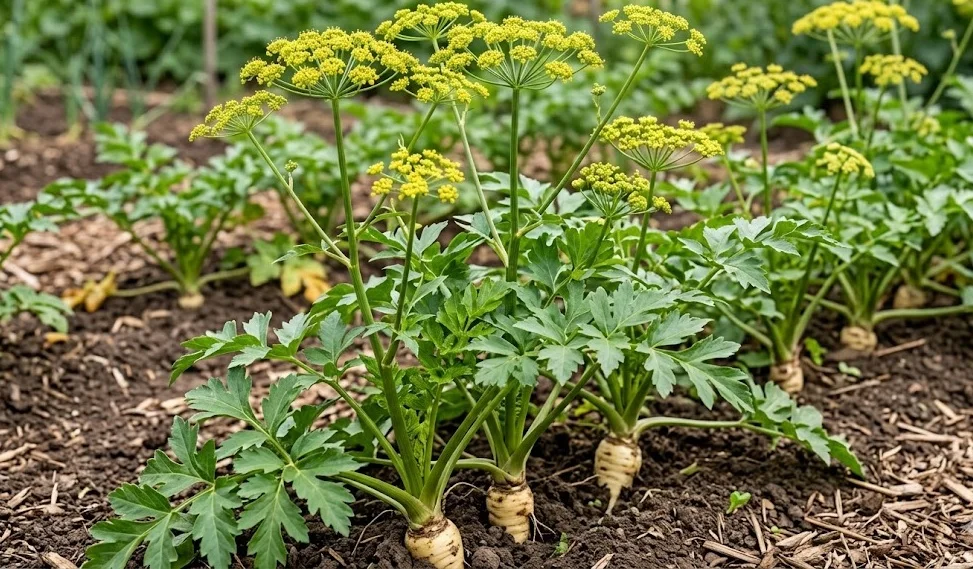

Maintaining a successful parsnip crop requires a deep understanding of the plant’s unique biological needs and developmental cycles. These root vegetables are known for their long growing season, which means consistency in care is the primary factor in determining the final quality of the harvest. You should focus on creating a stable environment where the roots can expand without physical obstruction or nutrient stress. Professional growers emphasize that the attention given during the mid-summer months often defines the sweetness and texture of the roots in winter.
The structural integrity of the soil is perhaps the most significant physical factor when caring for these specific vegetables throughout the year. You must ensure that the earth remains friable and loose to allow the taproot to descend deep into the substrate without forking or hitting resistance. If the soil becomes compacted due to heavy rain or foot traffic, the quality of the parsnips will decrease significantly and lead to deformed shapes. Regular shallow cultivation can help keep the surface breathable while preventing the formation of a hard crust that inhibits water penetration.
Managing the foliage is equally important because the health of the leaves directly correlates with the energy stored in the underlying root system. You should monitor the green tops for any signs of discoloration or flagging, which might indicate underlying issues with moisture or nutrient uptake. Healthy leaves should be vibrant and strong, providing the necessary photosynthetic capacity to produce the sugars that characterize a high-quality parsnip. Avoid walking too close to the rows to prevent damaging the brittle leaf stalks, as any injury to the foliage can invite opportunistic pathogens.
Environmental stability is the final pillar of general maintenance for this crop, as sudden changes in conditions can cause physiological stress. You need to keep a close eye on weather patterns and adjust your maintenance routine to compensate for extreme heat or unexpected dry spells. Providing a consistent growing environment helps the plant maintain a steady growth rate, which is essential for preventing the core of the root from becoming woody. By observing the plants daily, you can intervene early when minor issues arise, ensuring the crop remains on track for a successful late-season harvest.
Soil management and bed maintenance
The foundation of parsnip health lies in the specific composition and texture of the growing medium used throughout the season. You should aim for a deep, sandy loam that is free of large stones or fresh organic matter that hasn’t fully decomposed. Stones and debris are the primary causes of fanged or split roots, which make the vegetable difficult to process and store. Professional agriculturalists suggest that preparing the bed several months in advance is the best way to ensure a uniform texture for the descending taproots.
More articles on this topic
Ph levels play a crucial role in the availability of micronutrients that parsnips require for cellular development and flavor profile. You should maintain a slightly acidic to neutral range, typically between 6.0 and 7.0, to optimize the chemical environment of the soil. If the soil is too alkaline, you may notice stunted growth or yellowing of the leaves, indicating a nutrient lockout. Regular soil testing allows you to make precise adjustments with sulfur or lime to keep the environment within the ideal parameters for root expansion.
Aeration is a vital aspect of soil management that is often overlooked by novice gardeners during the long growing months. You can improve oxygen levels in the root zone by avoiding the use of heavy machinery or excessive walking near the cultivation rows. Roots require oxygen for respiration, and compacted soil can lead to anaerobic conditions that encourage root rot and other soil-borne diseases. Using permanent raised beds is a professional strategy that minimizes compaction and allows for easier management of the soil structure over time.
Surface mulching can be an effective tool for maintaining soil health, provided it is applied correctly and at the right time of year. You should wait until the soil has warmed up significantly before applying a thin layer of organic mulch to the surface of the beds. This layer helps to regulate soil temperature and prevent the surface from drying out and cracking during the height of summer. Be careful not to pile mulch directly against the leaf stems, as this can trap moisture and lead to crown rot in sensitive plants.
Weed control strategies
Effective weed management is essential because parsnips are notoriously slow to germinate and establish their initial leaf canopy. You must be diligent in removing competing vegetation during the first two months of growth when the parsnips are most vulnerable. Weeds compete for the same water and nutrients that the parsnips need to develop their deep, sugary taproots. If left unchecked, aggressive weeds can easily overtop the young seedlings and significantly reduce the total yield of the garden plot.
More articles on this topic
Hand weeding is often the most precise method for managing competition within the rows without damaging the delicate parsnip roots. You should perform this task when the soil is slightly moist, as this makes it easier to remove the entire root system of the weeds. Be very careful not to disturb the soil too deeply near the parsnip crown, as this can lead to root damage or drying out of the seedling. Frequent, light weeding sessions are much more effective than occasional deep cleanings that might shock the main crop.
Mulching can also serve as a powerful preventative measure against weed germination once the parsnips have reached a sufficient height. You can apply a layer of clean straw or well-rotted compost between the rows to block sunlight from reaching weed seeds in the soil. This barrier not only stops new weeds from emerging but also improves the overall organic matter content of the site as it breaks down. Ensure that the mulch material is free of weed seeds itself to avoid introducing new problems into the agricultural environment.
Long-term weed suppression involves understanding the life cycles of the specific invasive plants present in your agricultural magazin’s growing region. You should focus on removing weeds before they have a chance to set seed and replenish the soil’s seed bank for the following year. Consistent management over several seasons will gradually reduce the overall weed pressure in the area, making parsnip cultivation much easier over time. Keeping the surrounding paths and edges clear of weeds is also a professional practice that prevents encroachment into the primary growing beds.
Seasonal maintenance adjustments
As the growing season progresses from spring into the heat of summer, your maintenance routine must evolve to meet the plant’s changing needs. You should monitor the intensity of the sun and the rising temperatures, as parsnips prefer cooler conditions for optimal root development. During heatwaves, providing temporary shade or increasing the frequency of moisture checks can help the plants cope with thermal stress. The goal is to keep the plant in a state of steady growth without the interruptions that can lead to poor texture.
In the late summer, the focus of care shifts toward protecting the developing roots as they begin to swell and store complex carbohydrates. You need to ensure that the shoulders of the parsnips are not exposed to direct sunlight, which can cause greening and bitterness. If you notice the tops of the roots popping out of the ground, gently pull some surrounding soil over them to keep them covered. This practice, known as hilling, is a standard professional technique used to maintain the aesthetic and culinary quality of the crop.
The transition into autumn marks a critical period where the flavor of the parsnips begins to develop through the conversion of starches to sugars. You should continue to maintain the beds, but you can gradually reduce the intensity of some maintenance tasks as the plants become more resilient. While growth slows down in cooler weather, the roots are still active and require a stable environment to reach their full potential. Watching for the first signs of frost is important, as this environmental cue triggers the final sweetening process that growers highly value.
Preparing for the end of the primary growing season involves a final check of the overall health of the crop before the ground potentially freezes. You should remove any dead or decaying foliage that might harbor pests or diseases during the winter months. If you plan to leave the roots in the ground for a winter harvest, ensure the area is well-marked and accessible even in inclement weather. Professional maintenance at this stage ensures that the effort put in during the spring and summer results in a successful and high-quality harvest.
Monitoring root development
Evaluating the progress of the roots beneath the surface requires a combination of observation and technical knowledge of the plant’s growth habits. You can gauge the size of the developing roots by looking at the diameter of the crown where the leaves meet the soil. A thick, robust crown usually indicates a large, well-developed taproot that has successfully navigated the soil profile. However, you must remember that top growth is not always a perfect indicator of what is happening underground, especially in variable soil conditions.
Periodic test lifting is a professional method used to check the quality and health of the crop before the main harvest begins. You should carefully harvest one or two representative plants from different parts of the bed to inspect for pests, diseases, or physiological issues. Check for the smoothness of the skin and the straightness of the root to ensure your soil management techniques are working effectively. This diagnostic step allows you to identify problems early and adjust your care routine for the remaining plants in the field.
Tracking the timeline of the variety you have planted is essential for understanding the expected developmental milestones of the crop. You should keep detailed records of sowing dates and the specific requirements of the cultivar being grown in the magazin’s trial plots. Different varieties have different days-to-maturity ratings, and harvesting too early or too late can impact both yield and flavor. Using a garden journal to record observations about root thickness and foliage health will help you refine your care strategies for future seasons.
The density of the planting also affects how individual roots develop and should be monitored closely throughout the middle of the season. You need to ensure that each plant has enough space to expand without competing with its neighbors for physical room or resources. If the plants are too crowded, the roots will remain thin and may become intertwined, making them difficult to harvest without breakage. Proper thinning in the early stages is the best way to prevent these development issues from manifesting later in the growth cycle.
Tool hygiene and sanitation
Maintaining clean and sharp tools is a fundamental aspect of professional gardening that directly impacts the health of your parsnip crop. You should clean your hoes, trowels, and weeding tools after every use to prevent the cross-contamination of soil-borne pathogens. Pathogens like crown rot or various fungal spores can easily be moved from one part of the garden to another on dirty equipment. Using a simple solution of water and a mild disinfectant can help keep your tools sterile and safe for use around sensitive crops.
The sharpness of your weeding tools also matters because clean cuts to weed roots cause less disturbance to the surrounding soil and parsnip seedlings. You should regularly sharpen the blades of your hand hoes to ensure they glide through the earth with minimal effort. Dull tools often require more force, which can lead to accidental slips and damage to the brittle parsnip foliage or crowns. A well-maintained tool is not only better for the plants but also makes the physical labor of gardening much more efficient for the grower.
Storage of your equipment is another factor that influences the long-term success of your agricultural maintenance routine. You should store your tools in a dry, protected area to prevent rust and degradation of the metal and wooden components. Rust can harbor bacteria and make the tools harder to clean effectively between tasks in different garden beds. Applying a light coat of oil to metal surfaces before long-term storage is a professional tip that extends the life of your essential gardening gear.
Sanitation also extends to the clothing and footwear used while working in the vegetable patches throughout the year. You should avoid walking directly from an area known to have disease issues into a healthy parsnip bed without cleaning your boots. Soil clinging to the treads of your shoes can transport microscopic pests or disease-causing organisms across large distances. By practicing good personal hygiene and tool sanitation, you create a bio-secure environment that supports the health and productivity of your agricultural magazine’s crops.
Harvesting preparations
The final stage of parsnip care involves preparing the crop and the site for the extraction of the roots from the earth. You should start by clearing any remaining weeds or debris from the surface of the beds to make the harvesting process smoother. This also gives you a clear view of each plant’s crown, allowing for more precise placement of harvesting tools like forks or spades. Proper preparation at this stage reduces the risk of accidentally slicing through a high-quality root during the lifting process.
Timing the harvest is a professional skill that involves balancing weather conditions with the physiological state of the vegetable. You should wait for at least one or two hard frosts to occur before beginning the main harvest, as this improves the flavor significantly. Frost triggers the plant to move its energy reserves into the root, creating the sweet taste that parsnips are famous for. Monitoring the long-range weather forecast will help you choose the best window for harvesting when the soil is not too wet or frozen solid.
Preparing your storage area is just as important as the work done in the field during the final weeks of the season. You need a cool, dark, and humid environment where the parsnips can be kept for several months without shriveling or sprouting. Traditional methods like sand boxes or modern root cellars are excellent options for maintaining the quality of the harvested produce. Ensuring your storage containers are clean and ready for use will prevent unnecessary delays once the harvesting begins in earnest.
Safety during the harvest is also a consideration, especially when dealing with the foliage of the parsnip plant in bright sunlight. You should be aware that parsnip leaves contain furanocoumarins, which can cause skin irritation or photosensitivity in some individuals. Wearing long sleeves and gloves while handling the tops is a professional recommendation to avoid any unpleasant skin reactions. Once the preparation is complete, the final harvest can be a rewarding conclusion to a long season of dedicated care and professional management.