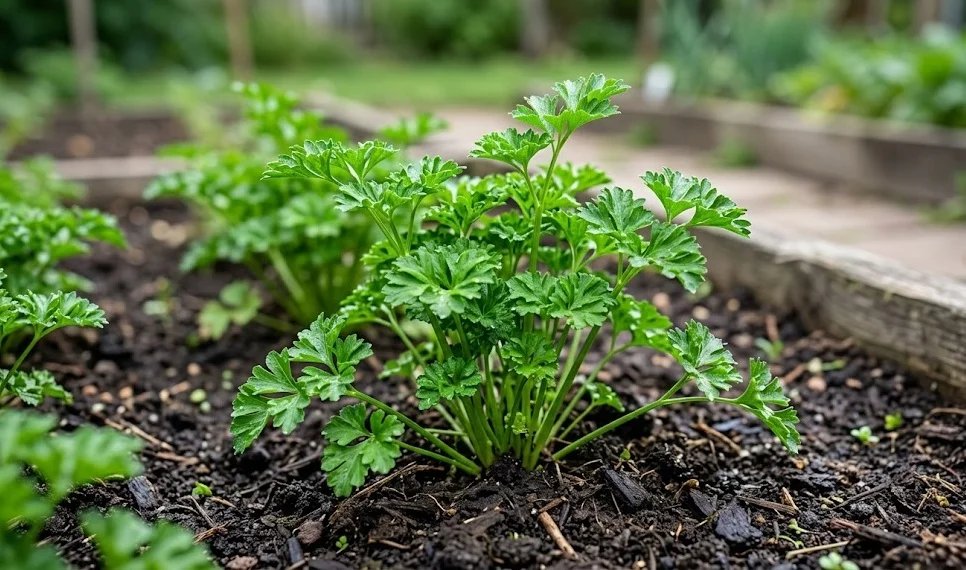

Overwintering parsley is a strategic process that allows you to enjoy fresh herbs well into the cold months or prepare for an early spring harvest. While parsley is naturally cold-hardy, it requires specific care to survive extreme temperatures or prolonged freezes. A professional gardener knows how to leverage the plant’s resilience while providing the necessary protection. By following these steps, you can bridge the gap between growing seasons and maximize the life of your biennial plants.
The first step in a professional overwintering strategy is understanding the hardiness of your specific parsley variety. Most types can easily withstand light frosts, which often makes the leaves taste even sweeter as the plant produces sugars to act as a natural antifreeze. However, once temperatures drop consistently below freezing, the foliage will eventually begin to suffer. Knowing your local climate zone helps you decide whether to protect the plant outdoors or move it inside.
For outdoor plants, the timing of your preparations is critical for success. You should begin the process before the ground freezes hard, usually in late autumn as the growth rate begins to slow down. This allows the plant to naturally transition into a state of semi-dormancy while still having some warmth in the soil. Avoid heavy pruning at this stage, as the existing foliage can provide a small amount of protection for the crown.
The health of the plant going into winter determines its chances of surviving until spring. Ensure that your parsley is well-hydrated before the first major freeze, as dry roots are much more susceptible to cold damage. You should also stop all fertilization about six weeks before the expected first frost. This prevents the production of tender new growth that would be immediately destroyed by the cold.
Mulching and outdoor protection
Applying a thick layer of organic mulch is the most effective way to protect parsley roots from the cycle of freezing and thawing. Use materials like shredded leaves, straw, or evergreen boughs to create an insulating blanket around the base of the plant. Aim for a depth of at least three to four inches, but keep the material slightly away from the center of the rosette. This insulation keeps the soil temperature more stable and prevents the “heaving” that can push roots out of the ground.
More articles on this topic
In areas with very harsh winters, a physical barrier like a cold frame or a row cover can provide a significant advantage. These structures trap the heat from the soil and create a microclimate that is several degrees warmer than the surrounding air. Professional growers often use “floating” row covers made of lightweight fabric that allows light and moisture to pass through. This setup can keep parsley harvestable even when there is snow on the ground.
Another professional trick is using “cloches” or recycled plastic jugs to create individual greenhouses for each plant. This is particularly useful for protecting the central growing point, or the crown, which is the most sensitive part of the herb. Make sure to remove these covers on unseasonably warm, sunny days to prevent the plants from overheating. Ventilation is just as important in the winter as it is in the summer to prevent fungal issues.
For those in milder climates, parsley may not need any extra protection at all to stay green all winter. If your winters rarely see temperatures below twenty degrees Fahrenheit, the plant will likely remain active, albeit growing slowly. In these regions, the main winter challenge is often excessive moisture rather than cold. Ensuring excellent drainage is paramount to prevent the roots from rotting in cold, wet soil.
Bringing parsley indoors for the winter
If you live in a region with extreme cold, moving a few parsley plants indoors is the best way to ensure a continuous supply. This should be done a few weeks before the first hard frost to allow the plant to adjust to the indoor environment. Choose the healthiest, most compact plants for transition and move them into pots with fresh, sterile potting soil. This helps prevent bringing outdoor pests like fungus gnats or aphids into your home.
More articles on this topic
The biggest challenge with indoor overwintering is the lack of sufficient light and the dry air of heated homes. Place your parsley in the brightest window available, preferably one facing south. If you don’t have enough natural light, a small LED grow light can provide the necessary spectrum for continued growth. Keep the plants away from direct heat sources like radiators, which can dry out the foliage too quickly.
Watering indoor parsley requires a different rhythm than outdoor gardening. Because there is no wind and the light is weaker, the soil will dry out much more slowly. Always check the moisture level before watering and ensure that the pot has a saucer to catch any excess. Providing a humidity tray or occasionally misting the leaves can help combat the dry indoor air.
Be prepared for the plant to grow more slowly indoors than it did during the summer. This is normal, as the lower light levels and shorter days naturally trigger a rest period. You can still harvest a few leaves here and there, but avoid taking too much at once. Think of indoor overwintering as a way to maintain the plant rather than to produce a massive harvest.
Managing the transition to spring
As the days begin to lengthen in late winter, you will notice your overwintered parsley starting to wake up. This is the time to remove any dead or damaged leaves that didn’t make it through the cold. If you used heavy mulch, gradually pull it back from the crown to allow the soil to warm up. This signal tells the plant that it is time to begin its second-year growth cycle.
If you brought plants indoors, you will need to “reverse harden” them before moving them back outside. This means gradually re-introducing them to the wind and direct sunlight of the garden. Start with an hour outside in a protected spot and increase the time over the course of a week. Jumping directly from a warm house to the variable spring weather can cause significant transplant shock.
Remember that parsley is a biennial, so overwintered plants will naturally want to flower in their second year. You can delay this by keeping the plants well-watered and pinching off any emerging flower stalks. However, the quality of the leaves will eventually decline as the plant focuses its energy on seed production. Many professionals use the second year to harvest early spring greens and then replace the plants with new seedlings.
Allowing at least one or two plants to go to seed in the second year is a great way to ensure a future crop. The flowers attract beneficial insects, and the falling seeds will often produce “volunteer” plants the following year. This natural cycle creates a self-sustaining parsley patch that requires less effort over time. Understanding and working with the plant’s life cycle is the ultimate mark of a professional gardener.