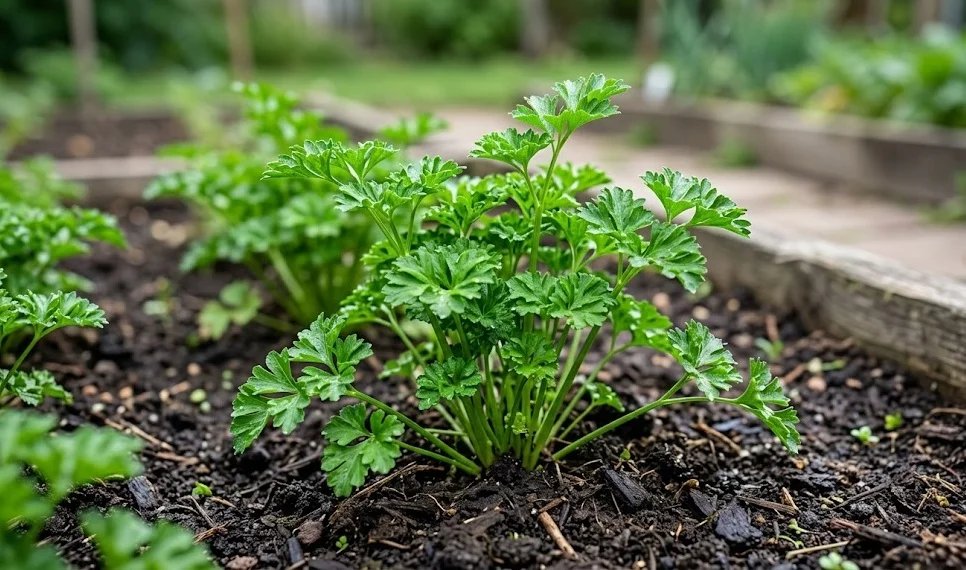

Parsley care requires a deep understanding of the plant’s biennial nature and its specific environmental preferences. To achieve a lush and productive crop, one must focus on the delicate balance of soil moisture and nutrient availability. Success begins with selecting the right variety, whether you prefer the robust flavor of flat-leaf or the decorative appeal of curly-leaf types. A well-maintained herb garden thrives when the gardener pays close attention to the subtle cues provided by the foliage.
The primary foundation of successful care lies in the selection of a suitable growing site. Parsley prefers a location that offers plenty of bright, indirect sunlight throughout the day. While it can tolerate partial shade, the growth rate significantly slows down when the plant lacks sufficient energy from the sun. Ensuring that the soil is loose and well-draining prevents the taproot from rotting during periods of heavy rain.
Understanding the biennial life cycle is crucial for long-term planning in the kitchen garden. During the first year, the plant focuses entirely on producing a dense rosette of flavorful leaves. In the second year, the plant shifts its energy toward producing a tall flower stalk and setting seeds. Most gardeners treat it as an annual to ensure the best leaf quality, as the foliage becomes bitter once flowering begins.
Soil health is the cornerstone of any professional gardening endeavor involving herbs. You should aim for a soil pH that is slightly acidic to neutral, ideally between 6.0 and 7.0. Incorporating well-rotted organic matter before planting improves the soil structure and provides a slow-release source of nutrients. Regular soil testing can help you determine if specific amendments are needed to maintain an optimal growing environment.
Establishing the ideal growing environment
Creating the right microclimate is essential for maintaining healthy parsley throughout the growing season. The plant thrives in cooler temperatures, making spring and autumn its most productive periods. During the height of summer, providing some afternoon shade can prevent the leaves from scorching or becoming overly tough. Air circulation is also vital to prevent the buildup of humidity around the dense foliage.
More articles on this topic
The texture of the soil plays a significant role in how the root system develops. Because parsley produces a long taproot, it requires deep, friable soil that is free of large stones or heavy clay. If your garden has heavy soil, consider growing parsley in raised beds or deep containers to allow the roots to expand. Adding perlite or coarse sand can further enhance drainage in problematic areas.
Temperature management is a subtle but important aspect of professional herb care. Parsley is surprisingly frost-tolerant and can survive light freezes without significant damage to the leaves. However, extreme heat can cause the plant to stress and potentially bolt prematurely. Using organic mulches like straw or shredded bark can help regulate soil temperature and keep the roots cool.
Wind protection is often overlooked but can be beneficial for young or delicate plants. Strong gusts can dry out the foliage rapidly and may even snap the stems of taller varieties. Planting parsley near taller perennials or using low-profile windbreaks can create a calmer environment. This stability allows the plant to focus its energy on leaf production rather than structural repair.
Managing soil moisture and hydration
Watering is perhaps the most frequent task you will perform when caring for this herb. Parsley does not respond well to drought conditions and requires consistent moisture to keep its leaves tender. You should aim to keep the soil damp but never waterlogged, as stagnant water is a primary cause of root diseases. Morning watering is generally preferred to allow any moisture on the leaves to evaporate quickly.
More articles on this topic
Drip irrigation systems are highly recommended for professional-grade parsley cultivation. These systems deliver water directly to the root zone, reducing waste and keeping the foliage dry. If you are watering by hand, try to pour the water at the base of the plant rather than over the top. This targeted approach helps maintain a healthy environment and prevents the spread of fungal spores.
The frequency of watering will depend heavily on the weather and the stage of the plant’s growth. Young seedlings have shallow roots and need more frequent, light watering to survive. As the taproot matures and grows deeper, you can transition to deeper, less frequent irrigation sessions. Always check the top inch of soil before adding more water to ensure it is actually needed.
Mulching serves as an excellent tool for moisture retention in the parsley bed. A layer of organic mulch reduces evaporation from the soil surface and suppresses weed growth. As the mulch decomposes, it also contributes valuable organic matter back into the earth. Be careful not to pile mulch directly against the stems, as this can encourage rot at the crown.
Nutrient management and fertilization
Parsley is a moderately heavy feeder that benefits from a steady supply of nitrogen. This macronutrient is essential for the production of vibrant, green foliage and rapid regrowth after harvesting. Using a balanced liquid fertilizer every few weeks can provide the necessary boost during the peak growing season. Always follow the manufacturer’s instructions to avoid over-fertilizing, which can lead to salt buildup.
Organic options like compost tea or fish emulsion are excellent for maintaining soil fertility naturally. These amendments provide a wide range of trace minerals that contribute to the plant’s overall resilience. Applying a thin layer of fresh compost around the base of the plants mid-season can also refresh the nutrient levels. This method supports the soil microbiome while feeding the plant.
Observation is the best way to determine if your parsley needs additional nutrients. Yellowing lower leaves often indicate a nitrogen deficiency, while stunted growth might suggest a general lack of food. Conversely, overly lush, dark green growth that lacks flavor can be a sign of excessive nitrogen. Adjust your fertilization schedule based on the visible health and vigor of your crop.
Micronutrients such as magnesium and sulfur also play supporting roles in parsley health. While these are usually present in most garden soils, a deficiency can cause unusual leaf discolorations. If you notice persistent issues despite regular feeding, a detailed soil analysis may be necessary. Professional growers often use kelp-based products to provide these essential minor elements.
Strategic harvesting and pruning
Harvesting is not just about gathering food; it is an integral part of the care process. Regular picking encourages the plant to produce new growth from the center of the rosette. You should always harvest the outermost leaves first, as these are the oldest and most mature. Using sharp scissors or shears ensures clean cuts that heal quickly and prevent disease entry.
To maintain the health of the plant, never remove more than one-third of the foliage at a single time. This ensures that the parsley still has enough leaf surface area to perform photosynthesis and recover. If you need a large amount of herb, it is better to have multiple plants to harvest from. Frequent, light harvesting keeps the plant productive and prevents the stems from becoming woody.
Removing any yellowed or damaged leaves is a form of maintenance pruning that should be done regularly. These dying parts can attract pests or serve as a breeding ground for various fungi. By keeping the plant clean, you improve air circulation and light penetration to the inner stems. This simple task significantly contributes to the aesthetic and biological health of the herb.
As the season progresses, you may notice the plant attempting to send up a flower stalk. If you are growing parsley for its leaves, you should pinch these stalks off as soon as they appear. Once the plant begins to flower, the energy shifts away from the leaves, and the flavor profile changes. Continuous monitoring allows you to extend the harvest window as long as possible.
Seasonal transitions and protection
In the early spring, your primary focus should be on protecting young plants from late frosts. Using cloches or floating row covers can provide a few degrees of extra warmth. This protection allows for an earlier start and ensures that the plants are well-established before summer heat arrives. Gradually hardening off indoor-grown seedlings is also a critical step for their survival.
When the summer heat peaks, parsley may enter a period of slower growth or stress. Providing temporary shade during the hottest part of the day can help the foliage remain tender. You might also need to increase the frequency of watering to compensate for higher evaporation rates. Monitoring for pests like aphids or spider mites is especially important during these warm months.
As autumn approaches, parsley often experiences a second flush of vigorous growth in the cooler air. This is an excellent time to harvest heavily for drying or freezing for winter use. You can also begin preparing the plants for the colder months by applying a fresh layer of mulch. The shorter days will naturally slow down the plant’s metabolism as it prepares for dormancy.
Winter care depends largely on your local climate and how you intend to use the plant. In milder regions, parsley can remain green and harvestable throughout the winter with minimal protection. In colder zones, the plant will die back to the ground but the roots may survive if well-protected. Understanding these seasonal shifts allows you to maximize the utility of your parsley patch.
Long-term health and sustainability
Maintaining a healthy parsley crop over several years involves a strategy of crop rotation. You should avoid planting parsley or its relatives, like carrots or dill, in the same spot year after year. This practice helps break the life cycles of soil-borne diseases and specific pests. A three-year rotation cycle is generally considered the gold standard for professional garden management.
Companion planting can also play a role in the long-term success of your parsley care routine. Planting parsley near tomatoes or asparagus is often thought to be mutually beneficial for growth. Some gardeners believe that parsley can help repel certain beetles while attracting beneficial predatory insects. These natural interactions create a more balanced and resilient garden ecosystem.
Recording your observations in a garden journal is a hallmark of a professional approach. Note the dates of planting, the first harvest, and any issues you encountered with pests or weather. Over time, this data helps you refine your care techniques to suit your specific local conditions. It allows you to repeat successes and learn from any failures in previous seasons.
Finally, consider the environmental impact of your care practices by choosing sustainable methods. Using organic fertilizers and integrated pest management reduces the chemical load on your soil. Conserving water through mulch and efficient irrigation protects local resources while keeping your plants healthy. A thoughtful, expert approach to parsley care ensures a bountiful harvest for many seasons to come.