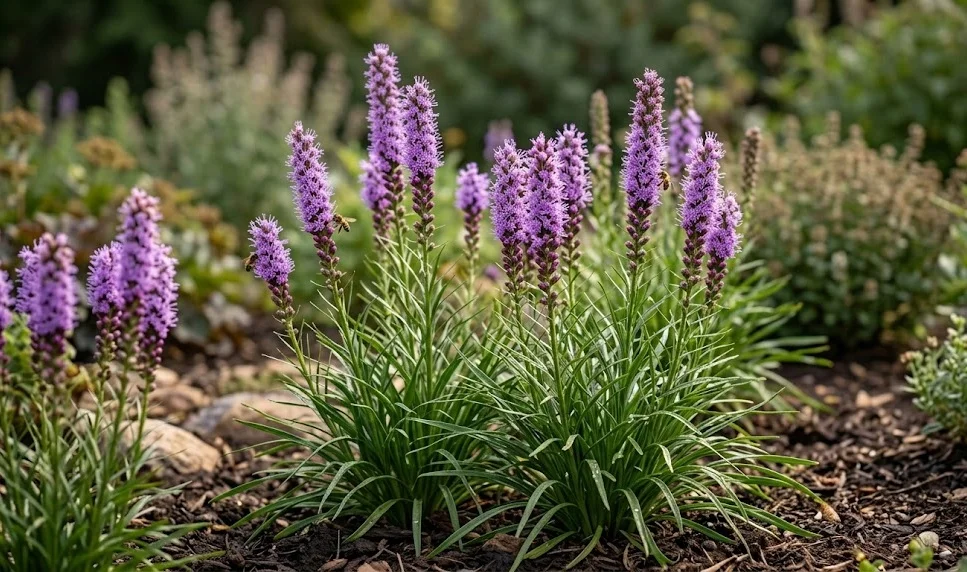

The light environment is perhaps the most significant external factor influencing the growth, structure, and flowering of the dense blazing star. As a species native to the open prairies of North America, it has evolved to thrive under the intense and unobstructed rays of the sun. Providing the correct light exposure is a professional priority that directly impacts the plant’s ability to remain upright and produce its characteristic floral displays. Understanding the nuances of light intensity and duration allows for more strategic placement within the garden landscape.
Sunlight intensity and duration
For the dense blazing star to reach its full potential, it must be positioned in a location that receives full sun for a minimum of six to eight hours each day. Full sun is defined as direct, unfiltered sunlight during the peak hours of the day when the sun is highest in the sky. This intense light is what drives the robust photosynthesis needed to build the large, fleshy corms and the tall, heavy flower spikes. A professional gardener will always prioritize the sunniest spots in the landscape for this particular perennial.
When light levels are insufficient, the plant undergoes a process called etiolation, where the stems become long, weak, and pale in an attempt to reach for more light. These weakened stems are unable to support the weight of the developing flowers, leading to unsightly flopping and a messy garden appearance. This lack of structural integrity is one of the most common complaints when this species is grown in less-than-ideal light conditions. Professional designers solve this problem at the planning stage by ensuring that the light requirements are fully met.
The quality of the light also plays a role in the coloration of both the foliage and the flowers. In bright, direct sun, the needle-like leaves maintain a deep, healthy green color that provides a beautiful backdrop for the blooms. The purple or white flowers also appear more vibrant and saturated when they are illuminated by the full spectrum of natural sunlight. A professional understands that the aesthetic success of the plant is inextricably linked to the quality of the light it receives throughout the day.
In regions with extremely high summer temperatures, the afternoon sun can be particularly intense and may lead to increased transpiration rates. While the dense blazing star is heat-tolerant, providing a steady supply of moisture can help it cope with these conditions without wilting. Some professionals might suggest a location that receives morning and midday sun but is slightly sheltered from the most punishing late afternoon heat. This subtle adjustment of the light exposure can lead to a more resilient and longer-lasting floral display in hot climates.
More articles on this topic
Shade tolerance and its limitations
While the dense blazing star is often described as sun-loving, it can tolerate a very limited amount of light shade, particularly in the early morning or late evening. However, this tolerance is quite narrow, and the plant will quickly show signs of stress if it is placed in a truly shady location. Professional gardeners generally advise against planting this species in areas that receive less than six hours of direct sunlight. The risk of poor performance and disease increases significantly as the available light decreases below this threshold.
In partial shade, the plant’s growth habit changes, often leading to a more open and less dense appearance. The number of flower spikes produced is typically reduced, and the individual spikes may be shorter and less densely packed with florets. This reduction in floral impact can be a disappointment for those expecting the spectacular show seen in full-sun prairie settings. A professional will manage these expectations by explaining the critical role of light in the plant’s reproductive success.
Another consequence of insufficient light is an increased susceptibility to foliar diseases such as powdery mildew. Shadier areas often have higher humidity and slower drying times for the foliage, creating the perfect environment for fungal pathogens. By planting in full sun, the gardener ensures that the leaves dry quickly after rain or dew, naturally reducing the risk of disease. This cultural control is a fundamental part of a professional approach to maintaining healthy and attractive perennials.
If a garden only offers shadier conditions, it may be better to choose a different species that is more naturally adapted to those light levels. A professional knows that trying to force a sun-loving plant to grow in the shade is often a recipe for frustration and extra maintenance. However, if a prized specimen must be grown in less-than-ideal light, extra attention to staking and disease monitoring will be required. This realistic assessment of the environment is what ensures the long-term success and beauty of the garden.
More articles on this topic
Maximizing bloom potential through light
The timing of the floral display is directly influenced by the amount of light the plant receives during the growing season. Plants in the sunniest locations will typically bloom earlier and more consistently than those in partially shaded spots. This predictability is valuable for professional garden designers who are trying to coordinate the blooming times of multiple species within a large border. By controlling the light exposure, one can have a degree of influence over the peak visual impact of the landscape.
To maximize the impact of the unique “top-down” blooming habit, the light should hit the spikes evenly from all sides. Planting in open areas where the light is not blocked by overhanging trees or large structures ensures a more uniform and attractive development of the flowers. This even lighting prevents the spikes from leaning or curving toward a single light source, maintaining the vertical architectural form that is so prized. Professional placement within the garden takes these geometric considerations into account to achieve the best visual results.
Reflected light from nearby surfaces, such as light-colored walls or fences, can also contribute to the overall light budget of the plant. In smaller urban gardens, these reflections can sometimes compensate for a slightly shorter duration of direct sunlight. A professional gardener will observe these secondary light sources and use them to their advantage when positioning plants in challenging spaces. This attention to the micro-details of the light environment is what separates an expert from a novice.
Finally, the interplay of light and shadow in the garden can be used to highlight the texture and form of the dense blazing star. Backlighting the flower spikes with the low sun of the morning or evening creates a glowing effect that is truly spectacular. A professional designer will often place these perennials where they can catch this dramatic lighting, enhancing the overall experience of the garden. This final touch of artistry is the reward for a deep understanding of the plant’s fundamental light requirements.