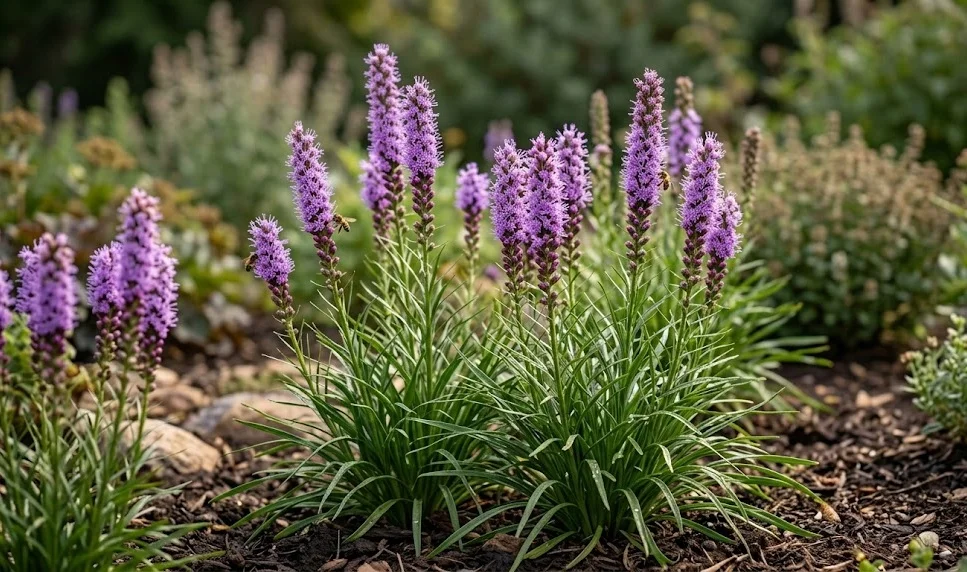

Proper pruning and cutting back of the dense blazing star are essential tasks that influence both the current season’s beauty and the future health of the plant. While this perennial does not require the complex pruning of woody shrubs, a professional approach to removing spent flowers and seasonal debris is highly beneficial. Understanding the timing and technique for these interventions allows the gardener to maintain a tidy appearance and support the plant’s natural life cycle. A professional maintenance plan includes specific periods for pruning that align with the developmental stages of the species.
Deadheading and its benefits
Deadheading is the practice of removing spent flower spikes before they have a chance to set seed, and it serves several purposes in the professional garden. Primarily, it maintains a clean and intentional aesthetic by removing the fading, brown stalks that can detract from the remaining blooms. This simple act can extend the perceived beauty of the garden and keep the focus on the vibrant elements of the landscape. A professional gardener will regularly patrol the garden during the blooming season to perform this light maintenance task.
In some cases, prompt deadheading can encourage the plant to produce smaller, secondary flower spikes from the lower leaf axils. While these side blooms are never as large or dramatic as the primary spike, they can provide a welcome extension of the flowering period. This redirecting of the plant’s energy from seed production back into floral growth is a classic horticultural technique for maximizing visual impact. It requires a keen eye and consistent attention to the progress of the blooming cycle.
Removing the seed heads also prevents the plant from self-sowing excessively throughout the garden beds. While a few volunteers might be welcome, an unmanaged population of seedlings can quickly become a weeding challenge and crowd out other desirable plants. For those who prefer a more controlled and orderly garden, deadheading is an indispensable tool for population management. A professional understands the reproductive potential of the species and acts accordingly to maintain the desired garden balance.
However, a professional gardener also knows when to stop deadheading and allow the final spikes of the season to remain. Leaving some seed heads provides a vital food source for local birds and adds a layer of ecological value to the garden. The architectural interest of the dried stalks can also be a beautiful addition to the winter landscape, especially when covered in frost or light snow. This balance between aesthetic control and ecological stewardship is a hallmark of a thoughtful and professional gardening practice.
More articles on this topic
Autumn and winter cutting back
As the growing season draws to a close, the question of when to cut the entire plant back to the ground becomes a primary maintenance consideration. Many professionals prefer to wait until the foliage has completely turned brown and died back naturally before removing it. This ensures that the plant has finished moving all of its available nutrients into the underground corms for the winter. Cutting the plants back too early while the leaves are still green can weaken the storage organs and reduce the vigor of the following year’s growth.
A common professional practice is to leave the stems standing through the winter to protect the crown of the plant from extreme weather. The old stalks can act as a natural snow trap, providing a layer of insulating moisture and protection against the wind. In the early spring, before the new growth emerges, the old stems can then be cut back to within an inch or two of the soil surface. This timing ensures that the garden looks tidy just as the new season begins without compromising the winter resilience of the plant.
When cutting back the plants, it is important to use sharp, clean tools to make smooth cuts and prevent the crushing of the plant tissue. Dull blades can tear the stems, leaving them more susceptible to disease and rot during the damp winter or spring months. A professional gardener takes the time to maintain their equipment, recognizing that the quality of the tool is directly reflected in the health of the plant. This attention to detail is a small but significant part of professional horticultural care.
Sanitation is also a key factor during the cutting back process, especially if there were any signs of disease during the summer. All removed plant material should be gathered and disposed of appropriately to prevent the carry-over of pathogens to the next season. If the plants were healthy, the chopped-up stems can sometimes be used as a light mulch or added to the compost pile. This decision-making process is based on a careful assessment of the plant’s health throughout the entire growing year.
More articles on this topic
Tool maintenance and specialized techniques
The success of any pruning task depends on having the right tools for the job and keeping them in top condition. For the dense blazing star, a pair of sharp bypass pruners is usually the most effective tool for both deadheading and seasonal cutting back. Bypass pruners work like scissors, making a clean cut through the fibrous stems without crushing the internal vascular system. A professional will also carry a small sharpening stone to touch up the blades as needed during a long day in the garden.
Disinfecting tools between plants is a professional standard that prevents the accidental spread of viruses and fungal spores. A simple solution of isopropyl alcohol or a specialized garden disinfectant can be used to wipe down the blades quickly. This practice is especially important when working with a large collection of perennials or when a disease issue has been identified in the area. It is a simple step that can save a great deal of time and effort in the long run by maintaining a healthy garden environment.
When removing large numbers of stems in the early spring, some professionals may use specialized shears to speed up the process. Hedge shears can be used to cut back a large drift of dense blazing star quickly and evenly, provided the blades are kept very sharp. This efficiency is important for managing large-scale landscapes or public gardens where time is a significant factor. However, the gardener must be careful not to damage the emerging new shoots that are hidden at the base of the old stems.
Finally, observing the response of the plant to different pruning techniques over several seasons allows for a more refined and effective approach. Some cultivars may respond better to early deadheading, while others might benefit more from being left alone to complete their natural cycle. Documenting these observations in a garden journal helps build a deep and personalized understanding of the specific plants in the collection. This commitment to continuous learning and adaptation is what defines the work of a professional horticulturist.