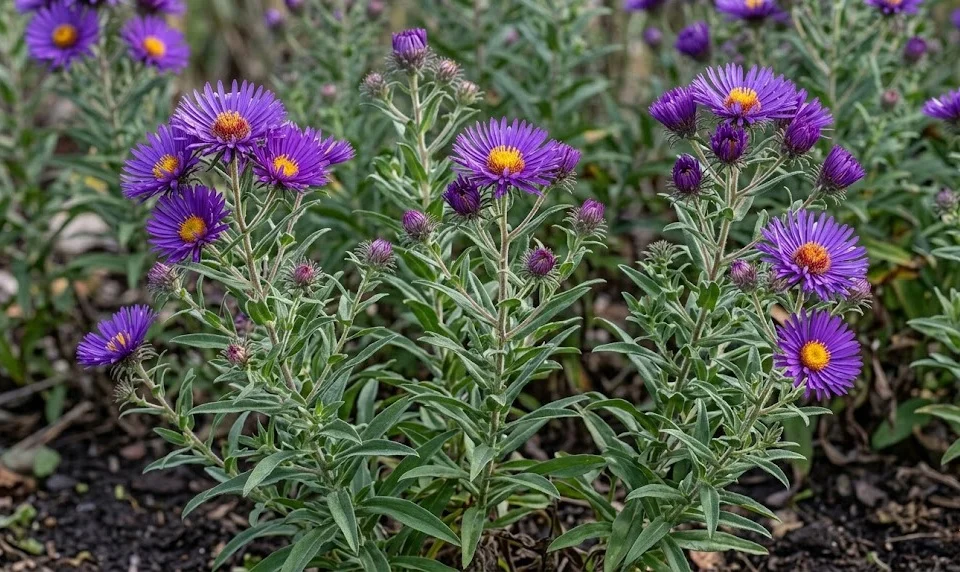

As the temperatures drop and the days grow shorter, the New England aster prepares for its period of winter rest. This hardy perennial is well-equipped to handle cold climates, but a little bit of preparation can ensure it returns with even more vigor the following spring. Understanding how to transition your plants from their autumn peak to their winter dormancy is a key part of successful long-term gardening. This guide outlines the essential steps for protecting your asters during the harshest months of the year.
Late autumn preparations for the dormant phase
The process of overwintering begins in the late fall, just as the last of the vibrant flowers begin to fade and turn to seed. You should continue to provide adequate water during this period if the autumn has been particularly dry, as the roots need to be hydrated before the ground freezes. While the top of the plant is dying back, the root system is still active, storing energy for the next growing season. Ensuring the plant is not stressed as it enters dormancy is a critical first step.
You should resist the urge to cut the plants back immediately after they finish blooming, as the foliage still plays a role in the plant’s health. The leaves continue to photosynthesize as long as they are green, sending vital sugars down to the crown and roots. Wait until the stems have completely turned brown and brittle before you consider bringing out the garden shears. This natural dying back process is a signal that the plant has successfully relocated its resources for the winter.
Taking stock of the plant’s overall health at the end of the season can help you plan for any necessary interventions in the spring. You should check the base of the plant for any signs of disease or pest issues that might persist through the winter. If the center of the clump looks particularly woody or overcrowded, make a note to divide it once the ground thaws. Planning ahead saves you time during the busy spring planting window when there are many other tasks to attend to.
Clearing away any weeds that have sprung up around the base of the aster is another important late-season task. Weeds can harbor pests and diseases over the winter, providing a head start for problems once the weather warms up. A clean garden bed reduces competition for resources and makes it easier to apply protective mulches if they are needed. Keeping the area tidy also improves the overall winter appearance of your landscape while the plants are dormant.
More articles on this topic
Cutting back the stems for the cold season
Once a hard freeze has turned the foliage brown, you can begin the process of cutting back the stems of your New England asters. Most gardeners prefer to cut the stems down to about three or four inches above the soil line to keep the garden looking neat. This height provides a clear marker for where the plant is located, which prevents you from accidentally digging it up or stepping on it in the spring. Removing the old growth also helps reduce the risk of fungal spores overwintering on the dead tissue.
If you live in a region with relatively mild winters, you might choose to leave the stems standing until late winter or early spring. The dried seed heads can provide an important food source for birds, and the hollow stems can offer winter shelter for beneficial insects. Additionally, the standing stems can trap snow, which acts as a natural insulator for the roots against extreme temperature fluctuations. This “messier” approach to winter gardening is increasingly popular for those looking to support local biodiversity.
Regardless of when you choose to cut them back, you should always use sharp, clean tools to ensure clean cuts that heal quickly. Avoid tearing the stems, as this can create jagged edges that are more susceptible to rot during wet winter thaws. If you noticed any signs of disease during the growing season, be sure to dispose of the stems in the trash rather than the compost pile. Good hygiene at this stage prevents the reintroduction of pathogens to your garden beds in the future.
If you have chosen to leave the stems for the birds, keep an eye on them throughout the winter to ensure they are not blowing over or creating a mess. You can loosely tie them together if they start to flop, maintaining their structural integrity until you are ready to remove them in the spring. This balance between aesthetics and ecological support is a personal choice that depends on your specific gardening goals. The New England aster is flexible enough to thrive under either maintenance strategy.
More articles on this topic
Root protection and natural insulation methods
While New England asters are generally very cold-hardy, the roots can still benefit from a layer of protection in regions with extreme winters. You should apply a two-to-three-inch layer of organic mulch around the base of the plant after the ground has frozen. This mulch acts like a blanket, regulating the soil temperature and preventing the cycle of freezing and thawing that can push plants out of the ground. Heaving is a common issue for perennials, and a good layer of mulch is the best defense against it.
Materials like shredded bark, fallen leaves, or even evergreen boughs make excellent winter mulches for your garden beds. If you use leaves, make sure they are shredded first to prevent them from matting down and creating an airtight seal that can lead to rot. The goal is to provide insulation while still allowing for some air movement and moisture penetration. Avoid piling the mulch directly against any remaining stems to prevent trapping excessive moisture around the crown.
In areas with very little snow cover, the risk of root damage from deep frost is higher, making supplemental mulching even more important. Snow is one of the best natural insulators available, and its absence can leave the soil vulnerable to rapid and deep freezing. If a particularly cold snap is predicted and there is no snow on the ground, you might want to add an extra layer of loose straw or leaves temporarily. These simple measures can make the difference between a thriving plant and one that struggles to recover in the spring.
Container-grown asters require much more attention during the winter, as their roots are more exposed to the cold air. You should consider moving the pots to a sheltered location, such as an unheated garage or a protected corner of a patio. Alternatively, you can bury the pots in the ground or wrap them in several layers of burlap and bubble wrap to provide extra insulation. Ensuring that the soil in the containers stays slightly moist but not wet is also vital for the survival of the roots.
Transitioning into spring growth and recovery
As the days begin to lengthen and the soil starts to warm, you will need to keep an eye out for the first signs of new growth. You should gently pull back any heavy winter mulch from the crown of the plant to allow the sun to reach the soil and the emerging shoots. If you left the old stems standing over the winter, now is the time to cut them back to the ground. This clearing process makes room for the fresh, green stems that will soon define your garden.
Spring is also a good time to assess how well your asters survived the winter and whether they need any immediate care. If you notice any signs of frost heaving, gently press the plant back into the soil and add a bit of fresh compost to fill any gaps. Watering may be necessary if the spring is unusually dry, especially as the plant begins its rapid growth phase. Providing a light application of balanced fertilizer now can help give the plant a head start for the coming season.
If the winter was particularly harsh, some parts of the clump may have died back, leaving an uneven or sparse appearance. You should not worry too much, as New England asters are remarkably resilient and will often fill in the gaps quickly as the season progresses. If the plant looks very weak, it might be an indication that it needs to be moved to a more protected location or divided to rejuvenate the roots. Every winter is different, and the plant’s reaction to it provides valuable information for your future gardening decisions.
Finally, take a moment to appreciate the endurance of these beautiful perennials as they begin their cycle once again. The successful overwintering of your New England asters is a testament to both their hardy nature and your careful stewardship of the garden. With the foundation of a healthy root system and a clean start in the spring, your plants are well on their way to another spectacular autumn show. The rhythm of the seasons is what makes gardening such a continuous and rewarding journey.