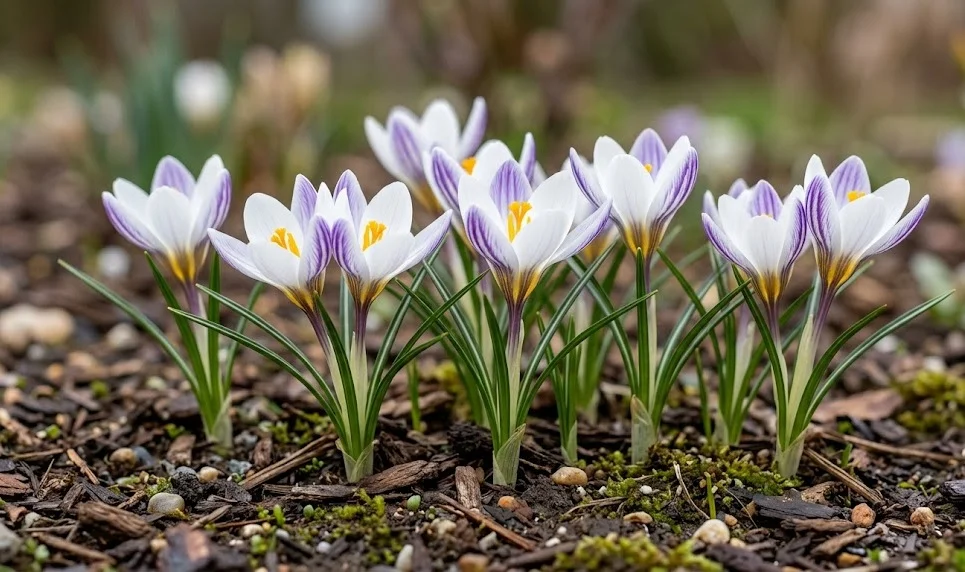

Proper hydration and nutrient management are the twin pillars of a successful cultivation strategy for the silvery crocus. While these plants are adapted to regions with specific rainfall patterns, they still require careful intervention from the gardener at key points in their cycle. Achieving the right balance ensures that the bulbs remain healthy, productive, and resistant to environmental stressors. A professional approach to watering and feeding will result in more vibrant flowers and a longer lifespan for the entire colony.
The timing of water application is just as important as the quantity of water used in the garden. During the early spring, when the plants are actively growing and flowering, the soil should be kept consistently moist. If the spring is unusually dry, supplemental watering may be necessary to support the rapid development of the blooms. However, the gardener must always ensure that the soil has excellent drainage to prevent the accumulation of standing water.
Watering should always be done at the base of the plant to keep the foliage and flowers as dry as possible. Overhead watering can sometimes cause the delicate petals to collapse or encourage the growth of fungal pathogens. Early morning is the ideal time for irrigation, as it allows any accidental moisture on the leaves to evaporate quickly in the sun. This simple technique is a highly effective way to maintain the aesthetic quality and health of the floral display.
As the season progresses and the temperatures rise, the water requirements of the silvery crocus begin to change significantly. Once the flowering period has ended, the plants enter a crucial phase where they store energy for the following year. During this time, moderate watering should continue as long as the foliage remains green and functional. When the leaves finally turn brown and the plant enters dormancy, the watering schedule should be stopped almost entirely.
Principles of spring irrigation
In the professional garden, spring irrigation for bulbs is handled with a focus on deep and infrequent watering. This method encourages the roots to grow deeper into the soil in search of moisture, making the plants more resilient to short-term droughts. Shallow, frequent watering tends to keep the roots near the surface, where they are more vulnerable to heat and drying. Testing the soil moisture with your finger before watering is a reliable way to gauge the actual needs of the site.
More articles on this topic
Natural rainfall is often sufficient for the silvery crocus in many temperate climates, but the gardener must remain vigilant. If a week passes without significant rain during the peak growth period, it is time to check the garden beds. Heavy clay soils will hold moisture longer than sandy soils, so the watering frequency must be adjusted according to the soil type. Understanding your garden’s unique “thirst” is a skill that comes from careful observation over several seasons.
The quality of the water used in the garden can also have a subtle impact on the health of the crocus bulbs. Rainwater is generally the best choice because it is naturally soft and free from the chemicals often found in municipal tap water. If you must use tap water, allowing it to sit in a container for 24 hours can help some of the chlorine to dissipate. Maintaining the natural balance of the soil chemistry is a priority for any professional horticulturist seeking the best results.
Monitoring the weather forecast is an essential part of a professional watering routine for spring bulbs. If a hard frost is predicted, it is often beneficial to ensure the plants are well-hydrated, as moist soil holds heat better than dry soil. Conversely, if a long period of heavy rain is expected, the gardener may need to ensure that drainage channels are clear and functional. This proactive approach to water management helps protect the plants from the extremes of the early spring climate.
Nutrient requirements and soil health
Fertilization for the silvery crocus should be viewed as a way to supplement the natural fertility of a healthy soil ecosystem. These bulbs do not require heavy feeding, and over-fertilizing can actually be detrimental to their long-term health. A professional strategy focuses on providing the right nutrients at the right time to support specific biological functions. Nitrogen is needed for foliage growth, while phosphorus and potassium are critical for root development and flower quality.
More articles on this topic
The best time to apply nutrients is in the early spring, just as the first green tips begin to emerge from the soil. A balanced, slow-release fertilizer provides a steady supply of nutrients throughout the entire active growing season. Avoid high-nitrogen formulas, as they can cause the leaves to grow too quickly and become weak or prone to disease. A professional-grade bulb food is usually formulated with the correct ratios to support healthy and balanced development.
In addition to chemical fertilizers, the use of organic matter is highly recommended to improve the soil structure and biology. A thin top-dressing of well-rotted compost or leaf mold in the autumn can provide a wealth of trace minerals and beneficial microbes. These organic additions help create a living soil that can sustain the bulbs for many years without the need for intensive chemical intervention. Healthy soil is the foundation upon which all successful gardening projects are built.
Observing the plants for signs of nutrient deficiencies is a key task for the professional gardener during the spring. Yellowing leaves that are not related to the natural dormancy process can sometimes indicate a lack of nitrogen or magnesium. If the flowers are unusually small or pale, it may be a sign that the phosphorus levels in the soil are too low. By identifying these signs early, you can make targeted adjustments to your fertilization program for the following season.
Managing the dormancy period
The transition into summer dormancy is a critical time for the water and nutrient management of the silvery crocus. As the foliage starts to yellow, the metabolic activity of the plant slows down, and its need for external inputs decreases. Forcing the plant to stay green through excessive watering can disrupt its natural clock and lead to bulb rot. Professional gardeners respect this resting phase and allow the plants to retreat into the soil at their own pace.
During the dormant months, the soil should be kept relatively dry to prevent the corms from becoming waterlogged. This is especially important in gardens that use automated irrigation systems for other summer plants. If possible, avoid placing the crocus bulbs in areas that will receive heavy, daily watering throughout the entire summer. A “dry rest” mimics the Mediterranean-style climate of their native regions and is essential for the maturation of the next year’s flower buds.
Fertilization during dormancy is generally not recommended and can even be a waste of resources. The roots are not active enough to take up the nutrients, and the minerals may simply wash away or encourage weed growth. If you are planning to enrich the soil, it is better to wait until the autumn when root activity resumes. Timing your interventions with the plant’s internal calendar is a hallmark of professional horticultural expertise.
If you are growing silvery crocus in containers, managing the dormancy period requires a bit more attention. The pots can be moved to a sheltered, dry location where they are protected from summer rainstorms. Monitoring the moisture level of the potting mix ensures that the bulbs do not desiccate completely, but the mix should remain barely damp. Container gardening offers excellent control over the environment, but it demands a higher level of consistency from the gardener.
Organic vs synthetic options
The choice between organic and synthetic fertilizers is often a matter of professional preference and specific garden goals. Synthetic fertilizers offer precise control over nutrient ratios and are often faster-acting in the short term. They are particularly useful for correcting specific deficiencies that have been identified through soil testing. However, they must be used with care to avoid the buildup of salts in the soil, which can harm the delicate bulb tissues.
Organic fertilizers, such as bone meal, seaweed extract, or compost, work by improving the overall health of the soil ecosystem. They release their nutrients slowly as they are broken down by soil microbes, providing a more natural and sustained food source. Many professionals prefer organic methods because they promote a diverse community of beneficial fungi and bacteria. These microbes often form symbiotic relationships with the crocus roots, helping them absorb water and minerals more efficiently.
A combination of both methods is often the most effective approach for a large and diverse garden collection. Using organic matter to build a healthy soil base and synthetic products for targeted boosts can yield excellent results. For example, a base layer of compost in the fall followed by a light application of bulb food in the spring is a common professional routine. This balanced approach ensures that the plants have everything they need for both immediate growth and long-term vitality.
Regardless of the products used, the application must be done according to the manufacturer’s instructions and professional standards. Applying fertilizer to dry soil can sometimes cause root burn, so it is always a good idea to water the area lightly before and after feeding. Keeping the fertilizer away from direct contact with the foliage and the bulbs themselves is another important safety measure. Professionalism in gardening is defined by these small but crucial steps that protect the health of the plants.
Troubleshooting and long-term care
If your silvery crocus colony is not performing as expected, the first thing to check is the watering and feeding history. Over-watering is the most common cause of poor performance and can lead to a complete loss of the bulbs within a single season. If the soil smells sour or the bulbs feel soft and mushy, it is a clear sign that the drainage needs to be improved. Adjusting your irrigation schedule is the first step toward reviving a struggling garden bed.
Sometimes, a lack of flowering can be caused by a buildup of nutrients that favors leaf growth over bloom production. If you have been using a high-nitrogen fertilizer, try switching to one with a higher phosphorus content for a season. This change can often trigger the plants to focus their energy on creating new flower buds for the following spring. Professional gardening often involves this type of trial and error to find the perfect balance for your specific site.
As the colony matures and expands, the natural nutrient levels in the soil may begin to decline due to high demand. Regularly replenishing the organic matter in the bed will help maintain a consistent level of fertility over many years. Professional gardeners often use a “no-dig” approach to adding compost, simply spreading it over the surface and letting the earthworms do the work. This method protects the delicate root systems and maintains the integrity of the soil structure.
Ultimately, the goal of watering and fertilization is to support the natural resilience of the silvery crocus. A well-fed and properly hydrated plant is much better equipped to handle pests, diseases, and extreme weather. By providing professional-level care, you are investing in the future beauty and health of your garden. The rewards of this effort are seen every spring when the first silvery blooms light up the landscape once again.