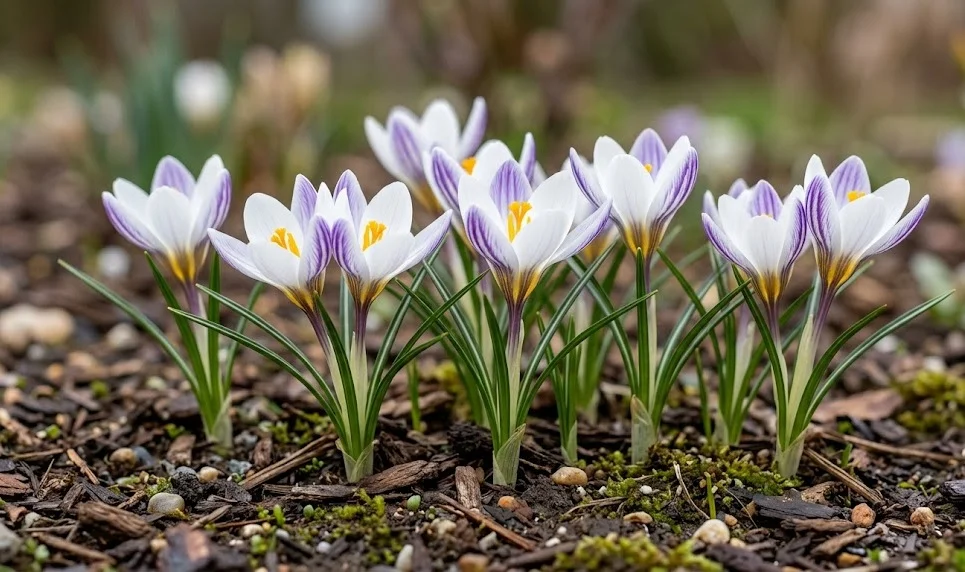

The silvery crocus is a resilient and enchanting perennial that serves as one of the earliest harbingers of spring in a professional garden. Providing the right environment for this species requires a deep understanding of its natural habitat and growth cycle. Many gardeners appreciate its ability to spread naturally and create a carpet of delicate blooms across the landscape. To achieve this level of success, one must pay close attention to the specific needs of the bulbs during their active phases.
Proper soil preparation is the cornerstone of long-term health for these spring-flowering plants. The substrate should be loose and rich in organic matter to allow the root systems to develop without resistance. Heavy clay soils can be problematic because they retain too much moisture, which often leads to the deterioration of the bulbs. Incorporating sand or fine gravel into the planting site can significantly improve the drainage and aeration for the root zone.
Climate considerations are equally important when planning the placement of your crocus collection. While these plants are remarkably hardy, they prefer regions that experience a distinct period of winter chilling to trigger bloom development. Sudden temperature spikes in late winter can sometimes cause the flowers to emerge prematurely and face frost damage. Selecting a site that offers some protection from harsh northern winds will help preserve the delicate petals once they open.
Maintaining the health of the silvery crocus involves monitoring the area for competing vegetation and invasive weeds. Weeds can quickly overwhelm the small foliage of the crocus and rob the bulbs of essential nutrients and light. A thin layer of organic mulch can help suppress weed growth while keeping the soil temperature relatively stable. However, gardeners should ensure the mulch is not so thick that it prevents the small shoots from breaking through in the spring.
Establishing the ideal environment
Finding the perfect spot in your garden layout is the first step toward a flourishing display of these early blooms. These plants generally thrive in locations where they can receive ample sunlight during their short growing season in the spring. Deciduous trees offer an excellent partnership because the crocus can bloom before the trees fully leaf out and cast deep shade. This natural timing ensures the plants get the energy they need before retreating into their summer dormancy.
More articles on this topic
The soil pH also plays a subtle but vital role in the overall vigor and color intensity of the flowers. A neutral to slightly alkaline soil is generally preferred, as it mimics the rocky slopes where these plants originate. If your garden soil is naturally acidic, applying a small amount of garden lime can help balance the environment for better growth. Testing the soil every few seasons will provide the data needed to make these small but impactful adjustments.
Air circulation is an often overlooked factor that contributes to the prevention of various fungal issues in the garden bed. Planting the bulbs with adequate spacing ensures that air can move freely around the emerging foliage and flowers. Dense clusters are beautiful, but they should be thinned out every few years to maintain high health standards. This practice not only prevents disease but also encourages the production of larger and more vibrant individual blossoms.
Water management during the active growth period should be handled with a professional touch to avoid saturation. While the plants need consistent moisture to support their rapid development, the soil must never stay waterlogged for extended periods. Once the foliage begins to yellow and die back, the watering frequency should be drastically reduced to allow for dormancy. This transition period is critical for the bulbs to store energy and prepare for the next year’s spectacular show.
Seasonal maintenance routines
As the flowers fade, the primary task for the gardener shifts toward supporting the foliage as it gathers energy. It is a common mistake to remove the green leaves too early for the sake of garden tidiness. These leaves act as solar panels, converting light into the carbohydrates that the bulb will store for the following winter. Leaving the foliage until it turns completely brown and brittle is the best way to ensure a strong return next season.
More articles on this topic
Summer care is relatively simple because the bulbs are resting deep beneath the soil surface in a dormant state. During this time, the area can be used for shallow-rooted annuals that do not require heavy watering. It is important to avoid deep digging in the crocus beds during the summer months to prevent physical damage to the bulbs. Marking the locations of your crocus drifts with small stakes can help you remember where they are during the off-season.
Autumn marks the beginning of the underground activity where the bulbs start to develop their new root systems. This is the ideal time to apply a light top-dressing of compost to provide a slow-release source of nutrients. Preparing the bed for the coming winter involves clearing away any fallen debris that could harbor pests or mold. A clean garden bed in the fall sets the stage for a healthy and vibrant emergence in the early spring months.
Professional monitoring during the late winter months will allow you to catch the very first signs of growth. Sometimes, heavy snow or ice can create a crust that makes it difficult for the tender shoots to break through. Gently breaking up any ice or compacted snow can give the plants the little boost they need to emerge safely. Observing these early changes allows the gardener to anticipate the bloom time and plan surrounding garden activities accordingly.
Managing the growth cycle
The life cycle of the silvery crocus is a fascinating display of botanical efficiency and seasonal adaptation. Each bulb, or corm, has a limited lifespan and is eventually replaced by new “cormlets” that form on top of the old one. Understanding this replacement process helps the gardener realize why the depth of the plant can change over many years. Over time, these cormlets can become crowded, leading to a noticeable decrease in the size and number of flowers produced.
To maintain the quality of the display, a professional gardener will plan to lift and divide the bulbs every three to four years. This process is best performed in the late spring or early summer once the foliage has completely died back. Lifting the bulbs allows you to inspect them for health and remove any that show signs of rot or insect damage. Replanting the healthiest cormlets at the proper spacing will immediately rejuvenate the entire garden section for future seasons.
The timing of these interventions is crucial to minimize the stress on the plant’s biological systems. If you wait too long into the summer, the bulbs may have already started their internal processes for the next year. On the other hand, lifting them while the leaves are still green can deprive the bulb of essential energy reserves. Finding that perfect window when the leaves are dry but the soil is still workable is an art developed through experience.
Documenting the performance of different patches in your garden can provide valuable insights for future care decisions. You might notice that certain areas bloom earlier or produce more vibrant colors than others due to microclimates. Keeping a simple garden journal allows you to track these patterns and adjust your maintenance schedule for each specific spot. This level of detail is what separates a casual hobbyist from a dedicated professional horticulturist.
Advanced aesthetic techniques
Creating a natural look with the silvery crocus requires a deliberate approach to planting and spacing. Instead of rigid rows, professional landscapers often “toss” the bulbs onto the ground and plant them exactly where they land. This random distribution mimics the way the plants would naturally colonize a meadow or a woodland edge. The resulting drifts of color appear much more organic and visually appealing than structured patterns or geometric shapes.
Color coordination with other early spring bloomers can elevate the visual impact of your garden design. The soft, silvery tones of this crocus variety pair beautifully with the deep blues of Siberian squill or the bright yellows of winter aconite. By choosing companion plants with similar cultural requirements, you create a cohesive and low-maintenance ecosystem. Planning for a succession of blooms ensures that your garden remains interesting from late winter through the end of spring.
The use of these plants in lawn settings, often called “naturalizing in grass,” is a popular technique for large estates. For this to work, you must be willing to delay the first mowing of the lawn until the crocus foliage has ripened. This allows the bulbs to complete their lifecycle and store enough energy to survive under the turf for another year. The sight of thousands of small flowers emerging from a dormant lawn is truly one of the most breathtaking sights in horticulture.
In smaller garden spaces, the silvery crocus can be used to accent rock gardens or the edges of permanent pathways. Their small stature makes them perfect for viewing at close range where their intricate markings can be fully appreciated. Placing them in raised beds or containers also allows for better control over the soil quality and drainage. This versatility makes them an essential component of any professional garden plan, regardless of the available space.
Long term health strategies
Ensuring the longevity of your crocus collection involves a proactive approach to soil health and nutrition management. Over several years, even the best soil can become depleted of the trace minerals that support vibrant flowering. Applying a balanced, low-nitrogen fertilizer in the early spring can provide the necessary boost without encouraging excessive leaf growth. It is better to provide small, consistent amounts of nutrients rather than one heavy application that might burn the roots.
The physical environment around the bulbs should be kept as stable as possible to avoid unnecessary stress. Avoid heavy foot traffic or the use of heavy machinery over areas where bulbs are planted, especially when the ground is wet. Soil compaction can restrict oxygen flow to the bulbs and make it difficult for roots to penetrate the earth. A well-maintained garden path nearby can help direct traffic away from the sensitive planting zones.
Integrated pest management is another critical component of a professional long-term care strategy for bulbs. Regularly checking for signs of rodent activity or insect infestations can prevent a small problem from becoming a disaster. Using natural deterrents or physical barriers can often be more effective and environmentally friendly than harsh chemicals. A healthy, diverse garden ecosystem will often have its own natural checks and balances that help protect your plants.
Refining your care techniques based on the specific conditions of your local environment is a continuous process. What works in a sandy coastal garden might not be suitable for a heavy inland clay soil. Engaging with local horticultural societies and sharing observations with other professionals can broaden your understanding. The silvery crocus is a rewarding subject for any gardener who is willing to observe, learn, and adapt their methods over time.
Quality control and bulb selection
When expanding your collection, the quality of the initial bulbs you purchase will dictate the success of the project. Professional-grade bulbs should be firm to the touch, heavy for their size, and free from any visible mold or soft spots. The outer skin, or tunic, should be intact as it provides a layer of protection against dehydration and infection. Buying from reputable suppliers who specialize in species crocus ensures that you are getting healthy, true-to-type material.
Storing bulbs correctly between the time of purchase and the time of planting is a vital step in the process. They should be kept in a cool, dry, and well-ventilated area to prevent premature sprouting or rotting. Mesh bags or open trays are better than plastic bags, which can trap moisture and heat. Keeping the bulbs away from ripening fruit is also important, as ethylene gas can damage the flower primordia inside the bulb.
During the planting process, checking the orientation of each bulb ensures that it can emerge with minimal effort. While bulbs have a natural ability to orient themselves, planting them with the pointed end up gives them a significant head start. Inconsistent planting depths can lead to uneven blooming times, which might disrupt the intended visual effect of your garden. Using a dedicated bulb planter can help maintain a uniform depth across a large area for a more professional look.
Finally, keeping accurate records of the varieties and planting dates will help you manage your garden more effectively in the future. Labelling the different patches can prevent accidental digging and help you identify which groups might need division. As your garden matures, these records become an invaluable resource for troubleshooting and planning new additions. Professional gardening is as much about organization and documentation as it is about the physical work in the soil.