
Understanding and managing light exposure is a fundamental skill for anyone wishing to cultivate the silvery crocus to professional standards. Light serves as the primary energy source for these plants, driving the photosynthesis that powers their rapid spring growth and bulb maturation. While they are adaptable, providing the optimal intensity and duration of light will result in stronger stems and more vibrant flowers. A professional gardener carefully analyzes the light patterns of their site to ensure the best possible results.
In their native habitats, these crocuses are often found in open meadows or on rocky slopes where they receive plenty of direct sunlight. In the garden setting, they perform best when they are given a position that receives full sun for most of the day. Because they bloom so early in the season, they can often take advantage of areas that will later be shaded by larger plants. This ability to utilize the “light window” of early spring is a key part of their survival strategy.
If the plants are grown in too much shade, they will often become “leggy,” with long, weak stems that easily flop over in the wind. The flowers may also be smaller and less numerous, as the plant does not have the energy reserves to produce a high-quality display. Furthermore, insufficient light can prevent the bulbs from fully ripening during the post-flowering period, leading to a decline in vigor over time. Ensuring adequate light exposure is therefore a critical part of a professional long-term care plan.
Conversely, while they love the sun, the silvery crocus appreciates a bit of protection from the intense heat of the midday sun in warmer climates. In regions with very early and hot springs, a location with light dappled shade during the hottest part of the afternoon can be beneficial. This subtle balance helps to extend the life of the individual flowers and prevents the foliage from drying out too quickly. Finding the “sweet spot” for light is an art that professional gardeners master through observation and experience.
Optimizing sun exposure in the garden
When planning your garden layout, identify the areas that receive at least six hours of direct sunlight during the late winter and early spring. These are the prime locations for the silvery crocus, where they will be able to perform at their very best. Remember that the path of the sun changes throughout the year, so observe your garden specifically during the months when the crocus will be active. A spot that is sunny in the summer might be in deep shadow in March due to nearby buildings or evergreen trees.
More articles on this topic
The southern side of a building or a stone wall can provide a particularly advantageous microclimate for these early bloomers. These structures absorb heat during the day and radiate it back at night, creating a warmer environment that can trigger earlier flowering. The extra light reflected from a light-colored wall can also increase the total light intensity reaching the plants. Professional landscapers often use these thermal features to create early-season focal points in the garden.
For larger garden estates, naturalizing silvery crocus in a lawn or a meadow requires a careful assessment of the tree canopy. Deciduous trees are perfect companions because they do not produce significant shade until well after the crocus has finished its lifecycle. However, evergreens and dense shrubs can create permanent shade that is unsuitable for long-term crocus health. Managing the garden’s permanent structure to allow for seasonal light is a core part of professional horticultural design.
If you find that an existing patch of crocus is struggling due to increasing shade from maturing trees, it may be time to move them. A professional gardener is not afraid to relocate plants to a better environment to ensure their continued health and beauty. Lifting and replanting the bulbs in a sunnier spot can often rejuvenate a declining colony in a single season. Being responsive to the changing light conditions of a growing garden is a sign of a truly expert caretaker.
Dealing with partial shade and light quality
While full sun is ideal, the silvery crocus can tolerate partial shade, provided it is not too dense or prolonged. In a partially shaded environment, the plants may bloom a few days later than those in full sun, which can actually be used to extend the overall flowering season. The quality of the light is also important; bright, indirect light is much more effective than deep, dark shade. Areas under a high, thin canopy of trees often provide enough filtered light for a successful display.
More articles on this topic
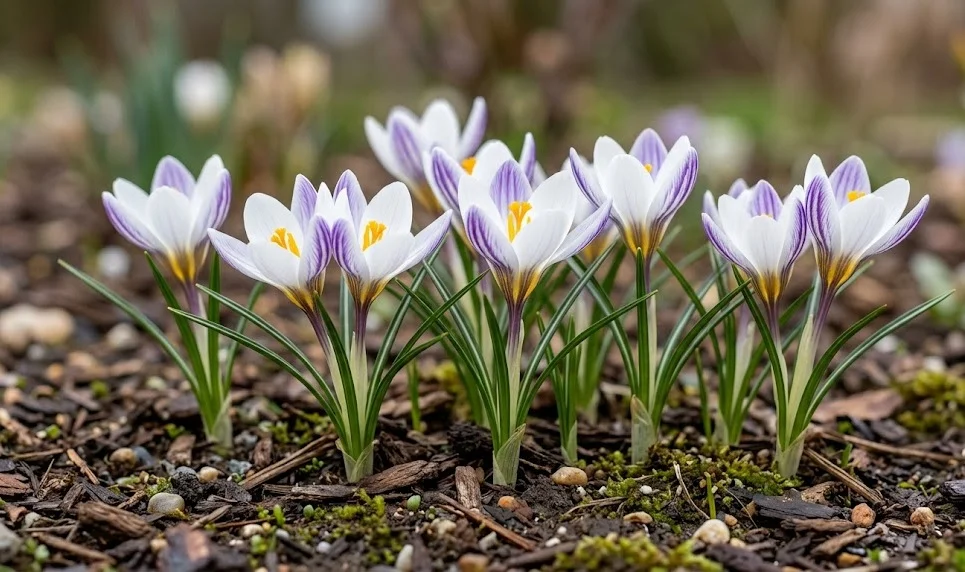
The color and markings of the silvery crocus are often more intense when the plants are grown in bright light. The delicate silver-gray and violet tones for which this variety is known are a direct result of the plant’s reaction to ultraviolet radiation. In low-light conditions, these colors may appear washed out or less distinct, diminishing the aesthetic value of the garden. A professional gardener knows that light is a key “ingredient” in the recipe for beautiful, high-quality flowers.
Soil moisture management becomes even more critical when growing bulbs in shaded areas of the garden. Because there is less sun to evaporate surface water, shaded soil tends to stay damp for longer periods, increasing the risk of rot. When planting in partial shade, it is wise to be even more diligent about ensuring perfect drainage and avoiding over-watering. Professionalism in gardening involves adjusting all care factors in response to the specific light levels of each site.
If you are forced to plant in a shadier spot, consider using white or light-colored varieties of crocus that “pop” visually in the dim light. The silvery crocus is particularly good for this because its reflective petals can catch even small amounts of light and glow in the shade. Using the reflective properties of the plants themselves is a professional trick to brighten up the darker corners of the spring garden. Strategic planting based on light and color is a hallmark of sophisticated garden design.
Light influence on dormancy and storage
The amount of light the foliage receives after the flowering period is perhaps the most critical factor in the plant’s long-term survival. This is the time when the plant is photosynthesizing at its maximum rate to rebuild the energy reserves in the bulb. If the leaves are shaded by faster-growing perennials or tall weeds, the bulb will be “starved” for the next year. Professional gardeners ensure that the crocus foliage has clear access to the sun for as long as it remains green.
Avoid the practice of “braiding” or tying back the crocus leaves to make the garden look neater after blooming. This significantly reduces the surface area exposed to the light and prevents the plant from gathering the energy it needs. Instead, allow the leaves to spread out naturally and catch the sun from all angles. A professional-looking garden can still be maintained by planting other perennials nearby that will grow up and hide the fading crocus foliage.
When bulbs are lifted for storage or propagation, they should be kept in a dark, well-ventilated place. Exposure to light during the storage phase can sometimes trigger premature sprouting or damage the delicate tissues of the bulb. The goal of storage is to maintain a state of total dormancy, and a dark environment is a key part of that process. Professional bulb handlers always use opaque containers or dark storage rooms to ensure the highest quality for the next planting season.
Finally, when replanting or starting new beds, consider the orientation of your garden rows or drifts in relation to the sun. Planting in north-south oriented drifts ensures that each plant receives an equal amount of sunlight throughout the day. This simple planning step can lead to a more uniform bloom and a more professional-looking garden display. Attention to the subtle details of light management is what separates an amateur effort from a professional horticultural masterpiece.