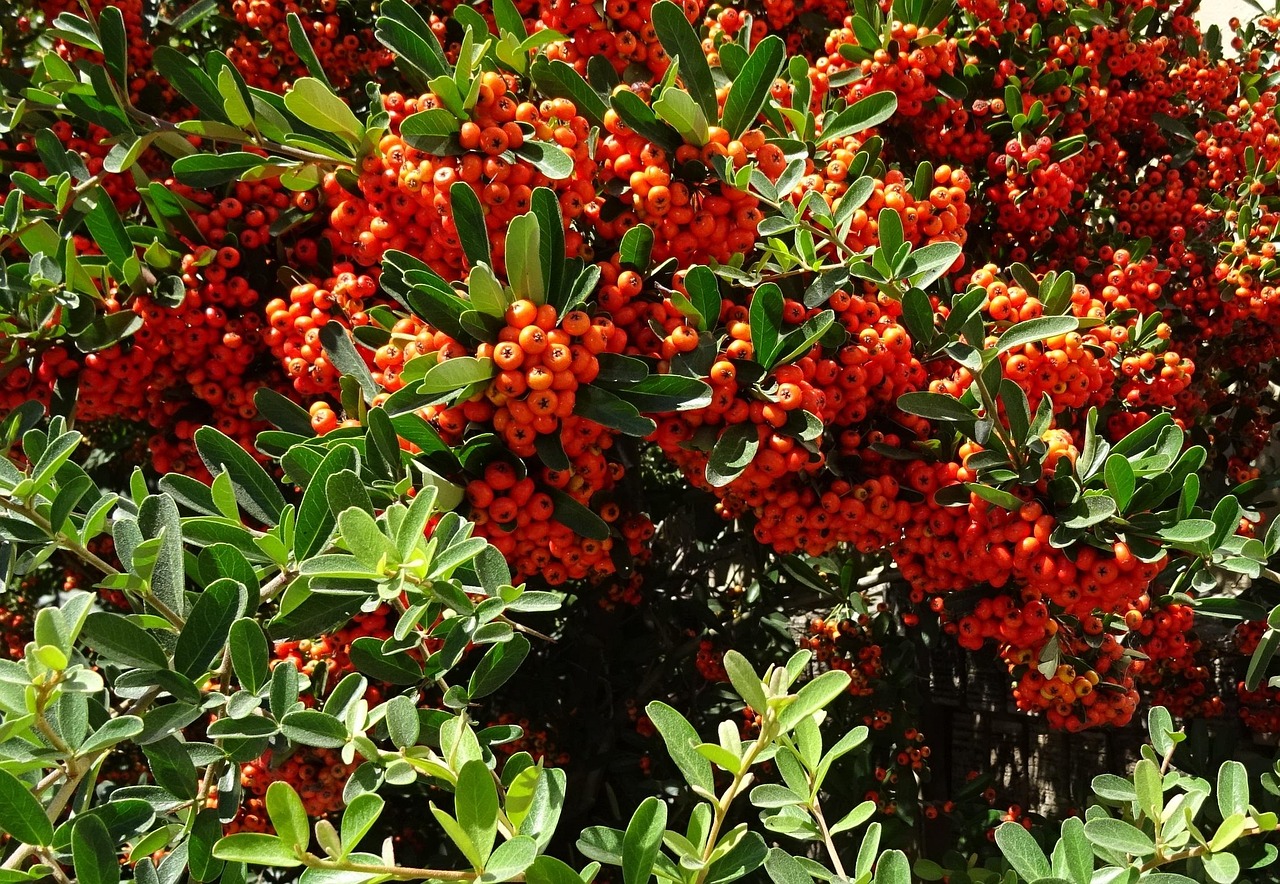

Providing the right balance of water and nutrients is fundamental to cultivating a healthy and visually stunning Pyracantha. This resilient shrub is known for its tolerance to a range of conditions, but a considered approach to its hydration and nutritional needs will ensure it not only survives but truly flourishes. Proper watering techniques are especially crucial during the plant’s establishment phase, helping it to develop a deep and robust root system. Similarly, while firethorn is not a heavy feeder, understanding when and how to provide supplementary nutrients can significantly enhance its growth, flower production, and the subsequent vibrant display of berries that makes it such a garden favorite.
For a newly planted firethorn, consistent moisture is key to its successful establishment. During its first year in the ground, the plant’s root system is still developing and exploring the surrounding soil, making it more susceptible to drying out. It is important to water the shrub deeply once or twice a week, particularly during periods with little rainfall. Deep watering encourages the roots to grow downwards in search of moisture, which ultimately makes the plant more drought-resistant in the long term. A good rule of thumb is to ensure the soil is moist but never waterlogged, as saturated conditions can deprive the roots of oxygen.
As the plant matures, its watering needs decrease significantly. An established Pyracantha, typically after its second or third year, develops an extensive root system that is very effective at finding its own water. This makes it a remarkably drought-tolerant shrub, ideal for low-maintenance or water-wise gardens. In most temperate climates, established plants will require little to no supplemental watering, obtaining sufficient moisture from natural rainfall. The exception would be during prolonged and severe droughts, where a deep soaking every few weeks can prevent stress.
The method of watering is also an important consideration. It is always best to apply water directly to the soil at the base of the plant, rather than spraying it over the foliage. Wetting the leaves, especially in the evening, can create a damp environment that is conducive to the development of fungal diseases such as Pyracantha scab or black spot. Using a soaker hose or simply letting a regular hose trickle slowly at the base of the shrub are effective methods for delivering water directly to the root zone where it is needed most.
Fertilization requirements
Pyracantha is generally not a demanding plant when it comes to nutrients and will often perform perfectly well in average garden soil without any additional feeding. In fact, over-fertilizing can be counterproductive. Applying too much fertilizer, especially those high in nitrogen, can stimulate a great deal of lush, leafy green growth at the expense of flowers and berries. This soft, rapid growth is also more attractive to sap-sucking pests like aphids and can be more susceptible to diseases like fire blight.
More articles on this topic
The best way to provide nutrients is to focus on improving the soil’s overall health and structure. Incorporating well-rotted organic matter, such as garden compost or manure, into the soil at the time of planting provides a fantastic start. This can be supplemented by applying a top-dressing of the same organic material around the base of the plant each spring. As this mulch breaks down, it slowly and gently releases a balanced range of nutrients into the soil, feeding the plant in a natural and sustainable way.
If your soil is particularly poor or sandy, or if the plant shows signs of a nutrient deficiency like yellowing leaves (chlorosis), a light application of a general-purpose, balanced fertilizer may be beneficial. If you choose to use a granular fertilizer, apply it in early spring as new growth begins, following the manufacturer’s instructions carefully to avoid over-application. A slow-release formulation is often the best choice, as it provides a steady supply of nutrients over an extended period rather than a single, sudden burst.
For a more targeted approach, you can perform a soil test to determine if any specific nutrients are lacking. For example, if the soil is deficient in phosphorus, which is important for flower and fruit development, a fertilizer with a higher middle number (P in the N-P-K ratio) could be beneficial. However, for most garden situations, this level of detail is unnecessary, and an annual application of organic compost will provide all the nutrition your firethorn needs to thrive.
Mulching for moisture and nutrients
Mulching is a highly beneficial practice in the care of Pyracantha, contributing to both its water and nutrient needs. Applying a layer of organic mulch, such as wood chips, shredded bark, or garden compost, around the base of the shrub offers multiple advantages. One of the primary benefits is moisture conservation. The mulch acts as a barrier, reducing the rate of water evaporation from the soil surface, which means the soil stays moist for longer after watering or rainfall, reducing the need for supplemental irrigation.
More articles on this topic
This layer of mulch also plays a crucial role in suppressing weed growth. Weeds compete with the firethorn for water, nutrients, and light, so preventing their germination and growth allows the shrub to access all the available resources. A mulch layer of about 5 to 8 centimeters is usually sufficient to block sunlight from reaching weed seeds, effectively smothering them before they can become established. This reduces the need for manual weeding or the use of herbicides around the plant.
Furthermore, organic mulches provide a slow-release source of nutrients. As the mulch material gradually decomposes over time, it is broken down by soil organisms, releasing essential nutrients into the soil in a form that the plant’s roots can easily absorb. This process mimics the natural nutrient cycling that occurs in a forest and leads to a continuous improvement in soil fertility and structure. It is a simple and effective way to feed your plant while also enhancing the overall health of your garden soil.
When applying mulch, it is important to do it correctly. Spread the mulch evenly over the root zone of the plant, which typically extends out to the edge of its canopy or “drip line.” However, make sure to leave a small, mulch-free circle directly around the main stem of the shrub. Piling mulch up against the stem can trap moisture, creating a damp environment that may lead to bark rot and other diseases, potentially harming or even killing the plant.
Recognizing signs of stress
Observing your Pyracantha for signs of water or nutrient-related stress is a key part of its ongoing care. An under-watered plant will often show wilting or drooping leaves, especially during the hottest part of the day. The leaves may also start to turn yellow or brown and become crispy, and in severe cases, the plant may begin to shed its leaves to conserve moisture. If you notice these symptoms, a deep and thorough watering is needed to rehydrate the plant.
Conversely, over-watering can be just as damaging, if not more so. A common symptom of waterlogged soil is yellowing leaves, which can often be confused with a lack of water. However, in this case, the leaves may feel soft or limp rather than crispy. The plant’s growth may also be stunted, and in advanced stages, the roots can begin to rot, leading to the decline and eventual death of the shrub. If you suspect over-watering, it is crucial to allow the soil to dry out and adjust your watering schedule accordingly, ensuring the soil has proper drainage.
Nutrient deficiencies can also manifest through visible symptoms in the foliage. The most common is chlorosis, a condition where the leaves turn a pale green or yellow due to a lack of chlorophyll. This is often caused by a deficiency in iron, especially in alkaline soils, or nitrogen. Iron chlorosis typically appears as yellowing between the leaf veins while the veins themselves remain green, whereas a nitrogen deficiency usually results in a more uniform yellowing of the older, lower leaves first.
If you identify signs of a nutrient deficiency, the first step should be to apply a top-dressing of compost, which can often rectify minor imbalances. If the problem persists, a targeted application of a suitable fertilizer may be necessary. For iron chlorosis, a chelated iron supplement can be applied either to the soil or as a foliar spray for a quicker, though temporary, fix. Addressing these stress signals promptly will help to keep your firethorn healthy, vigorous, and productive.
Special considerations for containers
Growing Pyracantha in containers requires a more attentive approach to watering and fertilizing compared to plants grown in the ground. The limited volume of soil in a pot can dry out much more quickly, especially on warm, windy days. During the growing season, it is essential to check the moisture level of the compost regularly, often daily. Water the plant thoroughly whenever the top few centimeters of compost feel dry to the touch, allowing excess water to drain freely from the bottom of the pot.
Because of this frequent watering, nutrients are also leached out of the container compost more rapidly. This means that container-grown firethorns will need more regular feeding to replenish these lost nutrients. From spring through to late summer, it is beneficial to apply a balanced, liquid fertilizer every two to four weeks. Alternatively, you can mix slow-release fertilizer granules into the compost at the beginning of the season, which will provide a steady supply of nutrients over several months.
The type of compost used in the container is also important. A soil-based compost, such as a John Innes No. 3, is often a better choice than a multi-purpose, peat-based compost for long-term container planting. Soil-based composts are heavier, providing better stability for the shrub, and they are also better at retaining both water and nutrients. It is also a good practice to repot the firethorn every two to three years into a slightly larger container with fresh compost to provide more space for root growth and to replenish the growing medium.
During the winter months, the watering and feeding schedule for container plants should be adjusted significantly. As the plant’s growth slows down, its need for water and nutrients decreases. Over-watering during winter is a common mistake and can easily lead to root rot. Check the compost periodically and water only when necessary to prevent it from drying out completely. Fertilizing should be stopped altogether from autumn until the following spring when new growth resumes.
Proper watering is crucial for the health of a newly planted pyracantha, as this post correctly notes. During the first year, it’s important to provide a deep soaking once or twice a week, depending on the weather and soil conditions. This helps the roots to establish themselves and encourages the plant to grow strong and healthy. Once the shrub is well-established, it becomes much more drought-tolerant and can usually handle a bit of neglect. I also recommend a balanced fertilizer applied in early spring to give the plant a good start for the growing season. Consistency is key when it comes to watering and feeding your firethorns. Thanks for the professional advice!
I completely agree with the importance of deep watering during the first year. I’ve seen so many people lose their new firethorns because they were only giving them a light sprinkle every day. The water needs to penetrate deep into the soil to reach those growing roots. I also like to use a layer of mulch around the base of the plant to help retain moisture and keep the roots cool. It’s such a simple step that can make a huge difference in the success of your planting project. Thanks for sharing your professional expertise and for helping us keep our firethorns healthy and beautiful!
One thing to watch out for when fertilizing pyracantha is over-fertilizing with nitrogen. Too much nitrogen can lead to a lot of lush green growth but very few flowers and berries. It can also make the plant more susceptible to diseases like fire blight. I recommend using a balanced fertilizer with a slightly higher potassium content to encourage those beautiful blooms and berries. It’s also a good idea to avoid fertilizing in late summer or fall, as this can stimulate new growth that won’t have time to harden off before the first frost. Proper feeding is all about balance and timing. Thanks for the great information on watering and fertilizing these beautiful shrubs!
That’s a great tip about the nitrogen, Dave! I hadn’t thought about how it could affect the flowering and berry production of my firethorns. I’ll definitely be more careful with the type of fertilizer I use from now on. I also appreciate the advice on when to fertilize, as I’ve definitely made the mistake of feeding my plants too late in the season in the past. It’s always so helpful to learn more about the specific needs of different types of shrubs. Thanks for sharing your insights and for helping us become better gardeners!
I’ve found that using a drip irrigation system is a great way to provide consistent moisture for my firethorns without wasting water. It delivers the water directly to the base of the plant, which helps keep the foliage dry and reduces the risk of fungal diseases. I also like to use a timer to ensure my plants get exactly the right amount of water at the best time of day. It’s a bit of an investment up front, but it saves so much time and effort in the long run. Plus, it’s a much more sustainable way to water your garden. Thanks for all the helpful tips and for sharing your passion for gardening!