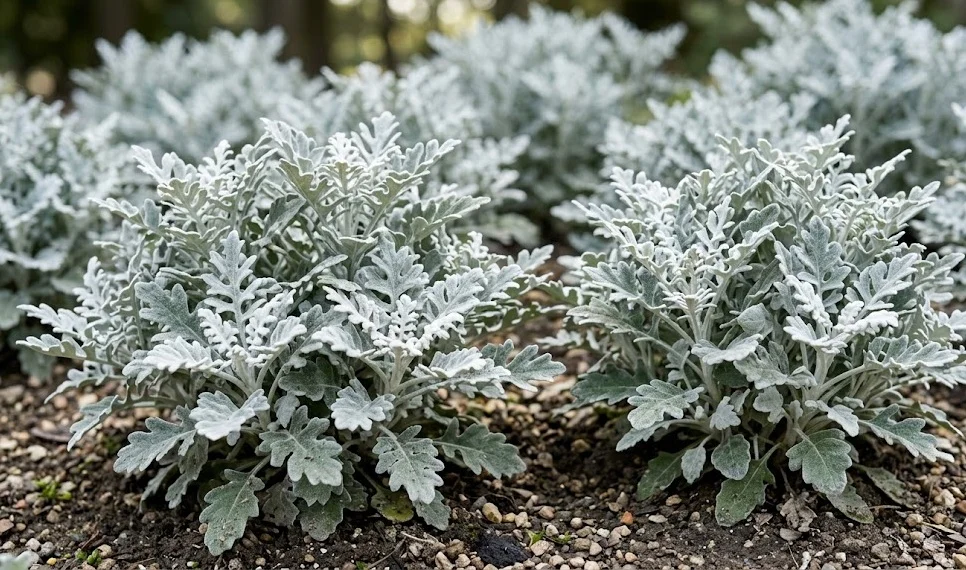

The resilience of silver ragwort is one of its most attractive qualities for many gardeners, yet it is not entirely immune to the challenges of the natural world. Maintaining a healthy specimen involves a proactive approach to identifying and managing various diseases and pests that can occasionally threaten its beauty. By understanding the common issues that affect this species, you can intervene early and protect your plants from significant damage. A well-informed gardener is the best defense against the environmental stressors that can mar the appearance of these stunning silver leaves.
Fungal diseases are perhaps the most common problem faced by silver ragwort, particularly in climates that experience high humidity or frequent rainfall. Powdery mildew is a frequent culprit, appearing as a white, flour-like substance on the surface of the leaves that can eventually lead to distortion or yellowing. This fungus thrives in areas with poor air circulation, so ensuring your plants are spaced correctly is a vital preventative measure. If you notice signs of mildew, you should act quickly to improve the environment and remove any heavily infected foliage to prevent the spread.
Another fungal concern is rust, which presents as small, orange or brown pustules on the undersides of the leaves, often accompanied by yellow spots on the upper surface. This disease can weaken the plant over time by interfering with its ability to photosynthesize effectively, leading to a general decline in vigor. Rust spores are often spread by splashing water, which is why it is so important to water the soil directly rather than the leaves. Keeping the garden area clean and free of fallen debris can also help reduce the local population of fungal spores.
Root rot and crown rot are serious conditions that are almost always caused by over-watering or poorly drained soil. These issues are often invisible until the damage is extensive, with the first symptoms being a sudden wilting of the entire plant or a darkening at the base of the stems. Because silver ragwort is a Mediterranean plant, its roots are not equipped to handle stagnant water for any length of time. Once rot has taken hold, it is very difficult to save the plant, making prevention through proper soil preparation the only reliable strategy.
Common insect pests and their management
While silver ragwort is not particularly tasty to most common garden pests, it can sometimes attract aphids, especially when the weather is warm and the plant is producing soft, new growth. These tiny, sap-sucking insects can cause the leaves to curl and become stunted, often leaving behind a sticky substance known as honeydew. You can usually manage a minor aphid infestation by simply spraying them off with a strong stream of water from your garden hose. For more persistent problems, using an organic insecticidal soap is a safe and effective way to protect your plants.
More articles on this topic
Whiteflies are another potential pest that may target silver ragwort, often hiding on the undersides of the leaves and flying up in a small cloud when the plant is disturbed. Like aphids, they feed on the plant’s juices and can transmit viral diseases that are much harder to treat than the insects themselves. Yellow sticky traps placed near your plants can help monitor the population and catch many of the adults before they can lay more eggs. Encouraging natural predators like ladybugs and lacewings into your garden will provide a long-term, sustainable solution for managing whitefly levels.
Slugs and snails can occasionally be an issue, particularly during wet spring weather when the young shoots of the silver ragwort are most vulnerable. These nocturnal pests can chew large holes in the foliage, leaving behind unsightly trails of slime that ruin the aesthetic of the plant. You can manage their numbers by removing any hiding places, such as large rocks or piles of leaves, near your garden beds. Using barriers like crushed eggshells or copper tape can also be effective at keeping these slimy invaders away from your prized specimens.
Spider mites are a threat during hot, dry weather when the air humidity is low and the plant may be slightly stressed by the heat. These microscopic pests create fine webbing between the leaves and can cause the silver foliage to look bleached or speckled with tiny yellow dots. Increasing the humidity around the plant by lightly misting the surrounding area (not the leaves) can help discourage mites from taking up residence. If an infestation becomes severe, you may need to use a specialized miticide to get the situation back under control.
Preventive measures and cultural controls
The best way to manage any pest or disease is to prevent it from ever becoming a problem in the first place through good gardening practices. Ensuring that your silver ragwort is planted in the right location with plenty of sunlight and excellent drainage is the single most important factor in its health. A stressed plant is much more likely to fall victim to insects and fungi than one that is thriving in its ideal environment. Regular observation will allow you to spot the very first signs of trouble before they have a chance to escalate.
More articles on this topic
Sanitation is another critical component of a healthy garden, as many pathogens and pests overwinter in dead plant material or contaminated soil. At the end of the growing season, make sure to clear away any dead leaves or stems from around your silver ragwort to remove potential hiding spots for pests. You should also be careful to clean your gardening tools with a disinfectant between uses to avoid spreading diseases from one plant to another. These simple habits can make a huge difference in the overall cleanliness and health of your entire landscape.
Crop rotation, while more common in vegetable gardening, can also be applied to ornamental beds to break the life cycles of certain soil-borne pathogens. If you have a particular spot where silver ragwort has struggled with disease in the past, consider planting a different, unrelated species there for a year or two. This allows the local population of pests or fungi to die out without a suitable host to feed on. Diversifying your plantings also creates a more stable ecosystem where no single pest can dominate the entire garden.
Providing adequate space between plants is not just about looks; it is essential for maintaining the airflow that keeps the foliage dry and healthy. When plants are crowded together, the air becomes stagnant and humidity levels rise, creating a perfect environment for fungal spores to germinate. By following the recommended spacing guidelines for silver ragwort, you are giving each plant the best possible chance to resist infection. This also makes it much easier for you to inspect the plants and apply any necessary treatments if a problem does arise.
Organic and chemical treatment options
When an intervention is necessary, many gardeners prefer to start with organic or low-impact treatments to protect the surrounding environment and beneficial insects. Neem oil is a popular choice for managing a wide range of both pests and fungal diseases, as it works by disrupting the life cycles of insects and preventing fungal spores from growing. It is relatively safe to use and can be applied to the foliage according to the manufacturer’s instructions. Always test a small area of the plant first to make sure it doesn’t have an adverse reaction to the oil.
If organic methods are not sufficient to handle a major outbreak, you may need to consider using synthetic fungicides or insecticides to save your plants. It is crucial to choose a product that is specifically labeled for the problem you are facing and to follow all safety precautions carefully. You should avoid applying these chemicals when pollinators like bees and butterflies are active, as many products can be harmful to them. Using targeted treatments rather than broad-spectrum sprays will help minimize the impact on the rest of your garden’s inhabitants.
Biological controls, such as releasing beneficial insects or using microbial pesticides, are becoming more popular as gardeners look for more sustainable solutions. For example, using Bacillus thuringiensis (Bt) can be very effective against certain types of larvae without harming other organisms. You can also purchase “good” nematodes to add to the soil to manage various underground pests like root-feeding larvae. These methods work with nature rather than against it, providing a more balanced approach to pest management in the long run.
Ultimately, the choice of treatment will depend on your personal gardening philosophy and the severity of the issue you are facing. Some people are comfortable with a few holes in their leaves as long as the plant remains generally healthy, while others want every specimen to be perfect. Whatever your approach, being consistent and well-informed will help you make the right decisions for your garden. With a little care and attention, your silver ragwort will continue to be a beautiful and resilient part of your outdoor space.
Long-term monitoring and plant health
Maintaining the health of your silver ragwort is an ongoing process that requires regular monitoring throughout the entire growing season. You should make it a habit to inspect your plants every time you water or weed the garden, looking for any changes in color, texture, or growth pattern. Early detection is often the key to successfully managing a problem before it causes permanent damage to the foliage. Keeping a garden journal can help you track recurring issues and note which treatments were most effective in your specific climate.
As your plants age, they may become naturally more susceptible to certain stresses, and you may need to adjust your care routine accordingly. Rejuvenating an older plant through careful pruning can sometimes help improve its health by encouraging fresh, vigorous growth that is more resistant to pests and diseases. However, there comes a time when it is better to replace an old, struggling plant with a new, healthy one to prevent it from becoming a reservoir for pathogens. This cycle of renewal is a natural part of gardening and ensures your landscape always looks its best.
Soil health is also a long-term consideration, as the balance of nutrients and microbes can change over time. Regularly adding organic matter and ensuring proper drainage will keep the soil environment favorable for your silver ragwort and its beneficial neighbors. You might also consider using a mycorrhizal inoculant when planting to help the roots establish a symbiotic relationship with beneficial fungi. This can significantly enhance the plant’s ability to absorb water and nutrients and improve its overall resistance to environmental stress.
By taking a holistic view of plant health, you can create a garden that is not only beautiful but also resilient and sustainable. Silver ragwort is a wonderful plant that brings so much to the landscape, and with the right care, it will thrive for years to come. Remember that every challenge is an opportunity to learn more about the fascinating world of horticulture and to become a better gardener. Stay curious, stay observant, and enjoy the process of tending to your own piece of silver-shimmering paradise.