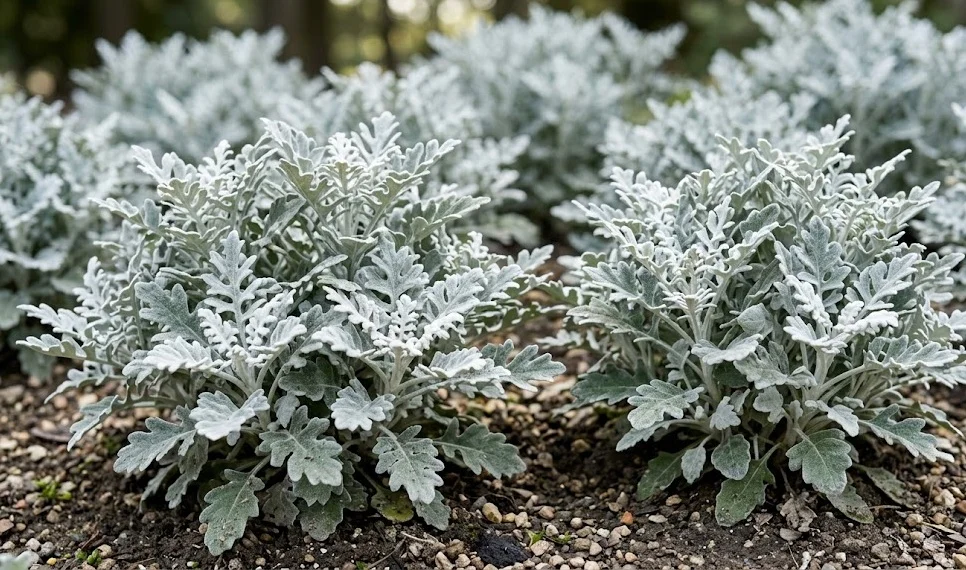

Maintaining the elegant and compact form of silver ragwort is a task that requires a thoughtful approach to pruning and seasonal cutting back. While the plant is naturally inclined toward a tidy growth habit, it can occasionally become leggy or woody without the guiding hand of a gardener. Pruning is not just about aesthetics; it is also a vital practice for promoting the overall health and longevity of the specimen. By learning the proper techniques and timing for trimming your silver ragwort, you can ensure it remains a vibrant and structurally sound part of your landscape for many years.
The primary reason most gardeners prune silver ragwort is to control its shape and prevent it from becoming too sprawling or unkempt. As the plant grows, its lower stems can sometimes become bare and woody, which detracts from the lush, silvery appearance of the foliage. Regular, light trimming throughout the growing season can help encourage the plant to produce fresh new growth from the base, keeping it looking full and youthful. It is always better to do a little bit of pruning frequently rather than waiting until the plant needs a drastic and potentially stressful overhaul.
Another important aspect of pruning is the removal of the yellow, daisy-like flowers that silver ragwort produces in the summer. While some people find the flowers charming, most professional landscapers prefer to remove them as soon as they appear to keep the focus on the plant’s stunning foliage. Cutting off the flower stalks also prevents the plant from putting its energy into seed production, which can sometimes lead to a decline in leaf quality. By “deadheading” the blooms, you signal to the plant that it should continue to invest its resources in its beautiful silver leaves instead.
Before you begin any pruning task, it is essential to ensure that your tools are sharp and clean to prevent the spread of disease. A pair of high-quality hand pruners or garden shears is usually all that is needed to handle the relatively soft stems of the silver ragwort. You should make your cuts at a slight angle just above a leaf node or a set of healthy leaves to encourage new shoots to grow in the desired direction. Taking the time to do a clean job will help the plant heal quickly and reduce the risk of any fungal infections at the site of the cut.
Timing your pruning for maximum effect
The best time for a major pruning or cutting back of silver ragwort is in the early spring, just as the first signs of new growth begin to emerge. This allows you to remove any winter damage or dead wood and shape the plant before it puts all its energy into the season’s new foliage. You should look for the small, silver buds that are starting to swell along the stems and make your cuts just above them to ensure a quick and healthy recovery. Spring pruning gives the plant a fresh start and sets the stage for a beautiful display throughout the coming months.
More articles on this topic
During the peak of the summer, you can perform light maintenance pruning to keep the plant within its allocated space and maintain its rounded form. This is especially useful if you are using silver ragwort as a border or a low hedge where a consistent shape is important for the overall design. You should avoid heavy pruning during periods of extreme heat or drought, as this can add unnecessary stress to the plant when it is already struggling to stay hydrated. A light “haircut” on a cooler day is much better for the plant’s overall well-being and appearance.
In the autumn, it is generally best to leave the plant alone and avoid any significant cutting back as the weather starts to cool. As mentioned in the overwintering section, the existing foliage provides a natural layer of protection for the crown of the plant during the winter months. If you prune too late in the year, you may stimulate new growth that won’t have time to harden off before the first frost, leading to unnecessary damage. A tidy-up can wait until the following spring when the plant is ready to grow vigorously once again.
If you are growing silver ragwort as an annual in a colder climate, you may not need to worry as much about long-term pruning strategies. However, even annual plants benefit from occasional trimming to keep them looking their best in a container or a mixed border. You can be a bit more aggressive with your pruning if you know the plant won’t need to survive the winter, focusing purely on maintaining the aesthetic you want for the season. Understanding the lifecycle of your plant in your specific climate will help you decide the best approach for your pruning routine.
Techniques for rejuvenating older plants
If you have a silver ragwort specimen that has become very woody and sparse over the years, you may be able to rejuvenate it through a more drastic pruning technique. This involves cutting the entire plant back to about four to six inches above the ground in the early spring, which can stimulate a flush of brand-new, healthy growth from the base. This “renewal pruning” is a bit of a gamble, as not all old plants will recover, but it is often worth the risk to save a large or particularly well-placed specimen. Make sure the plant is healthy and well-watered before attempting such a major intervention.
More articles on this topic
After a renewal pruning, you should be extra careful to provide the plant with optimal care, including regular watering and a light application of balanced fertilizer. The sudden loss of its foliage means the plant will need to work hard to rebuild its canopy, so any extra support you can give it will be greatly appreciated. You will soon see tiny silver shoots appearing from the old wood, and within a few months, the plant should look much fuller and more vibrant than it did before. This process can give an old plant a whole new lease on life and extend its presence in your garden.
For plants that are part of a structured hedge or a formal knot garden, you may need to use a more precise pruning technique to maintain the sharp lines of the design. This involves using hedging shears to lightly trim the outer surface of the plants several times during the growing season. While this can result in a slightly less natural look, it is necessary for maintaining the architectural integrity of formal garden styles. Just be careful not to cut too deep into the woody interior, as silver ragwort does not always sprout easily from very old, bare stems.
Finally, remember that pruning is a skill that improves with practice and observation, and every plant will react slightly differently to being trimmed. Don’t be afraid to experiment with different levels of pruning until you find the style that works best for your garden and your aesthetic preferences. Silver ragwort is a resilient and forgiving plant that usually responds very well to a gardener’s attention. With a little care and the right techniques, your silver-shimmering plants will continue to be a source of pride and beauty in your outdoor space for seasons to come.