
Understanding the light preferences of the mole plant is fundamental to achieving the symmetrical, architectural growth that makes this species so desirable. As a plant native to the sun-drenched regions of the Mediterranean and parts of Asia, it has evolved to thrive in high-light environments. You must provide a location that mimics these conditions to prevent the stems from becoming weak or distorted. A professional assessment of your garden’s light patterns is the first step toward a successful planting.
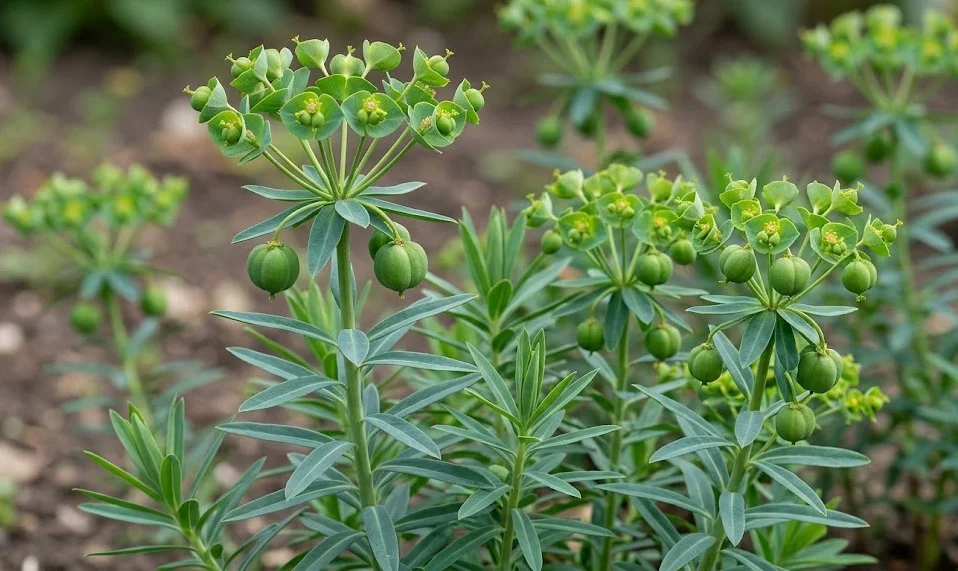
Full sun is the gold standard for the mole plant, meaning it should receive at least six to eight hours of direct sunlight each day. Under these conditions, the plant develops its characteristic compact form and the bluish-grey waxy coating on its leaves remains vibrant. This waxy layer, known as the glaucous bloom, acts as a natural sunscreen that protects the internal tissues from intense ultraviolet radiation. Without enough light, this coating may become thinner, and the plant will take on a more ordinary green appearance.
When a mole plant is grown in insufficient light, it will undergo a process known as etiolation, where the stem stretches unnaturally as it “searches” for the sun. This leads to a leggy, unattractive specimen that often lacks the strength to stand upright without assistance. The leaves also tend to be spaced further apart, ruining the geometric precision that gardeners value so highly. To avoid this, always prioritize the brightest spots in your garden for this particular species, even if it means moving other plants to accommodate it.
While the plant is sun-loving, it is also remarkably adaptable and can tolerate very light, dappled shade for part of the day. However, you should monitor the plant closely to ensure it is not leaning excessively toward the strongest light source. If you notice a persistent lean, it is a clear indication that the current location is too shaded for optimal health. In such cases, it is often better to transplant the specimen to a more open area before the taproot becomes too established to move successfully.
Light quality and seasonal changes
The quality of light is just as important as the quantity, with direct, unobstructed sunlight providing the full spectrum of energy the plant needs. Light filtered through glass or heavy tree canopies lacks some of the essential wavelengths that trigger the plant’s natural growth regulators. This is why indoor specimens or those grown in deep shade often fail to produce the thick, sturdy stems seen in the wild. Ensuring that the plant has a clear view of the sky from above is the best way to guarantee high-quality light exposure.
More articles on this topic
Seasonal shifts in the sun’s path can significantly change the light levels in different parts of your garden throughout the year. A spot that is in full sun during the summer may be in deep shadow during the winter when the sun is lower in the sky. For a biennial like the mole plant, which must survive through all seasons, choosing a location with consistent light is vital. Observe your garden during the winter months to identify areas that remain bright and sunny even on shorter days.
Reflected light can also play a role in the plant’s development, especially if it is planted near a white wall or a light-colored fence. This additional light can be beneficial in cooler climates, as it increases the overall energy available to the plant and helps warm the surrounding soil. However, in very hot regions, this reflected heat can sometimes be too intense and may lead to leaf scorch if the plant is not properly hydrated. Balancing direct and reflected light is part of the art of professional garden placement.
The role of light in the flowering process of the second-year plant cannot be overstated. The transition from vegetative growth to blooming is often triggered by changes in day length, a phenomenon known as photoperiodism. Ensuring the plant is in a natural light cycle, free from intense artificial light at night, helps maintain its biological clock. This alignment with the natural seasons ensures that the flowers and seeds develop at the optimal time for successful reproduction.
Phototropism and structural integrity
Phototropism is the natural tendency of plants to grow toward their primary light source, and the mole plant is particularly sensitive to this. In a perfectly lit environment, the central stem will grow straight up, creating the iconic pillar-like form. However, if the light is significantly stronger on one side, the plant will slowly curve in that direction, compromising its architectural impact. You can sometimes correct a minor lean by thinning out surrounding vegetation that may be casting uneven shadows.
More articles on this topic
The structural integrity of the plant is directly linked to the amount of light it receives during its early development. High light levels encourage the production of thicker cell walls and a more robust internal vascular system. This “hardened” growth is much better at supporting the weight of the large flowering structures that appear in the second year. A plant that started its life in the sun will always be more resilient and less prone to storm damage than one grown in the shade.
If you are growing mole plants in a row or a group, pay attention to how they might shade each other as they grow taller. Proper spacing allows light to reach the lower leaves of every plant, preventing them from yellowing and dropping prematurely. Keeping the entire stem bathed in light ensures that the foliage remains dense and attractive from the base to the tip. This uniform exposure is the key to creating a dramatic, healthy-looking colony of plants that stands out in any landscape.
In conclusion, light is perhaps the most important environmental factor you can control when growing the mole plant. By respecting its need for intense, direct sunlight, you set the stage for a spectacular display of biennial growth. A well-lit mole plant is a healthy, sturdy, and beautiful addition to the garden that requires very little extra help to reach its full potential. Always remember that when it comes to this species, the sun is its greatest ally and the foundation of its unique beauty.