
Watering and fertilization of cotton lavender are two of the most misunderstood aspects of caring for this resilient Mediterranean species. Many gardeners, accustomed to the needs of more traditional perennials, tend to provide too much of both, which can lead to a rapid decline in the plant’s health. Cotton lavender has evolved to thrive in environments where resources are scarce and the sun is intense, making it a master of efficiency. Understanding the delicate balance between providing necessary support and allowing the plant to exert its natural toughness is the key to horticultural success. This article explores the professional techniques for managing hydration and nutrients to ensure your shrubs remain compact, fragrant, and vibrant.
The fundamental rule for watering cotton lavender is to always err on the side of dryness rather than saturation. The plant’s root system is highly sensitive to standing water, which can lead to the rapid onset of root rot and other fungal pathogens. In its native habitat, the shrub often goes for long periods without any rainfall, relying on its deep roots and specialized foliage to survive. In a garden setting, your task is to supplement natural rainfall only when the environmental conditions become truly extreme. By observing the soil and the plant’s reaction to heat, you can develop a watering schedule that respects its biological limits.
Fertilization should be approached with a similar level of restraint to prevent the development of weak and unattractive growth. Over-fertilized cotton lavender often loses its tight, mounded shape and becomes sprawling and leggy, which significantly diminishes its ornamental value. The silver-gray color of the leaves is also most intense when the plant is grown in relatively lean soil with minimal nitrogen input. You should view fertilizer as a rare supplement rather than a routine necessity for this particular species. Focusing on soil structure and drainage will do far more for the plant’s health than any bottle of chemical nutrients ever could.
Developing a professional intuition for when to intervene requires careful observation of the plant throughout the changing seasons. You will notice that the needs of the shrub fluctuate based on the temperature, humidity levels, and its current stage of growth. A young, newly planted specimen will require more frequent attention than an established one that has already sent its roots deep into the earth. However, even for young plants, the goal is to encourage independence as quickly as possible. This approach not only results in a hardier plant but also creates a more sustainable and low-maintenance garden for you to enjoy.
Principles of effective irrigation and hydration
Irrigation for cotton lavender should always be deep and infrequent to encourage the roots to grow downward into the cooler, moister layers of the soil. Frequent, shallow watering keeps the roots near the surface, where they are more vulnerable to heat stress and fluctuations in moisture levels. You should apply water slowly at the base of the plant, allowing it to soak in thoroughly rather than running off the surface. This method ensures that the entire root zone is hydrated without leaving the crown of the plant sitting in a puddle. A deep soak once every week or two during dry spells is far better than a light sprinkle every day.
More articles on this topic
The timing of your watering sessions can have a significant impact on the health of the silver foliage and the overall humidity around the plant. It is best to water in the early morning hours, which allows any stray droplets on the leaves to evaporate quickly as the sun rises. Watering in the evening can leave the plant damp throughout the night, creating an ideal environment for mold and mildew to take hold. Since cotton lavender is particularly susceptible to internal rot in humid conditions, keeping the foliage dry is a top priority. A morning routine aligns with the plant’s natural cycle and provides the hydration it needs for the heat of the day.
Soil moisture sensors or the simple “finger test” are invaluable tools for determining if it is truly time to bring out the hose. Before watering, check the soil at a depth of two or three inches; if it still feels slightly damp, the plant does not need more water. You must remember that the surface of the soil often dries out much faster than the area where the roots are actually located. Trusting the data provided by a quick check will prevent the most common mistake in Mediterranean gardening: overwatering out of fear. Consistency in this practice leads to a much more resilient and self-sufficient landscape over time.
During the dormant winter months, the watering needs of cotton lavender drop almost to zero, especially in regions with natural precipitation. The combination of cold temperatures and wet soil is particularly lethal for this species, as the roots are not active enough to process the moisture. You should only consider watering in winter if there has been an extended period of dry weather and the ground is not frozen. Even then, a very light application is all that is required to prevent the root ball from completely desiccating. Respecting the plant’s need for a dry winter rest is essential for its survival and its vigorous return in the spring.
Strategic nutrient application and soil amendments
If you determine that your cotton lavender requires a nutritional boost, the choice of fertilizer and the method of application are critical. A balanced, slow-release granular fertilizer with a low nitrogen ratio is the safest option for maintaining the plant’s compact form. Nitrogen is the element responsible for green, leafy growth, but in excess, it makes the stems of Mediterranean herbs soft and prone to breaking. Look for a product where the phosphorus and potassium numbers are equal to or slightly higher than the nitrogen number. Applying this in very early spring, just as the new growth starts, provides a gentle foundation for the coming season.
More articles on this topic
Organic amendments, such as well-rotted compost or leaf mold, can be used as a top-dressing to improve soil structure and provide a slow trickle of nutrients. You should spread a thin layer around the base of the plant, being careful to keep the material away from the main trunk to avoid trapping moisture. Over time, the soil organisms will break down this organic matter, releasing minerals and improving the earth’s ability to support life. This method mimics the natural recycling of nutrients found in the wild and is much less jarring to the plant’s system than chemical alternatives. A light touch is always better when dealing with plants adapted to poor soils.
In some cases, the soil may become too alkaline or too depleted of specific minerals like magnesium, leading to a loss of color in the foliage. If you notice a persistent yellowing that isn’t related to watering, a professional soil test is the only way to accurately diagnose the problem. Adding specific minerals without a clear reason can disrupt the soil chemistry and cause more harm than good. If a deficiency is confirmed, use specialized additives in the smallest recommended doses to correct the balance. Maintaining a stable soil environment is the goal of any long-term nutrient management strategy for cotton lavender.
Avoid the use of high-strength liquid fertilizers, which provide a sudden “jolt” of energy that is entirely unnatural for this species. These products often cause a flush of rapid growth that the plant cannot support, leading to a floppy and unattractive appearance. Furthermore, liquid fertilizers can contribute to salt buildup in the soil, which can eventually damage the sensitive root hairs. If you must use a liquid feed, dilute it to at least half the recommended strength and apply it only once during the peak growing season. Sticking to slow-acting, natural methods will always yield the best results for a professional-grade garden.
Managing water stress and environmental factors
Recognizing the difference between temporary heat wilt and genuine water stress is a skill that comes with experience and careful observation. On particularly hot and windy days, cotton lavender may look a bit tired as it tries to conserve moisture by closing its stomata and reducing leaf tension. This is a survival mechanism, not necessarily a cry for help, and the plant will often perk up as soon as the sun goes down. Before you rush to water, wait until the following morning to see if the plant has recovered its normal appearance. If it still looks wilted in the cool of the dawn, then a deep watering is definitely justified.
Container-grown specimens require a much more attentive approach to watering and fertilization than those planted in the ground. Pots dry out much faster due to the increased surface area exposed to the air and the limited volume of soil. You will likely need to water your potted cotton lavender more frequently, but the principle of allowing the soil to dry out between sessions still applies. Because nutrients are leached out of the soil every time you water a container, a very light monthly feeding during the summer may be necessary. Ensure your pots have large drainage holes to prevent the common pitfall of water pooling at the bottom.
Mulching can play a dual role in managing both moisture and nutrients, provided you use the right materials for a Mediterranean plant. As mentioned before, inorganic mulches like gravel or stone are ideal because they do not hold moisture against the crown of the plant. These materials also help keep the soil temperature more stable, which reduces the rate of evaporation from the root zone. While they don’t provide nutrients directly, they create a stable environment where the roots can function at peak efficiency. A well-mulched garden bed is an investment in the long-term health and stability of your cotton lavender collection.
Environmental factors like high humidity or frequent summer storms can temporarily override your watering schedule and require a change in strategy. If the weather is consistently damp, you should skip all supplemental watering and focus on ensuring the best possible air circulation. You might even consider thinning out some of the internal branches to help the plant dry out more quickly after a rain. In these conditions, the risk of disease is much higher than the risk of drought, so your management should reflect that reality. Being flexible and responsive to the actual weather patterns is the mark of a truly professional gardener.
Visual cues and diagnostic monitoring
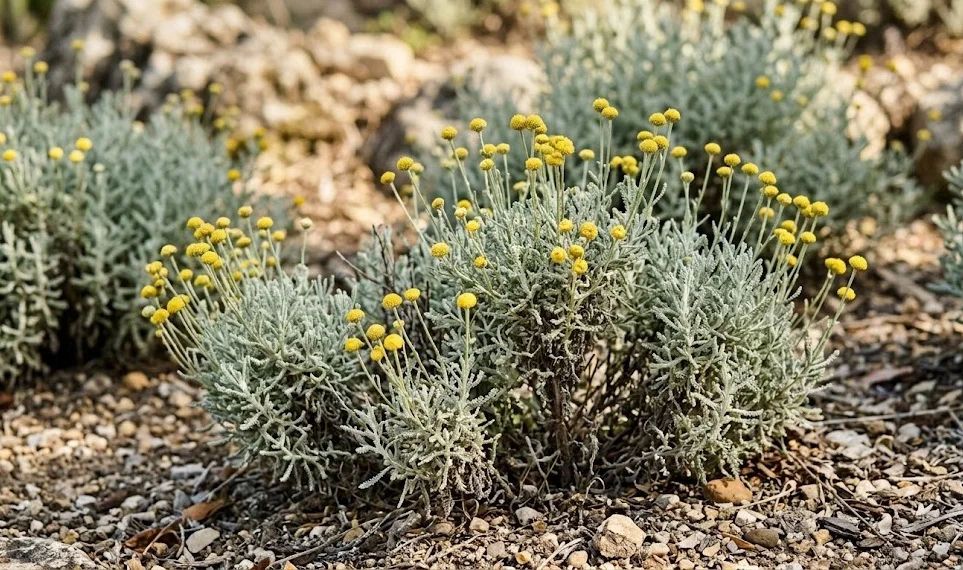
The appearance of the silver foliage is your best indicator of whether your watering and fertilization strategies are working effectively. Healthy cotton lavender should have a dense, uniform color and stems that feel firm and resilient to the touch. If you notice the stems becoming soft or the leaves turning a dull gray-green, it may be a sign of too much moisture. Conversely, if the leaves start to turn brown and brittle starting from the bottom of the plant, it could indicate that the soil has become too dry for too long. Regular inspections allow you to catch these signs early and make the necessary adjustments to your care routine.
Growth rate is another key metric to track when evaluating the nutritional status of your garden. A healthy specimen should grow steadily but stay compact, without sending out long, spindly shoots that flop over. If your plant is expanding at an aggressive rate but looks “loose” and lacks its usual silver intensity, you are likely over-fertilizing. On the other hand, a plant that shows almost no new growth in the spring despite good weather might benefit from a very light application of compost. Learning to read the physical language of the plant is one of the most rewarding aspects of professional gardening.
Flowering can also provide clues about the balance of nutrients in the soil. While the yellow button-like blooms are a sign of a healthy plant, an explosion of flowers followed by a total collapse of the foliage might suggest a nutrient imbalance. A well-balanced plant will produce a moderate amount of flowers while maintaining strong, healthy leaves throughout the summer. If your plant fails to bloom at all despite being in full sun, it could be receiving too much nitrogen, which encourages leaves at the expense of flowers. Balancing the decorative and structural needs of the plant is a subtle art that you will master over time.
Finally, keep a simple garden journal to record when you water and what fertilizers you use, if any. This record-keeping allows you to see patterns over the years and understand how your plants respond to different weather events. You might discover that your specific microclimate requires a slightly different approach than the general guidelines suggest. Sharing these observations with other gardeners or a local agricultural extension can also provide valuable insights into the regional needs of the species. A professional approach to documentation ensures that your gardening success is consistent and based on real-world evidence.
Conclusion of hydration and nutrient strategies
In summary, the key to success with cotton lavender is a disciplined approach that respects the plant’s natural adaptations. By providing deep, infrequent watering and minimal, targeted fertilization, you allow the shrub to develop the toughness it needs to thrive. The goal is not to force the plant into a state of artificial luxury, but to support its inherent beauty and resilience. This minimalist philosophy not only results in healthier plants but also reduces the environmental impact of your gardening activities. As you become more familiar with the needs of your cotton lavender, you will find that it is one of the most rewarding and low-maintenance plants in your collection.
Professional gardening is about working with nature rather than trying to dominate it with excessive inputs. The silver mounds of cotton lavender are a testament to the power of simplicity and the beauty of resilience in the landscape. By following the principles of effective irrigation and strategic nutrient management, you ensure that these plants remain a highlight of your garden for many seasons. Trust in the plant’s ability to take care of itself once the basic foundations are in place. With the right care, your cotton lavender will continue to provide fragrance, color, and texture to your outdoor sanctuary.