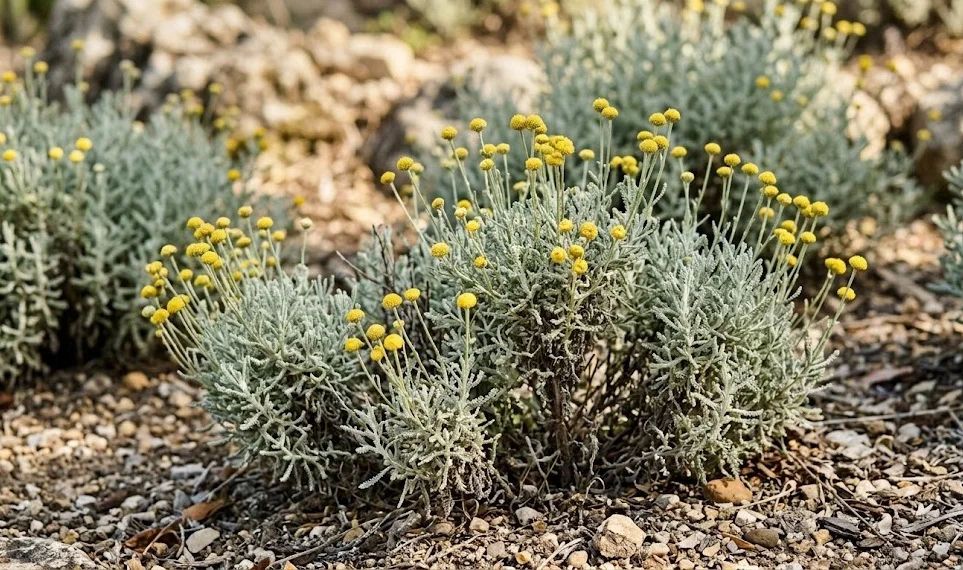

Diseases and pests of cotton lavender are relatively rare when the plant is grown in its ideal conditions, but they can become serious issues if the environment is not properly managed. This hardy Mediterranean shrub is naturally equipped with aromatic oils and a tough physical structure that deters many common garden invaders. However, when the plant is stressed by excessive moisture, lack of sunlight, or poor airflow, its natural defenses can weaken, leaving it vulnerable to attack. Understanding the potential threats and knowing how to identify them early is crucial for maintaining a healthy and beautiful garden. This article provides a professional overview of the biological challenges you might face and the best strategies for both prevention and treatment.
The primary threat to the health of cotton lavender is almost always related to moisture management rather than insect activity. Fungal pathogens thrive in the damp, humid conditions that are the exact opposite of what this species prefers. Root rot, caused by various soil-borne fungi, is perhaps the most common reason for the sudden collapse of an otherwise healthy-looking shrub. Once the root system is compromised, the plant has very little chance of recovery, making prevention the most important tool in your arsenal. By ensuring perfect drainage and avoiding overwatering, you can eliminate the vast majority of disease problems before they even start.
Insects can occasionally become a nuisance, particularly if the plant is grown in a sheltered area or near other heavily infested vegetation. Aphids and spittlebugs are the most likely candidates to appear on the tender new growth in the spring. While they rarely cause permanent damage to a mature plant, they can distort the foliage and reduce the aesthetic appeal of the silver leaves. Monitoring your plants regularly and intervening only when the infestation becomes significant is the mark of a professional approach to pest management. Integrated Pest Management (IPM) techniques emphasize the use of natural predators and physical controls before resorting to chemical treatments.
Environmental stress can also mimic the symptoms of disease or pest damage, leading to confusion during the diagnostic process. Scorching from intense sun combined with dry winds can cause leaf tips to turn brown, which some might mistake for a fungal infection. Similarly, the natural aging process can cause the center of the plant to become woody and sparse, which is a structural issue rather than a biological one. Distinguishing between these various factors requires a keen eye and a thorough understanding of the plant’s life cycle. This article will help you navigate these complexities and keep your cotton lavender in peak condition year-round.
Fungal pathogens and root health management
Phytophthora root rot is a devastating fungal disease that targets the base of the plant and the root system in poorly drained soils. The first visible sign is often a subtle wilting of the foliage, which does not improve after watering. As the disease progresses, the stems may turn brown or black near the soil line, and the entire plant can eventually die in a matter of weeks. Because the fungus survives in the soil and is spread by water, it is extremely difficult to eradicate once it has taken hold. The only effective strategy is to remove the infected plant entirely and improve the drainage of the site before replanting anything else.
More articles on this topic
Powdery mildew can occasionally appear on the silver leaves during periods of high humidity and low air movement. This fungal infection looks like a light dusting of white flour on the surface of the foliage and can interfere with the plant’s ability to photosynthesize. While it is rarely fatal, a heavy infestation can cause the leaves to yellow and drop prematurely, leaving the shrub looking thin and sickly. Improving airflow by thinning out the plant and ensuring it is in a sunny location is usually enough to stop the spread. In severe cases, a gentle application of a sulfur-based organic fungicide can help clear up the problem.
Botrytis, also known as gray mold, is another moisture-loving fungus that can attack the dense center of a cotton lavender shrub. It often starts on dead or decaying plant matter, such as fallen leaves or spent flower stalks, and quickly spreads to healthy tissue. You will notice a fuzzy gray growth and a softening of the stems in the affected areas. To prevent this, it is essential to keep the interior of the plant clean and free of debris. Regular pruning and cleaning of the crown will ensure that light and air can reach all parts of the shrub, making it much less hospitable to mold.
Leaf spot diseases are less common but can occur if the foliage remains wet for extended periods during the growing season. These appear as small, dark lesions on the leaves that can eventually merge and cause entire sections of the plant to turn brown. This is most frequently seen in gardens where overhead irrigation is used or where the plants are crowded too closely together. Switching to drip irrigation and providing ample space between plants are the best long-term solutions for preventing leaf spot. Healthy, dry foliage is the best defense against almost all atmospheric fungal threats.
Identifying and managing insect infestations
Aphids are small, soft-bodied insects that congregate on the tender tips of new growth, sucking the sap and weakening the plant. Their presence is often indicated by a sticky residue called honeydew, which can attract ants and provide a medium for sooty mold to grow. While a few aphids are not a cause for alarm, a large colony can stunt the growth of the shrub and cause the leaves to curl. You can usually manage them by simply knocking them off the plant with a strong stream of water from the hose. Encouraging natural predators like ladybugs and lacewings in your garden will provide a long-term, self-sustaining solution to aphid problems.
More articles on this topic
Spittlebugs, also known as cuckoo spit, are easily identified by the mass of white, frothy bubbles they create on the stems in late spring. Inside this foam is a small nymph that feeds on the plant’s juices while staying protected from predators and dehydration. The damage is usually minimal and mostly cosmetic, though a heavy infestation can cause some distortion of the stems. Like aphids, they can be removed with a sharp blast of water or simply wiped away by hand. There is rarely a need for chemical intervention when dealing with spittlebugs on a hardy plant like cotton lavender.
Spider mites can become an issue during hot, dry periods when the plant is already stressed by a lack of moisture. These tiny arachnids are difficult to see with the naked eye, but their presence is revealed by a fine webbing and a stippled or “dusty” appearance on the leaves. They feed on the underside of the foliage, draining the cells of their green pigment and causing the silver color to look washed out. Keeping the plant properly hydrated and occasionally rinsing the foliage with water can help keep mite populations under control. In extreme cases, an application of insecticidal soap or neem oil may be necessary to protect the plant.
Scale insects are less common but can be more difficult to treat because of their hard, protective coverings. They look like small bumps on the woody stems and can go unnoticed for a long time while they slowly drain the plant’s energy. If you notice a general decline in vigor and see these mysterious bumps, you may need to use a horticultural oil treatment during the dormant season. This oil works by suffocating the insects without leaving harmful residues in the garden environment. Regular inspection of the older, woody parts of the shrub will help you catch scale infestations before they become a major problem.
Integrated pest management and preventative care
Prevention is the cornerstone of any professional pest and disease management strategy for Mediterranean plants. By creating an environment that favors the plant and disfavors its enemies, you reduce the need for reactive treatments. This starts with the fundamentals: full sun, excellent drainage, and plenty of space for air to circulate. A plant that is growing in its ideal conditions is much tougher and has a higher concentration of the aromatic oils that naturally repel pests. Investing time in the initial setup of your garden bed is the best way to save time and effort on pest control in the future.
Sanitation is another critical component of keeping your garden healthy and free of pathogens. You should always use clean, sterilized tools when pruning or taking cuttings to avoid transferring diseases between plants. Removing any fallen leaves or dead wood from around the base of the shrub eliminates hiding places for pests and food sources for fungi. If you do have to remove a diseased plant, make sure to dispose of it in the trash rather than the compost pile to prevent the spread of spores. A clean garden is a resilient garden, and small habits of tidiness go a long way in preventing outbreaks.
Encouraging biodiversity in your landscape provides a natural balance that keeps pest populations in check without your intervention. Planting a variety of flowering species attracts beneficial insects that will do the hard work of hunting aphids and mites for you. Avoid the use of broad-spectrum pesticides, which often kill the “good bugs” along with the “bad bugs,” leading to even larger outbreaks later on. Instead, focus on targeted, low-impact solutions only when absolutely necessary. A healthy ecosystem is the most effective and sustainable form of pest control available to the modern gardener.
Monitoring your plants on a weekly basis allows you to catch any signs of trouble before they become a crisis. Take a few minutes to look closely at the new growth, the underside of the leaves, and the condition of the stems near the soil. Early detection of a fungal infection or a pest colony makes treatment much simpler and more likely to succeed. This regular engagement with your garden also helps you become more attuned to the natural rhythms and needs of your cotton lavender. A professional gardener is always an active observer, staying one step ahead of the biological challenges that may arise.
Environmental stress and physiological disorders
Many of the issues that look like diseases are actually physiological responses to environmental stress factors. Edema, for example, occurs when the plant takes up more water than it can transpire, causing cells to burst and form small, corky bumps on the leaves. This is most common in cool, damp weather and is a sign that the soil is holding too much moisture for the plant’s current needs. Improving drainage and reducing watering is the only way to correct this condition; no amount of fungicide will help. Recognizing these environmental cues prevents the unnecessary and potentially harmful use of chemical treatments.
Sunscald can occur if a plant that has been in the shade is suddenly moved into intense, direct sunlight without a period of acclimation. The silver hairs on the leaves provide some protection, but the tender tissue underneath can still be damaged, leading to bleached or papery patches. This is most relevant for container-grown plants or those that have been heavily pruned, exposing previously shaded interior stems. To avoid this, always transition your plants gradually and try to prune in a way that leaves some protective foliage. A little bit of foresight can prevent significant aesthetic damage to your prized specimens.
Nutrient toxicities can also cause symptoms that mimic viral or fungal infections, such as mottled or distorted leaves. In particular, excessive phosphorus can interfere with the plant’s ability to take up iron and zinc, leading to a condition called chlorosis. This is why following a “less is more” approach to fertilization is so important for Mediterranean species adapted to lean soils. If you suspect a nutrient issue, a soil test is the only reliable way to confirm your suspicions and develop a plan. Treating the soil as a delicate biological system ensures that your plants stay healthy and vibrant for the long term.
Winter injury is another common factor that can lead to die-back and secondary infections in the spring. If the stems are split by extreme frost or damaged by heavy snow, the open wounds become entry points for opportunistic fungi. You might see sections of the plant turning brown and dying off as the temperatures rise and the pathogens become active. Proper winter protection and careful spring pruning to remove damaged tissue are the best ways to manage this seasonal risk. Understanding the impact of the local climate on your plants is a key part of professional garden management.
Summary of diagnostic and treatment protocols
Managing the health of cotton lavender is a matter of understanding its specific needs and being vigilant about the environmental conditions in your garden. By prioritizing drainage and airflow, you eliminate the vast majority of fungal threats that plague this species. When pests do appear, relying on physical controls and natural predators preserves the ecological balance of your landscape. Always remember to diagnose the problem accurately before applying any treatment, as many symptoms have environmental rather than biological causes. A thoughtful, minimal-intervention approach is the most effective way to ensure the longevity of your silver-leaved shrubs.
Professional gardening is a journey of continuous learning and observation, where every challenge is an opportunity to refine your skills. Cotton lavender is a generous plant that will reward your attention with years of fragrance and beauty. By treating it as a partner in your landscape and respecting its natural boundaries, you create a garden that is both resilient and stunning. Stay curious, stay observant, and enjoy the process of keeping your Mediterranean collection healthy and thriving. With the right strategies in place, the diseases and pests of cotton lavender will be nothing more than minor hurdles in your gardening success.