
Planting and propagation of cotton lavender require a strategic approach that honors the plant’s Mediterranean heritage and specific growth requirements. Success begins with selecting the right location and understanding the timing that allows the young shrub to establish a robust root system. Whether you are starting with nursery-bought specimens or trying to create new plants from existing ones, the process is straightforward but demands attention to detail. This guide will walk you through the professional techniques needed to expand your garden with this resilient, silver-foliaged beauty. By mastering these foundational tasks, you ensure that your landscape remains vibrant and well-stocked for years to come.
The timing of your planting efforts is the first critical decision that will impact the long-term survival of the shrub. In most temperate climates, early spring is the ideal window for getting new plants into the ground. This allows the root system to settle and expand before the intense heat of the summer sun arrives to test the plant’s resilience. Planting in the autumn is also possible in milder regions, provided the roots have enough time to establish before the first hard frost. You should always monitor local weather patterns and avoid planting during periods of extreme saturation or unexpected cold snaps.
Site selection is the next pillar of a successful planting project, as the environment must provide the basic needs of the species. You must look for a spot that receives full sun for the majority of the day and offers excellent drainage. Low-lying areas where water collects after a storm are the worst possible choice and will almost certainly lead to the death of the plant. If your garden has heavy soil, consider creating a raised bed or a small mound to elevate the plant above the moisture. A well-chosen site does most of the hard work for you, reducing the need for constant maintenance and troubleshooting later on.
Preparing the individual planting hole is an opportunity to fine-tune the immediate environment for the young roots. Dig a hole that is twice as wide as the root ball but no deeper than the container the plant came in. You want to avoid burying the crown of the plant, as this can lead to rot and stem issues very quickly. Mixing a bit of grit or coarse sand into the backfill soil can help improve drainage right where the plant needs it most. Once the plant is in place, firm the soil gently with your hands to remove any large air pockets without compacting the earth too tightly.
Strategic planting techniques and spacing
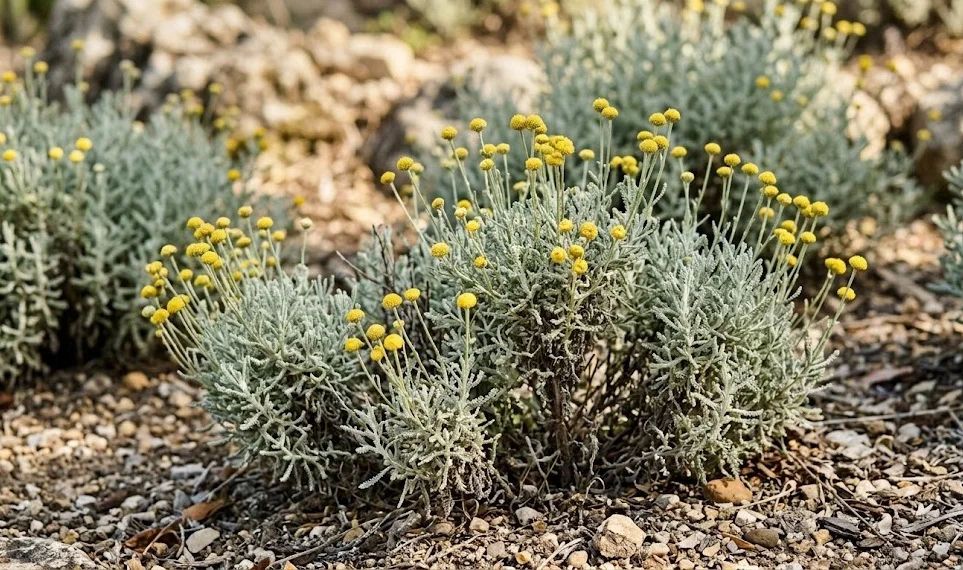
Spacing is a vital consideration that many gardeners overlook in their excitement to see a full and lush landscape. Cotton lavender spreads as it grows, and crowding several plants together can lead to poor air circulation and internal die-back. You should research the specific variety you have chosen, as some can reach a width of three feet or more over time. A common rule of thumb is to space the plants at least eighteen to twenty-four inches apart to allow for their natural expansion. This foresight ensures that each specimen has enough room to maintain its architectural shape and receive adequate sunlight.
More articles on this topic
The depth at which you set the plant into the earth can determine its health for the remainder of its life. It is crucial that the transition point between the roots and the stems sits exactly at the soil surface. Planting too deep can trap moisture against the main trunk, which is a major cause of fungal infections in Mediterranean shrubs. Conversely, planting too shallow can expose the upper roots to drying winds and temperature fluctuations before they are established. Precision during this stage of the process pays dividends in the form of a faster establishment and a more vigorous growth habit.
Watering immediately after planting is necessary to help settle the soil around the roots, but it must be done with care. You want to provide enough moisture to eliminate air pockets, but you should not turn the planting hole into a mud pit. Use a gentle stream of water directed at the base of the plant rather than spraying the silver foliage directly. Once the initial watering is complete, you should only provide additional moisture when the top few inches of soil are dry. This encourages the roots to grow deeper into the earth in search of water, creating a more drought-tolerant plant.
Mulching can be beneficial for young plants, but the choice of material is extremely important for this specific species. Avoid using organic mulches like bark or wood chips, which can hold too much moisture near the stems and encourage rot. Instead, use a layer of gravel, crushed stone, or slate chips to suppress weeds and keep the base of the plant dry. These inorganic materials also reflect light and heat back onto the foliage, which mimics the plant’s natural rocky habitat. A properly mulched plant looks clean and professional while receiving the environmental support it needs to thrive.
Propagation through softwood and semi-ripe cuttings
Propagating cotton lavender from cuttings is a highly effective and satisfying way to increase your plant inventory at zero cost. The best time to take these cuttings is during the summer months when the new growth is starting to firm up but is not yet fully woody. You should look for healthy, non-flowering shoots that are about three to four inches long for the best chance of success. Using a sharp, sterilized knife or snips ensures a clean cut that heals quickly and minimizes the risk of introducing pathogens. Taking multiple cuttings increases your odds of ending up with several healthy new shrubs by the end of the season.
More articles on this topic
Preparing the cuttings requires a few simple steps to encourage rapid root development and prevent moisture loss. Remove the leaves from the bottom half of the stem, leaving only a small cluster of silver foliage at the very top. This reduces the surface area from which the cutting can lose water while it has no roots to absorb it. Some gardeners prefer to dip the cut end into a rooting hormone powder, though this plant often roots quite well without any chemical assistance. The goal is to create a lean, efficient stem that is ready to focus all its energy on generating a new root system.
The growing medium for your cuttings should be a light, well-draining mix of peat-free compost and plenty of perlite or sand. Place the prepared stems into small pots or a seed tray, making sure they are inserted deep enough to stay upright but not so deep that the foliage touches the soil. Keep the pots in a bright spot out of direct sunlight, which could scor up the tender cuttings before they have a chance to settle. A greenhouse or a covered cold frame is ideal, as it maintains a slightly higher humidity level without the air becoming stagnant. Consistency in the environment is the key to high success rates with Mediterranean cuttings.
Monitoring the progress of your cuttings requires patience, as it can take several weeks for the first roots to appear. You should keep the growing medium slightly moist but never soaking wet, as the unrooted stems are very prone to rotting. A gentle tug on a cutting after about a month will tell you if roots are starting to take hold; if you feel resistance, the plant is succeeding. Once a strong root system has developed, you can gradually acclimate the young plants to more direct light and less humidity. This hardening-off process is essential before they are eventually moved into their permanent homes in the garden.
Alternative methods of propagation and nursery care
Layering is an alternative propagation technique that is particularly useful for cotton lavender due to its spreading growth habit. This method involves bending a flexible, low-growing branch down to the ground and pinning it into the soil while it is still attached to the parent plant. You can wound the underside of the stem slightly and apply a bit of rooting hormone to speed up the process. Over time, roots will form at the point of contact with the earth, eventually creating an independent plant that can be severed from the mother. This is a low-risk method because the “baby” plant continues to receive nutrients from the main shrub throughout the process.
Seed propagation is also possible, though it is less common for home gardeners because it takes much longer to produce a sizeable shrub. If you choose to go this route, sow the seeds in late winter or early spring in a warm, bright indoor location. The seeds require light to germinate, so they should be pressed into the surface of the soil rather than buried deep. Germination can be erratic, and the resulting seedlings will need careful attention to ensure they do not damp off from too much moisture. While rewarding, this method requires a higher level of technical skill and a lot more time compared to taking cuttings.
Caring for young nursery plants before they are ready for the garden involves a balance of protection and toughening up. You should pot up your rooted cuttings into larger containers as they grow to prevent them from becoming root-bound. During this stage, a light application of balanced liquid fertilizer can help support the rapid development of foliage and stems. However, you must still be careful not to overfeed, as the goal is to produce a sturdy plant, not a lush and weak one. Keeping the young plants in a sheltered but sunny spot will prepare them for the transition to the open ground.
Transitioning your homegrown plants into the landscape should be done with the same care you would give to an expensive nursery purchase. Ensure the weather is stable and the soil is at a workable temperature before making the move. Dig the holes slightly larger than the pots and follow the planting guidelines discussed in the earlier chapters. By taking the time to propagate and raise your own cotton lavender, you gain a deeper connection to your garden and the life cycles within it. These new additions will soon grow into the iconic silver mounds that define a well-planned and professionally maintained garden.