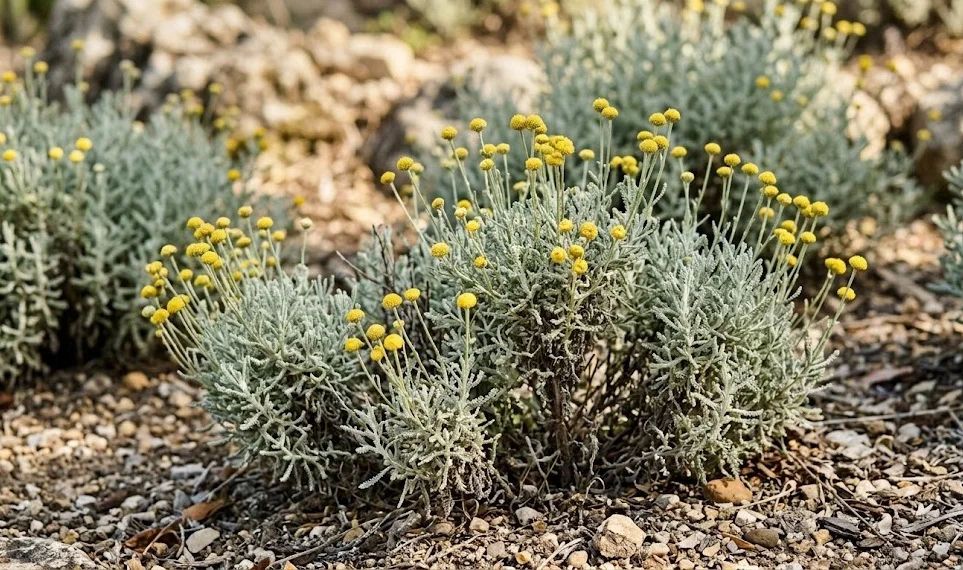

Care of cotton lavender is a rewarding endeavor for gardeners who appreciate the resilient beauty of Mediterranean flora. This aromatic shrub is celebrated for its dense, silver-gray foliage and its ability to withstand challenging environmental conditions with minimal intervention. Achieving the best results requires a fundamental understanding of how the plant interacts with its surrounding ecosystem and soil structure. By focusing on its specific biological needs, you can maintain a vibrant and healthy specimen that serves as a focal point in any landscape design.
The primary consideration for any enthusiast is establishing a routine that respects the plant’s natural adaptation to arid climates. It is crucial to remember that this species has evolved to thrive in nutrient-poor soils where competition for resources is fierce. When you introduce it to a garden, the goal should be to replicate these conditions rather than providing excessive luxury. Over-pampering often leads to a decline in the structural integrity of the shrub, causing it to become leggy or susceptible to rot. Consistency in observation will allow you to notice subtle changes in leaf color or stem strength before any serious issues arise.
Environmental placement plays a significant role in the overall health and vigor of the silver foliage. Choosing a location that maximizes airflow is just as important as ensuring the correct amount of light reaches the inner stems. Stagnant air often trapped in dense plantings can lead to internal humidity levels that the plant is not equipped to handle. You should aim for an open area where the wind can naturally dry out the leaves after a rainstorm or morning dew. This simple spatial strategy significantly reduces the risk of fungal infections that often plague Mediterranean herbs in more humid climates.
Long-term care involves a strategic approach to monitoring growth patterns and adjusting maintenance tasks accordingly. As the plant matures, the central stems tend to become woody, which can eventually lead to a split in the middle of the mound. Regular maintenance helps to keep the growth compact and prevents the plant from losing its signature dome shape over time. You should treat the garden as a dynamic system where the needs of the cotton lavender change with the seasons and the age of the plant. A proactive mindset ensures that the shrub remains a permanent and beautiful fixture in your horticultural collection.
Foundation of soil health and drainage
The success of your gardening efforts begins beneath the surface with the physical and chemical composition of the earth. Cotton lavender requires a substrate that facilitates rapid drainage to prevent moisture from lingering around the sensitive root system. Traditional garden soils often contain too much clay or organic matter, which holds water for extended periods and endangers the plant. You can improve existing soil by incorporating coarse sand, fine gravel, or perlite to increase the macropore space within the root zone. This modification allows excess water to escape quickly while still providing enough moisture for the plant to absorb during its growth phase.
More articles on this topic
Soil pH is another critical factor that influences the availability of micronutrients and the overall health of the shrub. This particular species prefers a neutral to slightly alkaline environment, mirroring the limestone-rich soils of its native Mediterranean home. If your garden soil is naturally acidic, applying a small amount of garden lime can help balance the conditions for optimal growth. It is wise to conduct a simple soil test before making any significant amendments to avoid overcorrecting the chemistry of the earth. Maintaining the correct pH ensures that the plant can efficiently process the few nutrients it requires from the surrounding environment.
Compaction is a hidden enemy that can slowly suffocate the roots of even the hardiest Mediterranean plants. In areas with high foot traffic or heavy machinery use, the soil particles can become pressed together, eliminating the air pockets necessary for root respiration. You should avoid walking directly around the base of the plant to keep the structure of the soil loose and friable. If you notice the ground becoming hard or capped after rain, a light cultivation of the surface can help restore oxygen flow. Healthy roots are the engine of the plant, and keeping their environment breathable is essential for sustained vitality.
Organic matter should be used sparingly when preparing the site for cotton lavender to avoid creating an environment that is too rich. While most garden plants benefit from heavy compost applications, this shrub thrives in leaner conditions where it must work a bit harder for its sustenance. Excessive nitrogen in the soil can lead to rapid, soft growth that is more prone to frost damage and pest infestations. A thin layer of inorganic mulch, such as pea gravel or crushed stone, is often more beneficial than wood chips or compost. This type of mulch helps keep the crown dry while suppressing weeds that might compete for limited resources.
Mastering sun exposure and microclimates
Light is the most influential external factor governing the growth habits and aesthetic qualities of this silver-leaved beauty. The plant requires intense, direct sunlight for the majority of the day to maintain its compact form and vibrant leaf coloration. Without sufficient light, the stems will stretch toward the nearest source, resulting in a loose and unattractive appearance. You should prioritize the sunniest spot in your garden, ideally one that receives at least six to eight hours of unobstructed rays. This high energy input is necessary for the production of the essential oils that give the plant its characteristic fragrance.
More articles on this topic
In addition to intensity, the duration of light exposure affects the flowering cycle and the hardening of the wood before winter. Plants grown in partial shade often fail to produce their bright yellow button-like flowers, which are a highlight of the summer season. Furthermore, insufficient light can lead to a weaker immune system, making the plant a target for opportunistic pathogens. You should evaluate the shadow patterns of your garden throughout the year to ensure that nearby trees or structures do not eventually block the sun. Planning for the long term means considering how surrounding vegetation will grow and potentially interfere with the light requirements of your shrubs.
The concept of a microclimate is particularly relevant when dealing with plants that are at the edge of their hardiness zone. South-facing slopes or areas near stone walls can provide extra warmth by reflecting solar radiation and releasing heat slowly during the night. These spots are often drier and warmer than the rest of the garden, making them perfect candidates for cotton lavender. By identifying these warm pockets, you can extend the growing season and provide a buffer against unexpected temperature drops. Utilizing the natural contours and structures of your property allows for a more nuanced and successful gardening experience.
Heat stress is rarely a concern for this species, but it is important to understand how extreme temperatures interact with soil moisture. In the peak of summer, the combination of intense sun and dry winds can cause a temporary wilt, though the plant usually recovers quickly. You do not need to rush with the watering can at the first sign of heat, as the plant is built to endure these conditions. Instead, rely on the inherent resilience of the foliage, which is designed to reflect sunlight and minimize water loss. Trusting the natural biological defenses of the plant will prevent the common mistake of overwatering during heatwaves.
Strategic pruning and structural maintenance
Pruning is perhaps the most vital maintenance task for ensuring the longevity and visual appeal of cotton lavender. Without regular intervention, the plant will naturally expand outward, leaving a hollow and woody center that is difficult to fix. You should view pruning as a way to direct the plant’s energy and maintain its youthful vigor through controlled stress. The timing and technique used will dictate whether the plant remains a tight, silvery mound or becomes an overgrown mess. Mastering this skill is the hallmark of an experienced gardener who understands the life cycle of Mediterranean shrubs.
The primary pruning session should occur in early spring, just as the first signs of new growth begin to appear on the stems. During this time, you can safely cut back the previous year’s growth to a few inches above the older, harder wood. It is important to avoid cutting into the very old wood that has no visible buds, as this part of the plant may struggle to regenerate. By removing the leggy outer layers, you encourage the plant to push out fresh, dense foliage from the base. This annual rejuvenation process keeps the shrub looking vibrant and prevents it from becoming top-heavy.
Summer maintenance involves the removal of spent flower heads, a process commonly known as deadheading. While the yellow flowers are charming, they can look untidy once they begin to fade and turn brown. Removing the flower stalks down to the level of the foliage redirects energy back into leaf production and overall plant health. This practice also prevents the plant from wasting resources on seed production, which is rarely necessary for the average home gardener. Keeping the plant clean during the summer months enhances its architectural silhouette and keeps the focus on its beautiful texture.
Late-season grooming should be light and focused on removing any damaged or diseased stems before the onset of winter. You should avoid heavy pruning in late autumn, as the resulting new growth will be too tender to survive the coming frosts. Instead, simply tidy up the edges and ensure that no branches are resting on damp soil where they might rot. This careful approach prepares the plant for its dormant phase while maintaining its structural integrity against heavy snow or wind. A well-pruned plant is not only more beautiful but also significantly more resilient to the challenges of the changing seasons.
Nutrient management and fertilization philosophy
Fertilizing cotton lavender requires a “less is more” philosophy that contradicts the standard approach for many other garden plants. This species has adapted to survive in soils that are naturally low in nutrients, especially nitrogen. Providing a heavy dose of commercial fertilizer can actually do more harm than good by stimulating weak, watery growth. This excessive foliage is often unattractive and lacks the strong fragrance and silver color of a naturally grown specimen. You should focus on building a soil environment that provides a slow, steady supply of minerals rather than a sudden burst of energy.
If you feel the need to supplement the soil, a light application of balanced, slow-release fertilizer in early spring is usually sufficient. Look for a product that has a lower nitrogen content compared to phosphorus and potassium to encourage root strength and flowering. Many successful gardeners find that a simple top-dressing of well-aged compost or a sprinkle of bone meal provides all the necessary nutrients. The goal is to support the plant’s natural rhythm without forcing it to grow faster than its structure can handle. Observations of growth rate and leaf health will guide you in determining if additional feeding is truly necessary.
Micronutrients, such as magnesium and iron, are sometimes lacking in very alkaline or sandy soils, which can lead to yellowing leaves. However, this is relatively rare for cotton lavender if the drainage is handled correctly. Before adding any chemical supplements, ensure that the leaf discoloration is not actually caused by overwatering or poor drainage. Often, what looks like a nutrient deficiency is actually a root problem caused by excess moisture in the ground. Correcting the physical environment should always be the first step before reaching for a bottle of liquid fertilizer.
Water-soluble fertilizers should generally be avoided for this plant, as they can lead to salt buildup in the soil over time. In its native habitat, the plant relies on the slow breakdown of mineral matter and minimal organic inputs. Replicating this slow-release system leads to a tougher, more drought-resistant plant that can take care of itself. If the foliage looks healthy and the growth is compact, you can assume the plant is getting everything it needs from the existing soil. Trusting the plant’s ability to forage for nutrients is a key part of the professional gardening mindset.
Atmospheric conditions and airflow dynamics
Airflow is an often overlooked but essential component of maintaining a healthy stand of cotton lavender. In its natural cliffside or coastal environments, the plant is constantly buffeted by breezes that keep the foliage dry and clear of fungal spores. When planted in a sheltered garden corner, the lack of air movement can create a humid micro-climate around the stems. This moisture becomes a breeding ground for various molds and rots that can quickly devastate a dense shrub. You must ensure that there is enough space between plants for the wind to circulate freely through the branches.
Spacing at the time of planting is the most effective way to manage airflow for the entire lifespan of the shrub. You should research the mature width of the variety you are planting and give it ample room to expand without touching its neighbors. If the plants eventually grow together to form a hedge, regular thinning of the internal branches may be necessary. This thinning process involves removing a few of the older, inner stems to let light and air penetrate the heart of the bush. A “breathable” plant is much less likely to suffer from the die-back that often occurs in overcrowded Mediterranean gardens.
Relative humidity in the atmosphere can be a challenge during the peak of summer or in regions with frequent rainfall. While you cannot control the weather, you can control how the plant interacts with the moisture in the air. Avoid planting cotton lavender in low-lying areas of the garden where fog or heavy dew tends to settle and linger. Choosing higher ground or raised beds can provide the necessary elevation to keep the foliage out of the dampest air layers. These small adjustments in placement can make a massive difference in the long-term health of the silver leaves.
Indoor cultivation or placement in very enclosed courtyards requires extra attention to air quality and movement. If you are growing the plant in a container on a balcony, make sure it is not tucked away in a stagnant corner. Periodically rotating the pot can ensure that all sides of the plant receive equal exposure to any available breezes. Using a fan in a greenhouse setting can also help mimic the natural wind conditions that the plant prefers. Promoting a dynamic atmosphere is a professional secret for keeping silver-leaved plants looking their best.
Environmental stressors and defense mechanisms
Cotton lavender has evolved a suite of fascinating defense mechanisms to cope with the harsh conditions of its native range. The silver color of the leaves is actually caused by a dense covering of tiny white hairs that reflect sunlight and reduce heat absorption. These hairs also create a thin layer of still air next to the leaf surface, which significantly lowers the rate of transpiration. Understanding these biological adaptations helps you appreciate why the plant behaves the way it does under stress. When the plant looks particularly “silvery,” it is often a sign that it is successfully protecting itself from intense solar radiation.
The aromatic oils produced by the plant serve as a powerful deterrent against herbivores and many common garden pests. These chemical compounds are most concentrated during the heat of the day, creating a fragrant cloud that we find pleasant but insects find repulsive. This natural defense system means that the plant rarely suffers from significant pest damage when grown in the correct conditions. However, if the plant is stressed by too much water or shade, its production of these protective oils may decrease. A healthy, well-sited plant is its own best defense against the various biological threats in the garden.
Drought stress is a condition the plant is well-equipped to handle, but extreme prolonged dryness can still take a toll. During an extended heatwave, the plant may slightly curl its leaves to further reduce the surface area exposed to the sun. This is a normal physiological response and should not be mistaken for a sign of permanent wilting or death. Once the temperatures drop in the evening, the plant typically regains its turgor and resumes its normal appearance. Recognizing these temporary adjustments allows you to avoid unnecessary interventions that might disrupt the plant’s natural balance.
Salt tolerance is another impressive feature of this hardy shrub, making it an excellent choice for coastal gardens. It can withstand the salty spray from the ocean, which would wither and kill many other common ornamental species. This resilience comes from its ability to regulate the intake of minerals and protect its cellular structure from osmotic stress. If you live near the sea, this plant provides a reliable way to add color and texture to an otherwise difficult gardening environment. Embracing the specialized strengths of the species allows you to create a garden that thrives in harmony with its surroundings.
Strategies for long-term vitality and replacement
Even with the best care, cotton lavender is not an immortal shrub and will eventually reach the end of its peak aesthetic life. Most specimens remain attractive and vigorous for about five to ten years before they begin to show signs of terminal woodiness. You can extend this period with diligent pruning, but you must also be prepared for the eventual decline of the plant. A professional gardener always has a plan for succession, ensuring that the garden landscape remains consistent over the decades. Recognizing the signs of an aging plant is the first step in managing the transition to a new generation.
When a plant begins to lose its ability to recover from pruning, it is usually time to consider a replacement. You might notice that the new growth is sparse or that large sections of the shrub remain brown even in the height of spring. Rather than struggling to save a failing specimen, it is often better to start fresh with a young, vigorous plant. You can take cuttings from your favorite shrub before it declines too far, allowing you to preserve its specific genetic characteristics. This cycle of renewal is a natural part of maintaining a Mediterranean-style garden.
Soil fatigue can sometimes occur if the same species is planted in the exact same spot for many years. When replacing an old cotton lavender, it is a good idea to refresh the planting hole with a bit of new soil and ensure the drainage is still functioning. You might also consider slightly shifting the location or planting a different drought-tolerant species for a few seasons. This rotation helps prevent the buildup of soil-borne pathogens that might target a specific type of plant. Maintaining a healthy and diverse soil microbiome is essential for the long-term success of any perennial planting.
Final thoughts on care involve a commitment to observing the small details that make a big difference over time. Gardening is as much about the relationship between the grower and the plant as it is about the tasks themselves. By paying attention to the subtle cues provided by the silver foliage and the yellow blooms, you become a better steward of your outdoor space. Cotton lavender is a generous plant that offers beauty and fragrance in exchange for a little understanding and respect for its natural needs. Enjoy the process of learning and growing alongside this remarkable Mediterranean survivor.