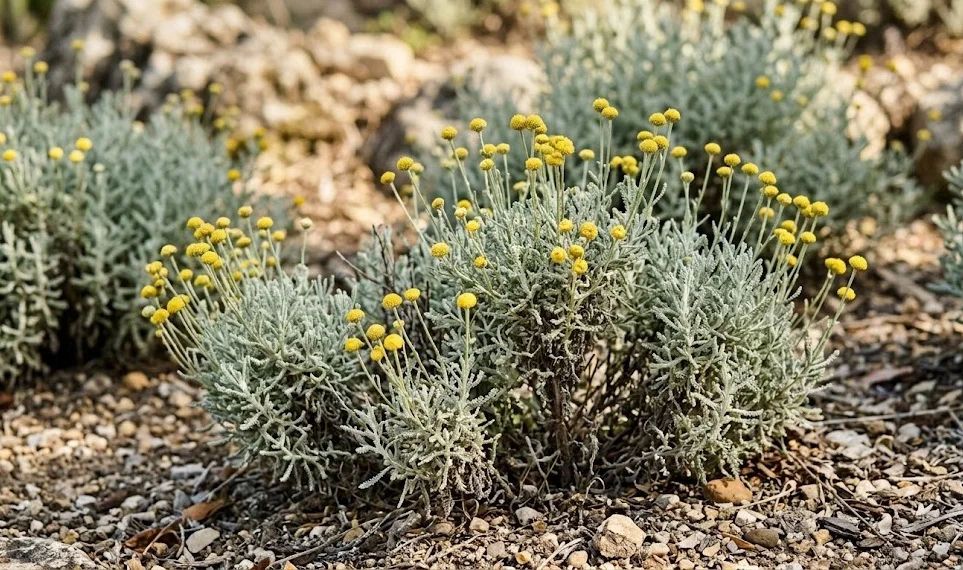

Overwintering of cotton lavender is a critical phase of care for gardeners living in regions where winter temperatures frequently drop below freezing. While this Mediterranean shrub is surprisingly hardy, it is not invincible, and the combination of cold air and wet soil can be particularly challenging. Success during the dormant season requires a proactive approach that starts well before the first frost settles on the landscape. By understanding the biological thresholds of the plant and preparing the environment accordingly, you can ensure that your silver mounds return with vigor in the spring. This guide details the professional techniques for protecting your cotton lavender from the harsh realities of the winter months.
The primary enemy of cotton lavender during the winter is not necessarily the cold itself, but rather the moisture that often accompanies it. In its native habitat, the plant experiences cool but dry winters where the roots are never subjected to prolonged saturation. In many temperate climates, however, winter is a season of heavy rain and melting snow, which can lead to root rot in poorly drained garden beds. Your first priority when preparing for the cold should be to evaluate the drainage of your site and make any necessary improvements. Ensuring that water can move away from the plant’s crown is the single most important step you can take.
Temperature thresholds for cotton lavender generally fall around -10 to -15 degrees Celsius, depending on the variety and the health of the individual plant. Beyond these limits, the cellular structure of the stems can be damaged, leading to significant die-back or even total loss. If your local climate consistently drops below these levels, you will need to provide some form of physical protection or consider growing the plant in containers. Understanding your specific USDA hardiness zone or local equivalent allows you to make informed decisions about the level of intervention required. A professional gardener never leaves the survival of their plants to chance.
Preparation for overwintering should begin in late summer by tapering off any activities that encourage new, soft growth. You should stop fertilizing and avoid heavy pruning at least two months before the expected first frost date. This allows the current season’s growth to “harden off” and develop a tougher, more woody structure that is better able to withstand freezing temperatures. Soft, green stems are full of water and are the first parts of the plant to turn black and die when the frost hits. By working with the plant’s natural hardening cycle, you provide it with the best internal defense against the cold.
Protecting garden-grown specimens from frost
For plants that remain in the ground, a layer of mulch is an effective way to insulate the root zone against extreme temperature fluctuations. However, as emphasized in previous chapters, the choice of mulching material is vital for the health of Mediterranean shrubs. You should avoid heavy organic mulches like wood chips or thick straw, which can trap moisture against the base of the plant and encourage rot. Instead, use a two-inch layer of coarse gravel, crushed stone, or very dry pine needles to protect the roots while allowing the crown to breathe. This “dry mulch” strategy provides the necessary warmth without the risk of creating a humid microclimate.
More articles on this topic
In regions prone to severe frosts or biting winds, a physical barrier can provide an extra layer of protection for the silver foliage. You can create a simple frame around the plant using wooden stakes and wrap it with a breathable material like burlap or horticultural fleece. This wrap helps break the wind and traps a small amount of radiant heat from the ground, significantly reducing the impact of the cold. It is crucial to avoid using plastic sheeting, which traps moisture and can cause the plant to overheat on sunny winter days. The goal is to provide a “coat” that is both protective and breathable.
Snow can actually act as a natural insulator, protecting the plant from the most extreme air temperatures and drying winds. However, heavy, wet snow can also weigh down the branches of cotton lavender, causing them to splay out or snap. If you expect a heavy snowfall, it is wise to gently brush the accumulation off the shrubs before the weight becomes too much for the woody stems to bear. For particularly large or old specimens, you might consider tying the branches together loosely with soft twine before the winter begins. This simple structural support prevents the plant from losing its shape under the pressure of a winter storm.
Airflow remains important even in the winter, so you should avoid packing the protective materials too tightly around the shrub. If the air inside your burlap wrap becomes stagnant and damp, you are simply trading one problem for another. Ensure there is a small gap at the top or bottom of any covering to allow for a minimal exchange of air. This is particularly important during “thaw cycles” when the sun may warm the plant during the day while the ground remains frozen. Maintaining a stable, dry environment is the hallmark of a professional overwintering strategy for any silver-leaved Mediterranean plant.
Container management and indoor transition
If you live in a climate that is far too cold for cotton lavender to survive outdoors, growing them in containers is the most practical solution. Potted plants are much more vulnerable to the cold because their roots are not insulated by the mass of the earth. When the temperatures start to dip toward freezing, you should move your containers to a more sheltered location, such as against a south-facing wall or into a cold frame. This provides a few extra degrees of protection that can make the difference between survival and death. For the most extreme winters, moving the pots into an unheated garage or greenhouse is the safest option.
More articles on this topic
Transitioning a plant to an indoor environment requires a careful balance of light and temperature to keep it healthy during its dormancy. The plant still needs as much light as possible, so a spot near a bright window or under grow lights is essential. However, it should be kept in a cool area away from heating vents or radiators, as dry indoor air can be very stressful for the foliage. An ideal indoor winter temperature for cotton lavender is between 5 and 10 degrees Celsius, which mimics a Mediterranean winter. This cool rest period is necessary for the plant to recharge its energy for the following spring.
Watering your overwintering containers is a delicate task that requires more restraint than any other time of year. Because the plant is dormant and the evaporation rate is low, the soil will stay moist for a very long time. You should only water when the soil feels bone-dry several inches down, and even then, use only a small amount of water. Overwatering a dormant plant in a cool environment is a guaranteed recipe for root rot and fungal issues. Think of winter watering as “maintenance hydration” rather than a true growth-supporting activity.
Before moving your plants back outside in the spring, they must go through a “hardening off” process to re-acclimate to the outdoor conditions. Start by placing them in a sheltered, shady spot for a few hours a day and gradually increase their exposure to sun and wind over two weeks. Rushing this process can lead to sunscald on the leaves or windburn on the stems, which will set the plant back just as the growing season begins. Patience during this transition phase ensures that all your hard work over the winter pays off with a healthy, vibrant plant. A professional transition is the final step in a successful overwintering program.
Spring recovery and post-winter assessment
Once the danger of hard frost has passed, it is time to assess your cotton lavender for any signs of winter damage. You may notice that some of the outer stems have turned brown or that the silver foliage looks a bit dull and flattened. This is normal and is usually just a superficial reaction to the cold and weight of the winter. Wait until you see the first signs of green growth at the base of the plant before you start any significant pruning. This allows you to clearly see which parts of the plant are still alive and which have truly succumbed to the winter.
The first task in the spring should be the removal of any broken, diseased, or completely dead wood to tidy up the shrub. Use sharp, clean shears and cut back to healthy tissue, being careful not to remove too much of the live wood at once. This initial cleanup improves airflow and allows the sun to reach the interior of the plant, stimulating new growth. You should also remove any leftover winter mulch or debris that may have collected around the base of the plant during the dormant season. Refreshing the area around the shrub signals the beginning of a new cycle of life and beauty.
If a plant looks particularly weak after a hard winter, you can support its recovery with a very light application of balanced fertilizer. However, do not be tempted to overfeed in an attempt to “rush” the recovery process, as this can lead to soft growth that is vulnerable to late spring frosts. The best support you can give is consistent, moderate care and a watchful eye for any early-season pests. Most cotton lavender shrubs are remarkably resilient and will quickly regain their shape and color once the temperatures stabilize. Trust in the plant’s inherent ability to bounce back from the challenges of the cold.
Documenting your overwintering successes and failures is an essential part of becoming a more skilled gardener. Note which varieties performed best in your specific microclimate and which protection methods provided the most consistent results. You might find that a certain corner of your garden is much warmer than others, or that a particular type of wrap was easier to manage. This personal data is more valuable than any general gardening guide because it reflects the reality of your unique outdoor space. Use this knowledge to refine your strategies for next year, ensuring that your cotton lavender continues to thrive for many winters to come.
Long-term strategies for climate resilience
Choosing the right cultivars from the beginning is the most effective long-term strategy for successful overwintering. Some varieties of cotton lavender are specifically bred for increased cold tolerance or resistance to winter dampness. When shopping for new plants, look for those that are rated for your specific hardiness zone and ask local nursery experts about their experiences with different types. Starting with a plant that is genetically suited to your environment reduces the need for elaborate protection schemes and increases your overall success rate. Resilience begins with the selection of the right genetics for your specific geographic location.
Improving the overall health and vigor of your plants during the growing season directly impacts their ability to survive the winter. A plant that has received the correct amount of sun, water, and nutrients will have more stored energy and a stronger physical structure to resist the cold. Conversely, a plant that was stressed by drought or disease during the summer will be much more likely to fail when the winter arrives. Professional gardening is an integrated year-round process where each season builds upon the foundation of the previous one. Think of summer care as the “training” phase that prepares your shrubs for the “test” of the winter months.
Creating a winter-resilient landscape involves more than just caring for individual plants; it means designing for the seasons. You can use structural elements like stone walls, hedges, or evergreen trees to create windbreaks and warmer microclimates for your sensitive Mediterranean species. Placing your cotton lavender in a spot that benefits from winter sun but is protected from the harshest north winds can make a massive difference. Over time, your garden will become a more stable and hospitable environment as you learn to work with the natural forces of your property. Designing for resilience is the hallmark of a truly professional and forward-thinking horticulturalist.
Finally, remember that gardening is a dynamic and sometimes unpredictable pursuit that involves a relationship with the natural world. Even with the best preparation, an unusually extreme winter can sometimes claim a plant, and that is simply part of the process. Use these moments as learning opportunities and a chance to refresh your garden with new and exciting specimens. The resilience of the gardener is just as important as the resilience of the plants themselves. With a proactive mindset and a solid understanding of the techniques discussed in this guide, you are well-equipped to guide your cotton lavender safely through the winter and into a bright, beautiful spring.