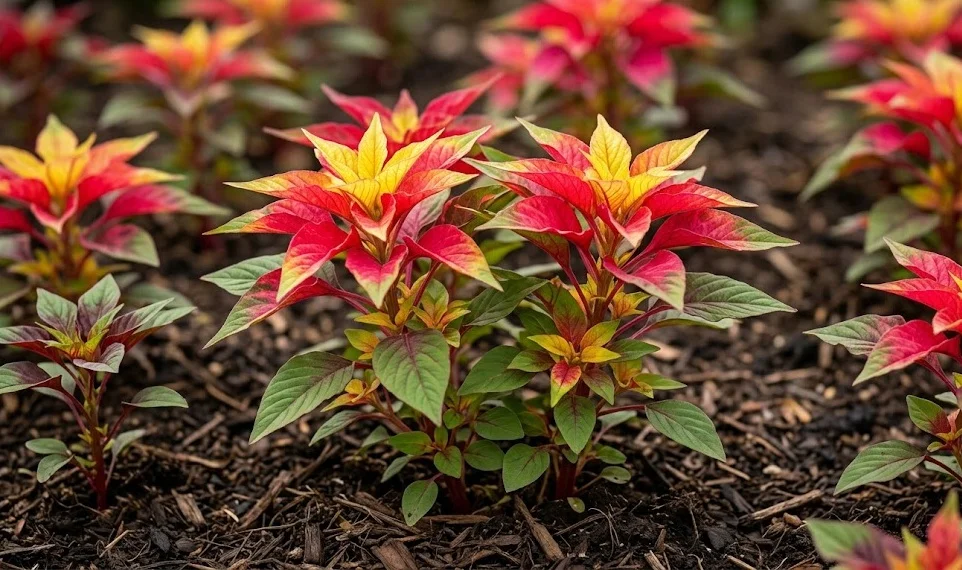

Proper hydration is the cornerstone of maintaining the health and the vivid coloration of this tropical foliage plant throughout the summer. You should monitor the soil moisture daily, especially during periods of extreme heat or prolonged dry spells in the middle of the season. The goal is to keep the soil consistently moist but never allow it to become waterlogged or swampy, which can cause root rot. A deep watering schedule is much more effective than light, frequent sprinkling because it encourages the roots to grow deeper into the soil.
The time of day you choose for watering can have a significant impact on the overall health of your garden. You should ideally water early in the morning before the sun reaches its full intensity and the temperatures begin to rise. This allows the foliage to dry off quickly, which is a key factor in preventing the development of various fungal diseases. If morning watering is not possible, the late afternoon is the next best option, provided the leaves can dry before nightfall.
Using a soaker hose or a drip irrigation system is often the most efficient way to deliver water directly to the root zone. You should avoid getting water on the leaves whenever possible, as the dense foliage can trap moisture and create an ideal environment for mold. Directing the water to the base of the plant ensures that every drop is utilized by the root system rather than evaporating from the leaf surfaces. This method also helps to conserve water and reduces the overall maintenance time required for your garden beds.
The texture of your soil will largely determine how frequently you need to apply water to your plants. Sandy soils drain very quickly and may require daily watering during the peak of the summer heat to keep the plants hydrated. Heavy clay soils, on the other hand, hold onto moisture for much longer and can become compacted if watered too frequently. You should always check the moisture level a few centimeters below the surface before deciding to add more water to the garden.
Nutrient requirements for growth
This species is known as a heavy feeder that requires a steady supply of nutrients to produce its large and colorful leaves. You should begin a regular fertilization program as soon as the plants have established themselves in their permanent garden location. Nitrogen is the most important element for foliage plants, as it directly supports the production of chlorophyll and rapid stem elongation. A balanced fertilizer with a slightly higher nitrogen ratio will provide the best results for most garden varieties.
More articles on this topic
Organic fertilizers like compost tea, liquid seaweed, or fish emulsion are excellent choices for providing a broad spectrum of nutrients. You will find that these natural products not only feed the plant but also improve the biological health of the soil over time. They provide a more gradual release of minerals, which reduces the risk of nutrient leaching during heavy rain events. Applying these organic liquids every two weeks will keep your plants looking vibrant and healthy throughout the entire growing season.
If you prefer using granular fertilizers, you should choose a slow-release formula that can provide nutrients over several months. You can apply the granules around the base of the plants in the late spring, making sure to work them gently into the top layer of soil. This method is convenient for busy gardeners who may not have the time for frequent liquid applications during the summer. Always water the area thoroughly after applying granular fertilizer to help the nutrients move down into the root zone.
Micronutrients such as iron, magnesium, and sulfur also play a vital role in the development of the intense reds and yellows in the leaves. You should look for a fertilizer that includes these trace elements to ensure the plant has everything it needs for optimal pigment production. A deficiency in these minerals can often lead to dull colors or yellowing between the leaf veins, which can ruin the decorative appeal. Regular testing of your garden soil can help you identify any specific mineral gaps that need to be addressed.
Seasonal feeding strategies
Adjusting your fertilization schedule to match the growth stages of the plant is an advanced technique for achieving professional results. You should focus on high-nitrogen feeds during the early summer when the plant is putting on the most vegetative growth. As the plant reaches its full size and begins to produce flower heads, you may want to shift to a more balanced nutrient profile. This transition helps to maintain the strength of the stems while still supporting the ongoing health of the large leaf surfaces.
More articles on this topic
During periods of heavy rainfall, the nutrients in the soil can often be washed away before the plant has a chance to absorb them. You should consider giving your plants a light liquid feed after a major storm to replace any minerals that may have been leached out. This proactive approach ensures that the growth does not stall due to a sudden lack of available food in the root zone. Monitoring the appearance of the leaves will provide you with the best cues for when an extra feeding might be necessary.
In the hottest part of the summer, you should be careful not to over-fertilize, as this can cause salt buildup in the soil. High concentrations of fertilizer salts can actually pull moisture away from the roots, leading to a condition known as physiological drought. If you notice the edges of the leaves turning brown or curling, it could be a sign that you need to flush the soil with clean water. Balancing the amount of food and water is the secret to keeping your garden thriving during the most challenging weather conditions.
As the season winds down and the temperatures begin to cool in the early autumn, you can gradually stop all fertilization. You want the plant to complete its natural life cycle and focus its remaining energy on producing viable seeds for the next year. Pushing for more new growth at this stage is counterproductive, as the cooler weather will soon bring the growing season to an end. This natural transition allows you to prepare the garden for the winter rest and the next cycle of planting.
Mulching for moisture retention
Applying a thick layer of organic mulch around the base of your plants is one of the most beneficial things you can do for your garden. You can use materials like shredded bark, straw, or even dried grass clippings to create a protective barrier on the soil surface. This layer significantly reduces the rate of evaporation, which means you will need to water your plants less frequently. Mulch also helps to keep the soil temperature more stable, preventing the roots from overheating during intense summer afternoons.
Weed suppression is another major benefit of using mulch in your ornamental garden beds. You will find that a good layer of organic material prevents most weed seeds from germinating and competing with your plants for nutrients. This reduces the need for manual weeding, saving you time and protecting the shallow root systems of your prize-winning specimens. Any weeds that do manage to poke through the mulch are usually much easier to pull out by hand.
As the mulch slowly breaks down over the course of the season, it adds valuable organic matter and nutrients back into the soil. You are essentially creating a self-sustaining system that improves the soil structure and fertility with very little extra effort. This long-term improvement makes it much easier to grow healthy plants in the same location in future years. You should aim to maintain a mulch layer about five to seven centimeters thick for the best overall results.
You should always leave a small gap between the mulch and the stem of the plant to prevent moisture from being trapped against the bark. Keeping the mulch a few centimeters away from the base allows for better air circulation and reduces the risk of fungal stem rot. If you notice the mulch layer becoming thin or patchy, simply add a fresh layer on top to maintain the protective benefits. This simple maintenance task will go a long way toward ensuring the health and beauty of your garden.
Avoiding common mistakes
One of the most frequent errors made by gardeners is overwatering their plants in an attempt to be helpful. You should remember that roots need oxygen as much as they need water to function and absorb nutrients correctly. Soil that is constantly saturated will eventually become anaerobic, leading to the death of beneficial microbes and the onset of root decay. Always use your finger to check the soil moisture level before you reach for the watering can or turn on the hose.
Under-fertilization is another common issue that can result in stunted growth and disappointing leaf colors. You should stick to a consistent schedule rather than feeding your plants only when they start to look unhealthy or stressed. Once a plant shows signs of a severe nutrient deficiency, it can take several weeks for it to fully recover its former vigor. A proactive feeding plan is much better for the long-term success of your garden than a reactive one.
Applying fertilizer to dry soil can lead to root burn, which can seriously damage or even kill your plants. You should always water your garden thoroughly before and after applying any type of concentrated liquid or granular food. This practice ensures that the nutrients are diluted enough to be safe for the roots while helping them move into the soil profile. Taking this extra step will protect your investment and ensure that your plants can utilize the food you are providing.
Finally, you should avoid using low-quality or expired fertilizers that may have lost their potency or contains harmful contaminants. Always check the labels for the expiration date and the specific nutrient analysis to ensure it meets the needs of your crop. Storing your garden chemicals in a cool, dry place will help maintain their effectiveness for as long as possible. Using the right tools and products is the hallmark of a professional approach to gardening and agricultural management.