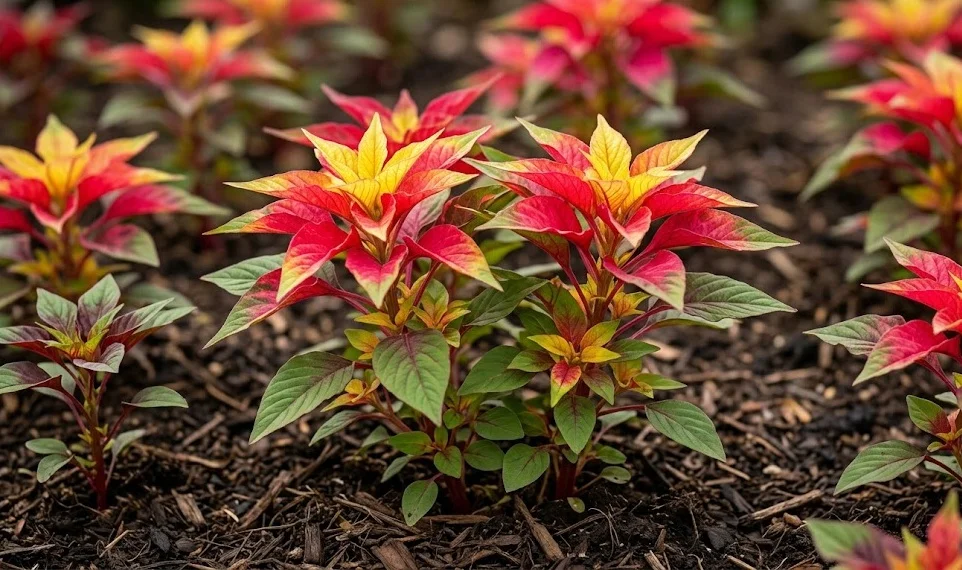

To achieve the most vibrant and intense leaf colors, you must provide your plants with the maximum amount of direct sunlight possible throughout the day. You should aim for a location that receives at least six to eight hours of full, unobstructed sun to support the rapid growth and pigment production. Without adequate light, the brilliant reds, yellows, and oranges will often fade into a dull green, and the plant will lose its decorative impact. A sun-drenched garden bed is the ideal home for this tropical species, as it mimics its natural environment.
Morning sun is particularly beneficial as it helps to dry the dew from the leaves quickly, which is a key factor in preventing fungal infections. You will notice that the plants that receive early morning light tend to be more vigorous and have fewer issues with leaf spots or powdery mildew. If you have to choose between morning and afternoon sun, the morning exposure is generally preferred for overall plant health. However, in cooler climates, the extra warmth of the afternoon sun can be helpful in pushing the plants to their full size.
If you are growing these plants in a region with extremely high temperatures and intense UV radiation, some light afternoon shade can be helpful. You should monitor the foliage during heatwaves for signs of sunscald, which appears as bleached or papery patches on the upper leaf surfaces. In these cases, a location that offers bright light but protection from the scorching mid-afternoon rays can produce the best-looking specimens. Providing the right balance of light and heat is the secret to maintaining the perfect appearance of the foliage all summer long.
The intensity of the light directly influences the height and the bushiness of the plant as it matures over the course of the season. Plants grown in full sun will typically have shorter internodes, resulting in a more compact and sturdy habit that can support its own weight. In contrast, plants that are struggling for light will often become leggy and weak as they stretch toward the nearest source of illumination. You should always prioritize the brightest spots in your garden for these sun-loving ornamentals to ensure they reach their full potential.
Managing shade and partial light
While these plants are famous for their love of the sun, they can still be grown in areas that receive partial shade or filtered light. You should be prepared for the fact that the colors will likely be less intense and the growth will be somewhat slower than in full sun. In these conditions, you should focus on varieties that are specifically noted for their ability to tolerate lower light levels while still maintaining some coloration. Choosing the right variety for your specific lighting conditions is a hallmark of an expert and thoughtful gardener.
More articles on this topic
In partially shaded areas, you must be even more careful with your watering and spacing to compensate for the slower evaporation of moisture from the leaves. You should ensure that there is plenty of room for air to circulate between the plants to keep the foliage as dry as possible. Shadier spots are often more prone to fungal issues, so regular inspections for powdery mildew or leaf spots are essential for success. Despite these challenges, a splash of colorful foliage can be a wonderful way to brighten up a darker corner of your landscape.
Reflected light can sometimes be used to boost the amount of illumination available to plants in less-than-ideal locations. You can place your garden beds near a light-colored wall or fence that will bounce the sunlight back onto the foliage throughout the day. This simple trick can make a significant difference in the growth rate and the leaf color of your plants in suburban or city gardens. Using white mulch or light-colored stones can also help to increase the overall light levels at the base of the stems.
If you find that your plants are becoming excessively leggy due to a lack of light, you may need to intervene by pruning them back. You can remove the growing tips to encourage more lateral branching, which will help to create a fuller appearance even in shadier conditions. This technique helps to manage the shape of the plant, but it cannot fully replace the benefits of direct, high-intensity sunlight. Ultimately, the best results will always come from placing your plants in the brightest location that your garden has to offer.
Photoperiodism and seasonal changes
The length of the day and the quality of the light change significantly as the growing season progresses from late spring into the autumn. You should observe how the shifting shadows in your garden affect your plants as the sun moves lower in the sky during the late summer. Some varieties are sensitive to these changes and may begin to produce flower heads as the days start to get shorter. This transition from vegetative growth to reproductive growth is a natural response to the changing light cycles of the planet.
More articles on this topic
During the long, bright days of mid-summer, the plants will be at their peak productivity, producing large amounts of colorful biomass. You should take advantage of this time to provide the best possible care, ensuring that they have all the water and nutrients they need. The high light levels during this period allow the plants to build up the energy reserves they will need for the final push of the season. It is during these peak summer months that you will see the most dramatic and beautiful displays in your ornamental garden.
As the light levels begin to decline in the early autumn, you will notice a gradual change in the appearance of the foliage and the stems. The rate of growth will slow down, and the plant will focus more on maturing its seeds than on producing new, vibrant leaves. You should adjust your expectations and your maintenance routine to match this natural decline as the season draws to a close. Understanding these seasonal light patterns allows you to work with nature rather than fighting against the inevitable cycles of the year.
Finally, you should consider the impact of surrounding trees and structures that may grow or change over the course of the gardening year. A spot that is in full sun in May might be in partial shade by August as the deciduous trees reach their full leaf canopy. You should plan your garden layout with these future changes in mind to ensure your plants have consistent light throughout their entire life. Being a professional gardener means thinking several steps ahead and anticipating how the environment will evolve over time.