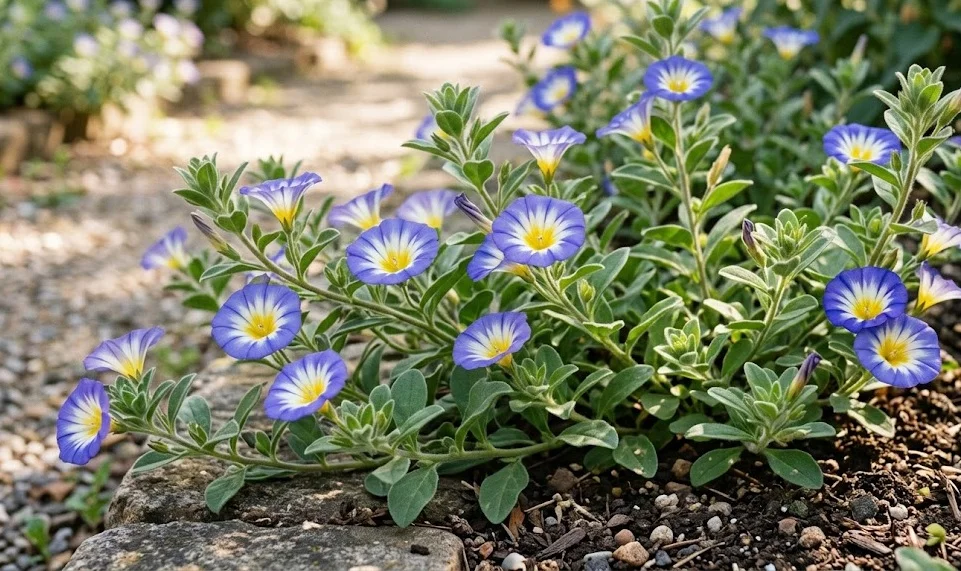

Understanding the lifecycle of the dwarf morning glory is crucial for managing its presence in your garden as the seasons change. In most temperate climates, this plant is treated as a half-hardy annual, meaning it completes its entire lifecycle within a single growing season and does not survive the freezing temperatures of winter. However, for gardeners who live in milder regions or those who are willing to put in a little extra effort, there are ways to ensure its beauty returns year after year. Whether through seed saving or indoor protection, you can maintain the legacy of your favorite floral displays.
As the first autumn frosts approach, you will notice the vibrant green foliage starting to turn yellow and the flower production slowing down. This is the plant’s natural response to the shorter days and cooler nights, signaling that it is time to focus on seed production. For many, this is simply the end of the journey, and the plants are cleared away to make room for spring bulbs. However, if you have grown particularly fond of a specific color variation, this is the perfect time to start thinking about the future.
The most common way to “overwinter” this plant is not by keeping the individual plant alive, but by saving its seeds for the following year. Once the flowers fade, they form small, round seed pods that will eventually turn brown and become brittle as they dry out. You can easily harvest these seeds by hand, making sure they are completely dry before storing them in a cool, dark place. This method is highly effective and ensures that you have a fresh start with healthy, vigorous seedlings every spring.
In very mild, frost-free climates, the dwarf morning glory may behave more like a short-lived perennial, surviving through the winter months with minimal protection. In these areas, the plant might go through a brief period of dormancy where it looks a bit ragged before pushing out new growth as the weather warms up. If you are lucky enough to live in such a region, a thick layer of mulch around the base of the plant can provide extra insulation for the roots. Even then, it is often a good idea to have some seeds saved just in case an unusual cold snap occurs.
Indoor protection for special plants
For those who are truly dedicated, it is sometimes possible to overwinter individual plants by bringing them indoors before the first frost arrives. This is most successful with plants that have been grown in containers throughout the summer, as their root systems are already contained and easy to move. Before bringing them inside, check the plants thoroughly for any pests like aphids or spider mites to avoid introducing them to your indoor space. A quick rinse with a gentle soap solution can help ensure the plants are clean and ready for their winter home.
More articles on this topic
Once inside, your dwarf morning glory will need a very bright spot, such as a south-facing window or a location under supplemental grow lights. The transition from the high-light environment of the garden to the relatively dim interior of a house can be stressful for the plant. You might see some leaf drop as it adjusts to the new conditions, but as long as it has enough light, it should stabilize after a few weeks. Keep the temperature consistent and avoid placing the plant near cold drafts or hot radiators.
Watering needs will change significantly once the plant is indoors and the growth rate slows down. The cooler temperatures and lower light levels mean the soil will stay damp for much longer than it did during the height of summer. Wait until the top inch of soil feels dry before giving the plant a drink, and avoid using any fertilizer during the dark winter months. Overwatering is the most common cause of failure when trying to overwinter plants indoors, so a “less is more” approach is definitely best.
As the days begin to lengthen in late winter, you might notice the plant starting to produce new green shoots. This is a sign that it is waking up from its semi-dormancy and is ready for a little more attention. You can start to increase the watering frequency slightly and perhaps give it a very diluted liquid fertilizer to support the new growth. While it may not bloom as vigorously as it did in the garden, keeping the plant alive until spring gives you a significant head start on the next growing season.
Seed saving techniques for success
Saving your own seeds is one of the most rewarding aspects of gardening and a reliable way to preserve the dwarf morning glory in your collection. To ensure the best results, wait until the seed pods are completely brown and have a papery texture before picking them. If you harvest them too early, the seeds may not be fully developed and will have a much lower germination rate. You can test a few by gently squeezing them; they should feel hard and solid, not soft or green inside.
More articles on this topic
Once you have collected the pods, spread them out on a tray or a piece of paper in a warm, dry room for a few days. This final drying phase is crucial to prevent any mold or rot from developing once the seeds are put into storage. You can then carefully crack open the pods and separate the small, dark seeds from the chaff. Placing the seeds in a paper envelope or a small glass jar with a silica gel packet will keep them in perfect condition until the following spring.
It is always a good idea to label your seed packets with the name of the plant and the year they were collected. If you have different color varieties growing in your garden, they may have cross-pollinated, which can lead to some interesting new color combinations next year. This element of surprise is part of the fun of saving your own seeds and seeing how the plants evolve over time. Share your extra seeds with friends and neighbors to spread the joy of these beautiful Mediterranean flowers even further.
When spring finally arrives, you can sow your saved seeds either indoors or directly into the garden as soon as the soil is warm. Many gardeners find that home-saved seeds often germinate even better than store-bought ones because they are so fresh and adapted to the local environment. By following this simple cycle of harvesting and sowing, you are participating in an ancient tradition of stewardship that has been part of human culture for thousands of years. It is a wonderful way to connect with the natural rhythms of life and the changing seasons.
Preparing the garden for the next season
Even if you don’t save the plants or seeds, how you handle the end of the season can affect your garden’s health next year. Once the first hard frost has turned the foliage brown, it is time to clear the area and tidy up the garden beds. Pull up the dead plants, including as much of the root system as possible, to prevent any potential pests or diseases from lingering in the soil. If the plants were healthy, they can be added to your compost pile where they will eventually break down into rich organic matter.
This is also an excellent time to amend the soil in the planting area with fresh compost or well-rotted manure. Digging in some organic material in the autumn gives it plenty of time to integrate with the soil over the winter months. This ensures that the ground will be rich in nutrients and have a great structure when you are ready to plant again in the spring. A well-prepared garden bed is the best gift you can give to your future self and your new seedlings.
Mulching the cleared area with a layer of straw or fallen leaves can help protect the soil from erosion and keep it from becoming too compacted by winter rains. It also provides a habitat for beneficial soil organisms that work throughout the winter to keep your garden healthy. If you are lucky, some of the seeds that fell naturally from your plants might survive under the mulch and sprout on their own when the weather warms up. These “volunteer” plants are often the strongest and most resilient ones in the entire garden.
Finally, take a moment to reflect on what you learned during the past growing season and make some notes for next year. Perhaps you want to try a different location, or maybe you noticed that a certain color of dwarf morning glory performed particularly well. This kind of planning and reflection is what turns gardening from a simple task into a lifelong journey of discovery and improvement. The quiet months of winter are the perfect time to dream of the vibrant colors and beautiful blooms that will soon return to your outdoor space.