
Maintaining a healthy garden requires a deep understanding of the specific needs of each plant variety within the landscape. The bright-beaded cotoneaster is a versatile evergreen shrub that offers year-round interest with its glossy leaves and vibrant berries. Professional gardeners appreciate its resilience, but achieving the best results requires consistent attention to its fundamental growth patterns. By observing how the shrub interacts with its environment, you can tailor your maintenance routine to support its natural development and longevity.
Successful care starts with recognizing that this species is relatively low-maintenance once it has established a strong root system. During the first two years, the primary focus should be on encouraging deep rooting and structural stability. This involves monitoring the growth rate and ensuring that the branches are not becoming too leggy or sparse. Regular observation allows for early intervention if the plant shows signs of environmental stress or nutrient deficiencies.
The overall health of the shrub is often reflected in the color and density of its foliage throughout the different seasons. In the spring, you should notice a flush of new growth that appears lighter in color before maturing into a deep, waxy green. If the leaves appear dull or start to drop prematurely, it may indicate a problem with the immediate growing conditions. Keeping a garden journal can help track these subtle changes and provide a historical record of the plant’s performance.
As the plant matures, its care requirements shift from establishment to preservation and aesthetic management. This involves balancing the need for occasional intervention with the plant’s ability to thrive on its own. A well-cared-for specimen will maintain a dense habit that provides excellent ground cover or hedging potential. Understanding these habits ensures that your gardening efforts are efficient and yield the most beautiful results for your outdoor space.
Managing soil health for longevity
Soil quality is the foundation of any successful horticultural endeavor, and this shrub is no exception to the rule. While it is known for being adaptable to various soil types, it performs best in well-draining earth that is rich in organic matter. Compaction can be a significant issue, as it prevents oxygen from reaching the roots and hinders proper drainage. Regularly aerating the area around the base of the shrub can help maintain a healthy soil structure.
More articles on this topic
Integrating organic compost into the surrounding soil provides a slow-release source of essential nutrients that support sustained growth. This practice also improves the soil’s ability to retain a balanced amount of moisture without becoming waterlogged. You should aim to apply a layer of quality mulch every spring to help regulate soil temperature and suppress competing weeds. Over time, the decomposition of this mulch will further enrich the subterranean environment.
Testing the soil pH occasionally is a professional habit that can prevent many common growth problems before they occur. This particular shrub prefers a neutral to slightly acidic environment, though it can tolerate a wide range of conditions. If the soil is too alkaline, you may notice yellowing between the leaf veins, a condition known as chlorosis. Amending the soil based on accurate test results ensures that the plant can successfully uptake the minerals it needs.
Microbial activity in the soil plays a crucial role in breaking down organic matter and making nutrients available to the plant. Avoiding the excessive use of harsh chemical pesticides helps protect these beneficial organisms and maintains a living soil ecosystem. Encouraging a natural balance within the garden leads to hardier plants that are more resistant to environmental fluctuations. Sustainable soil management is a long-term investment that pays off in the form of a thriving and beautiful landscape.
Environmental stress and adaptation strategies
Every garden faces environmental challenges, ranging from unexpected heatwaves to prolonged periods of heavy rainfall. The bright-beaded cotoneaster is quite hardy, but extreme conditions can still take a toll on its vigor and appearance. Protecting the shrub from harsh drying winds is particularly important during the transitional seasons of spring and autumn. Windbreaks or strategic placement near other structures can provide the necessary shelter to prevent leaf burn.
More articles on this topic
During periods of intense summer heat, the plant may enter a semi-dormant state to conserve energy and moisture. You might notice the leaves curling slightly or losing some of their glossiness during the peak afternoon sun. Providing temporary shade or increasing the frequency of deep watering can help the shrub navigate these high-stress windows. It is vital to monitor the plant closely during these times to ensure it does not reach a point of permanent wilting.
Urban environments often present unique stressors such as air pollution or salt spray near coastal regions. This species is fortunately quite tolerant of such conditions, making it an excellent choice for city gardens and roadside plantings. However, rinsing the foliage occasionally with clean water can remove dust and pollutants that might clog the leaf pores. This simple task supports better photosynthesis and keeps the plant looking fresh and healthy.
Adapting your care routine to the specific microclimate of your garden is a hallmark of an expert gardener. Areas that receive more morning sun may require different watering frequencies than those in constant afternoon shade. By paying attention to these nuances, you can create a customized plan that addresses the specific needs of your plants. This proactive approach minimizes stress and allows the shrub to reach its full ornamental potential.
Essential seasonal maintenance routines
The changing seasons dictate a specific rhythm for horticultural tasks to ensure the shrub remains in peak condition. Spring is the primary time for revitalization, focusing on cleaning up any debris and applying fresh nutrients. This is also the best window for assessing any damage that may have occurred during the colder months. Removing dead or broken branches early in the season directs the plant’s energy toward healthy new growth.
As summer progresses, the focus shifts toward moisture management and monitoring for any emerging pest issues. The heat can accelerate the life cycles of various insects, so regular inspections of the underside of leaves are necessary. Maintaining a consistent watering schedule is crucial during the hottest months to prevent the soil from drying out completely. This consistency helps the shrub produce the abundant flowers that will eventually become its iconic berries.
Autumn is a season of preparation and appreciation as the berries begin to ripen and color the landscape. It is an ideal time to conduct a final round of weeding and to ensure the mulch layer is sufficient for the coming winter. Reducing nitrogen-heavy fertilization at this stage is important to prevent soft new growth that could be damaged by frost. Instead, focus on maintaining a clean environment around the base of the plant to discourage pathogens.
Winter maintenance is largely hands-off, but it remains a period of quiet observation for the dedicated gardener. You should check the structural integrity of the shrub after heavy snowfalls to ensure the branches are not under excessive weight. If the weather is unseasonably dry and the ground is not frozen, a light watering may be beneficial for this evergreen. These small, thoughtful actions throughout the year contribute to the overall resilience and beauty of the garden.
Monitoring growth and structural integrity
The physical structure of the bright-beaded cotoneaster determines both its aesthetic value and its long-term health. Over time, the internal branches can become crowded, which reduces airflow and increases the risk of disease. Regularly thinning out the center of the shrub allows light to penetrate the interior, promoting foliage growth throughout the plant. A balanced structure is less likely to suffer from limb breakage during storms or heavy winds.
As the shrub grows, it may begin to lean or spread in ways that impact neighboring plants or walkways. Identifying these trends early allows for gentle correction through strategic pruning rather than drastic cutting later on. You should aim for a natural silhouette that reflects the plant’s inherent character while fitting within the designated space. Consistent monitoring ensures that the plant remains an asset to the landscape rather than an overgrown obstacle.
Root health is just as important as the visible parts of the plant, though it is harder to monitor directly. If you notice a sudden decline in growth or an unusual leaning of the entire shrub, there may be issues with the root system. Soil erosion or heavy foot traffic near the base can expose roots to the elements and physical damage. Protecting the root zone with a wide mulch ring is an effective way to safeguard the plant’s foundation.
The transition from a young plant to a mature specimen involves a change in how it allocates its resources. Mature shrubs are more focused on maintaining their existing size and producing fruit than on rapid upward growth. Recognizing this shift helps you adjust your expectations and care techniques for the different life stages of the plant. A well-monitored shrub will age gracefully, providing beauty and structure to the garden for many decades.
Selecting professional tools for maintenance
Using the right tools is essential for performing maintenance tasks effectively and without causing unnecessary harm to the plant. For a shrub like this, a pair of high-quality bypass pruners is the most frequently used item in the gardener’s kit. Sharp blades ensure clean cuts that heal quickly and reduce the entry points for pests and diseases. Investing in professional-grade equipment makes the work easier and provides better results for the health of the shrub.
For larger branches that have matured over several years, a set of loppers or a small folding saw may be required. Attempting to cut thick wood with underpowered tools can crush the stems and lead to jagged wounds. Always ensure that your tools are cleaned and disinfected before moving between different plants in the garden. This simple practice prevents the accidental spread of pathogens that could compromise your entire landscape.
Soil management tools such as a sturdy garden fork or a hand trowel are necessary for amending the earth around the plant. These tools allow you to integrate compost or fertilizer into the top layer of soil without disturbing the delicate surface roots. A high-quality moisture meter can also be a valuable addition for those who want to be precise about their watering. These instruments provide an objective measurement that helps avoid both overwatering and dehydration.
Safety equipment should never be overlooked when performing garden maintenance, especially when working with woody shrubs. Durable gloves protect your hands from scratches and potential irritants that may be present in the garden. Eye protection is also recommended when pruning at head height or working within the dense interior of a large specimen. Being properly equipped allows you to focus on the task at hand and perform it with the precision of an expert.
Enhancing visual appeal through care
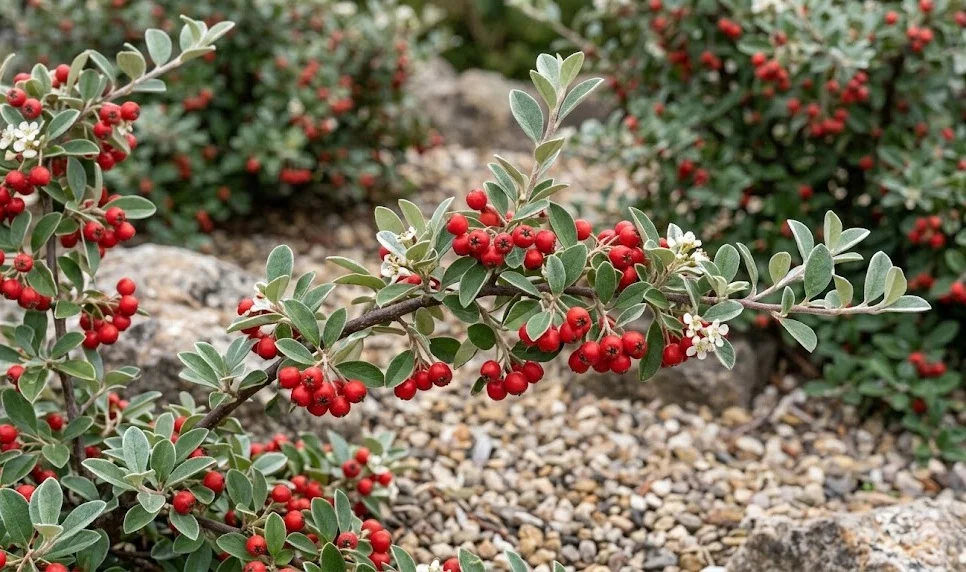
The ultimate goal of many gardeners is to maximize the ornamental impact of their plants within the broader landscape design. The bright-beaded cotoneaster offers a unique combination of textures and colors that can be highlighted through careful management. By keeping the foliage clean and the structure balanced, you allow the natural beauty of the plant to shine. The contrast between the dark green leaves and the bright berries is one of its most compelling features.
Proper care also ensures that the shrub flowers abundantly in the late spring and early summer. These small, often white or pinkish blossoms are not only attractive but also serve as a vital resource for local pollinators. A healthy plant will produce a more uniform and dense display of flowers, which leads to a more impressive berry crop. This cycle of bloom and fruit is a rewarding visual narrative that unfolds in the garden every year.
Strategic placement and companion planting can further enhance the visual appeal of this versatile shrub. It pairs exceptionally well with plants that offer contrasting leaf shapes or complementary flower colors. For example, planting low-growing perennials around the base can create a layered look that adds depth to your garden beds. The evergreen nature of the cotoneaster provides a reliable backdrop for seasonal flowers throughout the year.
Finally, the way you manage the plant’s size and shape can influence the overall feeling of your outdoor space. A neatly trimmed hedge offers a sense of order and formality, while a more loosely pruned specimen feels natural and relaxed. The flexibility of this species allows you to adapt its look to suit your personal style and the architecture of your home. Dedicated care transforms a simple shrub into a centerpiece of horticultural excellence.