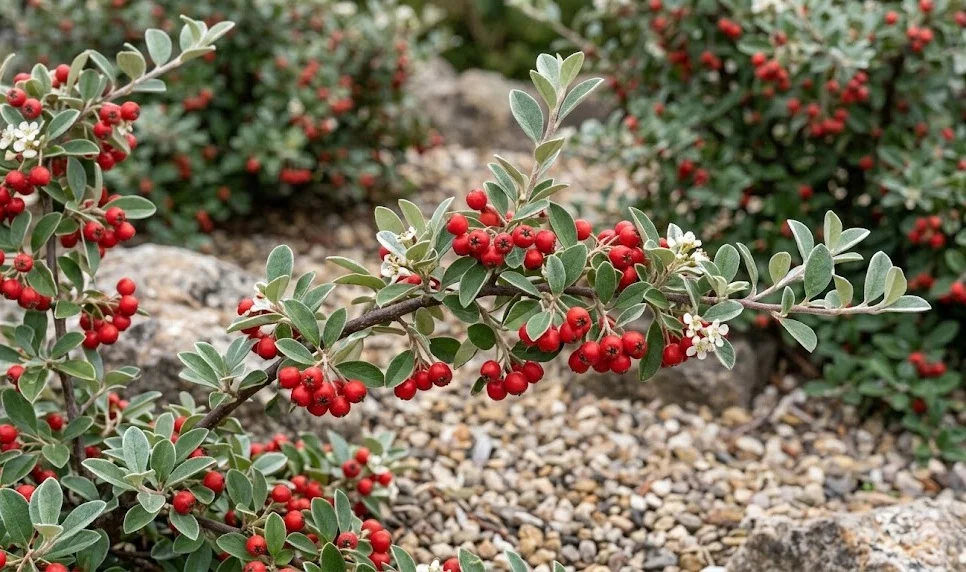

Maintaining a vigilant eye for signs of disease is an essential part of caring for any ornamental shrub in the garden. The bright-beaded cotoneaster is generally robust, but it can fall victim to several fungal pathogens if conditions are right. These issues often arise during periods of high humidity and poor airflow, making environmental management your first line of defense. Understanding what to look for allows you to catch infections early before they cause significant damage to the plant.
Leaf spot is one of the most frequent fungal issues encountered by professional and hobbyist gardeners alike. It typically manifests as small, dark circular lesions on the surface of the leaves, which may eventually cause the foliage to drop prematurely. While a few spots are rarely a cause for alarm, a widespread infection can weaken the shrub by reducing its ability to photosynthesize. Keeping the area around the base of the plant clear of fallen leaves is a vital preventive measure.
Powdery mildew is another common fungal concern that appears as a white, flour-like coating on the leaves and stems. This pathogen thrives in warm, dry days followed by cool, damp nights, which are common in many temperate climates. While it is often mostly an aesthetic issue, it can distort new growth and sap the energy of the plant over time. Pruning to improve internal air circulation is often enough to keep this particular fungus under control without the need for chemicals.
Root rot can occur if the shrub is planted in poorly draining soil or is consistently overwatered by an enthusiastic gardener. Since the damage happens underground, the first visible signs are often a general decline in the plant’s vigor and yellowing of the leaves. By the time the symptoms appear above ground, the root system may already be severely compromised and difficult to save. Ensuring proper drainage and moderate watering is the most effective way to prevent this devastating fungal problem.
Identifying and managing bacterial fire blight
Fire blight is a serious bacterial disease that can affect many members of the rose family, including the cotoneaster. It is caused by the bacterium Erwinia amylovora and is known for the rapid, scorched appearance it gives to infected branches. The most distinctive symptom is the “shepherd’s crook” shape that the tips of the young shoots take as they wilt and blacken. This disease can spread quickly through the plant and to other susceptible species in your garden if left unmanaged.
More articles on this topic
The bacteria typically enter the plant through blossoms or wounds during the warm, moist weather of late spring. You might notice an amber-colored ooze exuding from infected areas, which attracts insects that can spread the pathogen further. If you suspect fire blight, it is crucial to act immediately to prevent the infection from reaching the main trunk. Professional management often involves a combination of cultural practices and precise surgical pruning of the affected areas.
When pruning out fire blight, you must cut at least eight to twelve inches below the visible edge of the infection. It is absolutely essential to sterilize your pruning tools with a solution of alcohol or bleach between every single cut. Failure to do so will simply spread the bacteria to healthy parts of the plant or to other shrubs in your collection. All infected material should be removed from the site and destroyed, never added to a compost pile where the bacteria could persist.
In areas where fire blight is known to be a recurring problem, choosing resistant varieties and avoiding over-fertilization can help. Excessive nitrogen can lead to a flush of soft, succulent growth that is particularly vulnerable to the bacteria. Monitoring your plants closely during the peak infection window of spring is the best way to catch this disease early. While fire blight is a formidable challenge, a proactive and disciplined approach can successfully manage its impact on your landscape.
Pests that target foliage and stems
While the bright-beaded cotoneaster is not particularly prone to major pest infestations, several insects can occasionally cause trouble. Aphids are perhaps the most common, appearing in clusters on the tender new growth in the spring. These small, soft-bodied insects suck the sap from the plant, which can lead to distorted leaves and a sticky residue known as honeydew. In most cases, a strong blast of water from a garden hose is enough to dislodge them and keep their numbers in check.
More articles on this topic
Scale insects are another potential issue, often appearing as small, immobile bumps on the stems or the undersides of leaves. These pests are well-protected by their waxy coverings, making them more difficult to control than many other common garden insects. They feed on the plant’s vascular system, which can cause yellowing of the foliage and a general lack of vigor in heavily infested specimens. Horticultural oils or insecticidal soaps can be effective treatments if applied during the “crawler” stage of their life cycle.
Spider mites are microscopic pests that thrive in hot, dry conditions and can cause the foliage to take on a stippled or bronzed appearance. You might also notice fine webbing between the leaves if the population becomes large enough to cause significant stress. Increasing the humidity around the plant and ensuring it is properly hydrated can make the environment less hospitable for these tiny invaders. Regularly rinsing the dust off the leaves also helps keep spider mite populations from exploding during the summer.
Cotoneaster webworms are specific pests that create silken nests within the branches, where they feed on the surrounding foliage. These caterpillars can quickly strip a section of the shrub if they are not removed manually or treated. Detecting their nests early allows you to simply prune out the affected branch or remove the webbing by hand. Encouraging natural predators like birds and beneficial wasps into your garden provides a long-term, biological solution to these and other pest problems.
Integrated pest management and biological controls
Integrated Pest Management, or IPM, is a professional approach that prioritizes long-term prevention and the use of the least toxic control methods. The first step in this process is accurate identification of the pest and an assessment of the actual damage it is causing. Often, a small number of insects can be tolerated without any significant impact on the plant’s health or appearance. This philosophy protects the beneficial insects that are essential for a balanced and healthy garden ecosystem.
Encouraging natural enemies of pests is a highly effective strategy for maintaining a healthy cotoneaster. Ladybugs, lacewings, and predatory mites all play a vital role in keeping aphid and scale populations under control. By avoiding the use of broad-spectrum chemical pesticides, you allow these helpful allies to thrive and do the work for you. Planting a variety of flowering species nearby provides the nectar and pollen that many of these beneficial insects need to survive.
Cultural practices, such as proper watering and fertilization, are the foundation of any successful pest management plan. A healthy, vigorous shrub is much better equipped to withstand occasional pest pressure than one that is already stressed. Ensuring that the plant has the right amount of light and good airflow also reduces its attractiveness to many common garden pests. Regular inspections are the most powerful tool you have for catching problems while they are still easy to manage.
When a pest population does reach a level that requires intervention, start with the gentlest options first. Mechanical removal, such as hand-picking or using a water spray, is often surprisingly effective for many common issues. If a spray is necessary, choose targeted products like neem oil or insecticidal soaps that have a lower impact on non-target species. This thoughtful and systematic approach ensures that your garden remains a safe and vibrant environment for all its inhabitants.
Preventive measures for a healthy shrubbery
Prevention is always more effective and less expensive than treating a disease or pest infestation after it has taken hold. The most important preventive measure is starting with high-quality, disease-free plants from a reputable nursery. Inspect any new addition carefully for signs of trouble before bringing it into your garden and potentially introducing a new pathogen. Quarantining new plants for a short period can also be a wise precaution for the dedicated collector.
Maintaining a clean garden environment is another simple but powerful way to reduce the risk of many common plant problems. Remove fallen leaves, spent flowers, and any dead wood regularly to eliminate hiding places for pests and overwintering sites for fungi. This is particularly important in the autumn when many pathogens are looking for a place to survive until the following spring. A tidy garden is not just about aesthetics; it is a fundamental part of professional plant health management.
Spacing your plants correctly at the time of planting ensures that they will have enough room for airflow even as they reach maturity. Crowded conditions create a stagnant, humid microclimate that is the perfect breeding ground for many types of fungal diseases. If your older shrubs have become too dense, selective pruning can open up the interior and significantly improve the health of the plant. Air and light are the best natural disinfectants available to any gardener.
Finally, keep a close eye on the weather and be ready to adjust your care routine as conditions change. Extended periods of rain or unusually high heat can create stress that makes the shrub more vulnerable to opportunistic pests and diseases. By staying one step ahead of the environment, you can provide the extra support the plant needs to stay strong. A healthy cotoneaster is a beautiful and resilient addition to any landscape, providing years of trouble-free enjoyment.