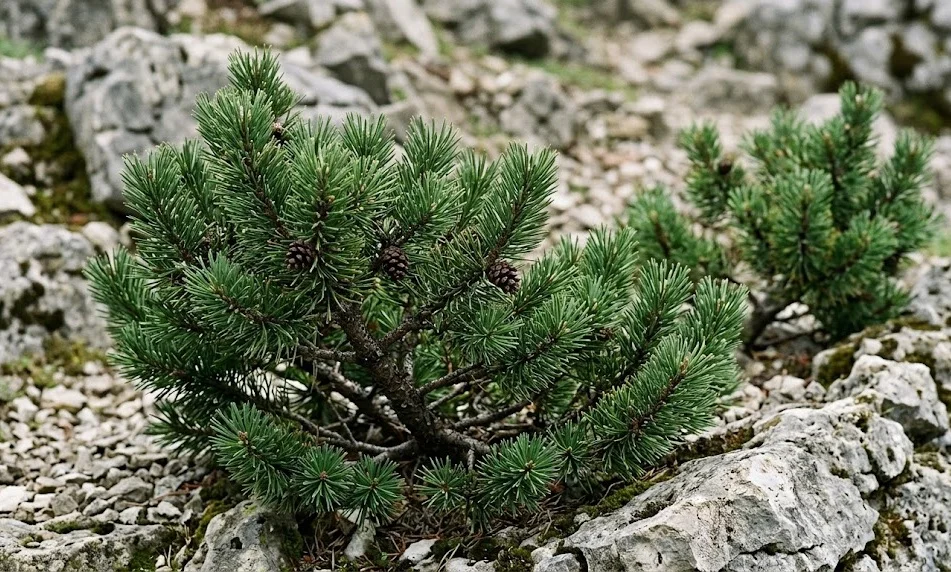

Managing the hydration and nutritional needs of a dwarf mountain pine is a delicate balancing act that changes with the age of the plant and the time of year. While these evergreens are famous for their toughness, they still rely on your intervention to bridge the gap during periods of environmental stress. You must learn to read the subtle signs of the plant to determine when it needs a drink or a boost of nutrients. A consistent and thoughtful approach to these tasks will ensure your pine remains a vigorous and healthy part of your landscape.
Watering is the most critical maintenance task during the first few years after planting. You should aim to keep the root ball moist but never waterlogged, as excess water is the primary cause of root problems in pines. Once established, the plant becomes much more independent, but it still benefits from deep watering during prolonged dry spells. Understanding the specific drainage characteristics of your soil is key to developing a successful watering routine.
Fertilization is often misunderstood, with many people either over-feeding or completely neglecting their evergreens. You should treat fertilizer as a supplement to healthy soil rather than a primary source of vitality. A light touch is always better when it comes to feeding dwarf pines, as they have evolved to thrive in nutrient-poor environments. This article will provide you with a professional framework for keeping your pine perfectly hydrated and nourished.
By mastering these two aspects of care, you can prevent many of the common issues that plague garden evergreens. Proper watering and feeding support the plant’s natural immune system, making it more resistant to pests and diseases. You will find that a well-maintained pine has a richer color and a more robust growth habit than one that is left to fend for itself. Let’s explore the technical details of keeping your dwarf mountain pine in peak condition.
Fundamental watering principles
The goal of watering a dwarf mountain pine is to reach the entire root zone, which can extend quite deep and wide as the plant matures. You should always water at the base of the plant rather than spraying the foliage to keep the needles dry. Wet needles can encourage the growth of fungal spores, especially in humid or stagnant conditions. A slow, steady drip or a soaker hose is the most efficient way to deliver water where it is needed most.
More articles on this topic
During the first growing season, you should check the soil moisture at least twice a week. You can use a simple wooden dowel or your finger to feel the moisture levels several inches below the surface. If the soil feels dry at that depth, it is time for a thorough watering that penetrates deep into the ground. As the plant becomes established, you can gradually reduce the frequency but should maintain the depth of each watering.
The type of soil you have will dictate how often you need to bring out the hose. Sandy soils drain very quickly and may require more frequent attention, while loamy soils hold moisture much longer. You must be especially careful in clay soils, where water can pool at the bottom of the planting hole and rot the roots. Adapting your watering schedule to your soil type is a hallmark of an experienced and successful gardener.
Environmental factors like wind and temperature also play a significant role in how much water your pine loses. On hot, windy days, the needles can lose moisture through transpiration much faster than on a calm, cool day. You should be prepared to increase your watering efforts during heatwaves, even for mature and established plants. Keeping the plant hydrated during these stressful periods prevents the needles from browning or dropping prematurely.
Seasonal watering adjustments
In the spring, as the new growth “candles” begin to expand, the plant’s demand for water naturally increases. You should ensure the soil is consistently moist during this period of rapid biological activity. If the spring is unusually dry, supplemental watering is essential to support the development of strong, healthy new branches. This is the foundation for the entire year’s growth, so don’t let the plant start the season in a state of thirst.
More articles on this topic
Summer brings the greatest challenge for maintaining proper hydration levels in your garden. You should focus on deep watering in the early morning or late evening to minimize evaporation losses. Mulching is your best friend during the summer months, as it keeps the soil cool and prevents moisture from escaping. If you notice the needles looking slightly dull or losing their luster, it may be a sign that the plant is under water stress.
As autumn arrives, you should not stop watering just because the temperatures are dropping. In fact, ensuring your dwarf mountain pine is well-hydrated before the ground freezes is one of the most important things you can do. Roots continue to function as long as the ground is not frozen, and a hydrated plant is much more resistant to winter desiccation. You should continue to water during dry autumn spells until the first hard freeze occurs.
Winter watering is only necessary in regions where the ground does not freeze for long periods or during extended winter droughts. If you have a particularly dry and snowless winter, you can water the plant on a day when the temperature is above freezing. This prevents the “freeze-drying” effect that can kill evergreen foliage when the roots cannot replace lost moisture. Observing your plant throughout the winter helps you decide if a mid-season drink is necessary.
Choosing and applying fertilizer
When it comes to fertilizing a dwarf mountain pine, less is almost always more. You should choose a fertilizer specifically formulated for evergreens or acid-loving plants, which typically has a balanced ratio of nitrogen, phosphorus, and potassium. A slow-release granular formula is ideal because it provides a steady supply of nutrients over several months. You should avoid high-nitrogen fertilizers that can lead to excessive, weak growth that ruins the plant’s compact form.
The best time to apply fertilizer is in the early spring, just before the new growth begins. This timing allows the nutrients to be available when the plant is most active and can use them most effectively. You can also do a light follow-up application in early summer if your soil is particularly poor. However, you must stop all fertilization by mid-summer to avoid encouraging new growth that won’t have time to harden off before winter.
Application technique is just as important as the type of fertilizer you choose to use. You should spread the granules evenly over the soil surface, starting a few inches from the trunk and extending out to the drip line. After applying the fertilizer, water the area thoroughly to help the nutrients move down into the root zone. Never allow fertilizer granules to sit directly against the bark, as this can cause chemical burns to the plant.
If your dwarf mountain pine is growing in a lawn that is frequently fertilized, it may already be receiving enough nutrients. You should be careful not to double-feed the area, which can lead to salt buildup in the soil. Soil testing is the only way to know for sure what nutrients are lacking in your garden. By being precise with your fertilization, you support the plant’s long-term health without forcing unnatural or unhealthy growth.
Signs of nutrient and water stress
Learning to identify the signs of stress in your dwarf mountain pine allows you to intervene before the damage becomes permanent. When a pine is thirsty, the needles may appear slightly limp or turn a dull, grayish-green color. If the underwatering is severe, the tips of the needles will begin to turn brown and eventually the entire needle will drop. You should act quickly to restore hydration if you see these symptoms appearing on your plant.
Overwatering presents a different set of symptoms that can often be confused with drought stress. If the soil is constantly saturated, the roots will begin to die, and the needles will often turn a sickly yellow. You might also notice a soft, mushy texture at the base of the trunk or a sour smell coming from the soil. If you suspect overwatering, you must stop watering immediately and try to improve the drainage in the surrounding area.
Nutrient deficiencies often manifest as specific color changes in the foliage that are not related to moisture levels. A lack of nitrogen usually causes a general yellowing of the entire plant, while a lack of iron causes yellowing between the veins of the needles. Magnesium deficiency can lead to browning of the needle tips, often appearing first on the older growth. Identifying these specific patterns helps you choose the right corrective fertilizer to fix the problem.
Salt burn from over-fertilization or road salt can cause the tips of the needles to turn brown very suddenly. If you suspect you have over-fertilized, you can try to “leach” the soil by watering deeply and frequently for several days. This helps wash the excess salts away from the sensitive root zone before they can do more damage. Monitoring your plant closely after any maintenance task is a key part of professional garden management.
Maintaining the root environment
The health of the roots is the hidden factor that determines the beauty of everything you see above ground. You should prioritize protecting the root zone from compaction, which can happen if people walk too close to the plant. Using a thick layer of mulch not only helps with water and nutrients but also acts as a physical barrier. A healthy root environment is one where oxygen, water, and nutrients can move freely through the soil.
Organic matter in the soil is vital for supporting the beneficial fungi and bacteria that help pines take up nutrients. You can periodically top-dress the area with a thin layer of high-quality compost to replenish the organic content. This mimics the natural forest floor where needles and other debris break down to nourish the trees. You should avoid tilling the soil near the pine, as many of its most important roots are located quite close to the surface.
If you are growing your dwarf mountain pine in a container, the root environment is even more restricted and vulnerable. You must use a high-quality potting mix that offers superior drainage and won’t break down too quickly. Potted plants need more frequent watering and fertilizing because they have a limited volume of soil to draw from. You should also consider repotting every few years to refresh the soil and check for any root-bound issues.
Finally, remember that the root system of a dwarf mountain pine is often much larger than the visible mound of foliage. You should manage the entire area around the plant to ensure a healthy ecosystem for the roots. Avoiding the use of harsh herbicides or pesticides near the root zone is a good practice for long-term health. When you take care of the roots, the rest of the plant will largely take care of itself.