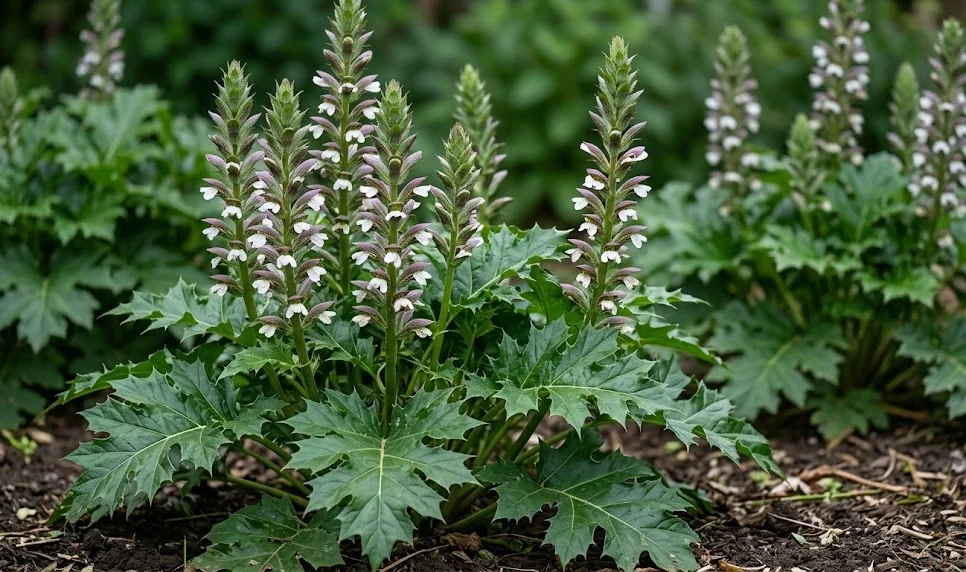

The maintenance of this architectural perennial requires a nuanced understanding of its growth habits and environmental preferences to ensure it thrives in the garden. This species is celebrated for its deeply lobed, glossy foliage and its impressive spikes of hooded flowers that bring a touch of classical elegance to any landscape. While it is generally considered a hardy and resilient plant, achieving the best visual results involves consistent monitoring throughout the growing season. Professionals often value this plant for its ability to provide structure and texture, making it a staple in large-scale perennial borders.
Successful care begins with establishing a stable environment where the plant can remain undisturbed for several years. Because it develops a deep and extensive root system, it does not respond well to frequent relocation or significant soil disturbance near the crown. Gardeners should focus on keeping the area around the base free from aggressive weeds that might compete for nutrients during the early spring growth phase. Providing a thick layer of organic mulch can help maintain soil moisture levels while also suppressing unwanted vegetation effectively.
Monitoring the health of the leaves is a primary task, as the foliage is the plant’s most prominent feature for much of the year. During periods of high humidity, the large leaves can be prone to certain environmental stresses that diminish their aesthetic appeal. It is important to inspect the underside of the foliage regularly to catch any early signs of distress or physiological imbalance. Maintaining good air circulation around the plant is one of the most effective ways to ensure the leaves remain vibrant and functional throughout the summer.
As the plant matures, it will produce tall flower spikes that can reach significant heights, requiring occasional attention to maintain their upright posture. In most cases, the stems are sturdy enough to support themselves, but in exceptionally windy locations, some discrete staking might be necessary. Once the flowering period has concluded, the decision to leave or remove the spikes depends on the desired garden aesthetic and whether seed production is wanted. Professional care involves balancing the plant’s natural life cycle with the visual requirements of a well-maintained horticultural space.
Soil and site stability
The foundation of long-term health for this perennial lies in the physical and chemical composition of the soil in which it is anchored. It prefers a medium that is rich in organic matter but possesses excellent drainage capabilities to prevent root issues during dormant periods. Deep, loamy soils allow the rhizomes to expand naturally, which in turn supports more robust leaf production and taller flower stalks. Soils that are overly compacted or high in clay content should be amended with grit or compost before the plant is introduced to the site.
More articles on this topic
Site stability is a critical factor because this species is known for its “immortality” once it has become fully established in a specific location. The deep taproots and fleshy rhizomes make it very difficult to remove entirely if the gardener changes their mind later. Therefore, choosing a permanent spot is a professional necessity to avoid the emergence of unwanted sprouts from root fragments left behind. A well-chosen site ensures that the plant can focus its energy on vertical growth rather than recovering from the shock of transplantation.
Soil pH also plays a minor but notable role in the overall vitality and nutrient uptake of the root system. While the plant is adaptable to various conditions, it tends to perform best in slightly acidic to neutral environments where minerals are readily available. If the soil is excessively alkaline, certain micronutrients might become locked, leading to a slight yellowing of the leaf margins over time. Regular soil testing and the addition of well-rotted leaf mold can help maintain the ideal chemical balance for sustained vigor.
Managing the soil surface around the plant involves a cycle of renewal that mimics natural forest floor conditions. Each spring, refreshing the mulch layer provides a slow release of nutrients while protecting the crown from sudden temperature fluctuations. Care should be taken not to bury the crown too deeply under mulch, as this can encourage moisture retention in areas that need to stay dry. A balanced approach to soil management creates a resilient base that supports the plant through both drought and heavy rain.
Foliage and aesthetic management
The architectural value of the foliage is often the primary reason for including this plant in professional garden designs. Each leaf is a masterpiece of natural geometry, featuring sharp lobes and a dark green color that provides a perfect backdrop for smaller perennials. To maintain this high level of visual impact, any leaves that show signs of tattered edges or heat stress should be removed promptly. This selective grooming encourages the plant to direct its resources toward the production of fresh, healthy leaves from the center of the crown.
More articles on this topic
During the peak of the summer heat, the large surface area of the leaves can lead to high rates of transpiration, sometimes causing temporary wilting. This is often a natural defense mechanism, but consistent wilting may indicate that the plant is struggling with its current placement or water supply. Ensuring that the foliage has enough space to expand without being crowded by neighboring plants is essential for maintaining its structural integrity. Airflow is the key to keeping the leaves dry and preventing the accumulation of dust or debris on the glossy surfaces.
The color of the foliage serves as a reliable indicator of the plant’s internal health and nutrient status. A deep, consistent green suggests that the root system is functioning efficiently and that the soil provides adequate nitrogen. If the leaves appear pale or start to develop chlorotic patterns, it may be time to reassess the fertilization routine or the soil’s drainage capacity. Professional gardeners often use the foliage as a living gauge to fine-tune their care protocols throughout the growing season.
As the season progresses toward autumn, the foliage may begin to take on a more weathered appearance as the plant prepares for dormancy. While some gardeners prefer to leave the leaves intact for winter interest, removing the most damaged ones can improve the overall look of the border. In regions with milder winters, the foliage may remain semi-evergreen, providing a rare structural element during the colder months. Understanding the local climate is vital for deciding how much foliage management is required as the year draws to a close.
Flower spike development
The emergence of the flower spikes in early summer is a highlight of the gardening year, signaling a transition into the peak growing phase. These spikes are composed of numerous individual flowers protected by sharp, purplish bracts that add to the plant’s unique appearance. During the development stage, it is important to ensure the plant has sufficient moisture to support the rapid vertical growth of these heavy stems. Lack of water at this critical juncture can result in stunted spikes or a reduced number of blooms per stalk.
The structural strength of the flower stems is usually sufficient to withstand moderate winds and the weight of the blossoms. However, in gardens that are particularly exposed or receive heavy summer storms, providing some subtle support can prevent the stems from snapping. Using dark-colored stakes or hidden ties allows the plant to maintain its natural silhouette while gaining a bit of extra security. This is especially important for specimens that have reached their full height, which can often exceed four or five feet.
Pollinators are naturally drawn to the unique structure of the flowers, making the plant a valuable addition to any wildlife-conscious garden. Bees, in particular, are adept at navigating the hooded flowers to reach the nectar, providing a lively display of activity in the mid-summer border. Encouraging this biodiversity is a key aspect of modern professional gardening, as it supports the health of the entire local ecosystem. The presence of beneficial insects can also help manage other minor garden issues naturally.
Once the flowers have finished blooming, the spikes enter a seed-producing phase that can be quite visually interesting in its own right. The dried bracts take on a sculptural quality that remains attractive long after the colors have faded from the petals. If the goal is to prevent self-seeding, the spikes should be cut back to the base shortly after the flowering period ends. For those who enjoy the architectural look of dried seed heads, leaving them until late winter can provide a striking silhouette against the frost.
Long-term health strategies
Ensuring the longevity of this perennial involves more than just daily care; it requires a strategic approach to garden placement and competition management. Because the plant is so long-lived, it must be situated where it will not be overshadowed by fast-growing shrubs or trees in the future. Over time, the clump will naturally expand, and keeping the surrounding area open will allow it to reach its full potential without stress. Professional maintenance schedules should include a biennial review of the plant’s footprint within the garden design.
Root health is the silent engine that drives the impressive top growth seen every spring and summer. Avoiding deep cultivation near the base of the plant prevents accidental damage to the thick, fleshy roots that store energy for the following year. If the plant seems to be losing vigor after many years, it may be a sign that the soil has become exhausted or the center of the clump is too dense. In such cases, a professional rejuvenation strategy might involve carefully thinning the outer edges of the root mass.
Climate adaptation is another factor that influences long-term success, as extreme weather patterns become more common in many regions. Selecting mulch materials that offer both insulation and breathability helps the plant navigate erratic temperature shifts. In areas prone to heavy rainfall, improving the soil structure with inorganic materials like gravel can prevent long-term root rot. A proactive approach to environmental management ensures that the plant remains a permanent and thriving fixture in the landscape.
Finally, documentation and observation are the hallmarks of expert care for any significant garden specimen. Keeping records of flowering dates, growth rates, and any issues encountered helps in refining the care routine over several years. This historical data allows the gardener to anticipate the plant’s needs and respond before any minor problems become significant. Such dedication to detail results in a specimen that not only survives but becomes a true focal point of horticultural excellence.
Seasonal maintenance cycles
Spring is the most active time for maintenance, as the first signs of new growth emerge from the warming soil. This is the ideal window for clearing away any debris from the previous year and applying a fresh layer of nutrient-rich compost. As the leaves unfurl, they are particularly tender and should be protected from late frosts if the weather remains unpredictable. Early spring is also the best time to check the soil moisture levels and ensure the roots have enough hydration to support the initial growth spurt.
Summer maintenance focuses on hydration and the management of the impressive flower spikes that define the plant’s character. Regular monitoring for any signs of leaf stress or pest activity ensures that the plant remains in peak condition during the hottest months. If the weather is exceptionally dry, deep watering sessions are more effective than frequent shallow applications. This encourages the roots to grow deeper into the soil, increasing the plant’ Ivory’s overall resilience to environmental fluctuations.
Autumn brings a shift in focus toward preparing the plant for its period of winter dormancy. As the growth rate slows, the frequency of watering can be reduced, and the final cleanup of the foliage can begin. Some gardeners choose to leave the architectural seed heads for winter interest, while others prefer a more manicured look by cutting everything back. Regardless of the chosen aesthetic, ensuring the area is clear of fallen leaves from nearby trees will help prevent moisture-related issues during the wet months.
Winter is a time of rest for the plant, but the gardener should still keep an eye on the site’s drainage. Excessive standing water during the cold season is one of the few things that can truly threaten the survival of an established specimen. If the region experiences heavy snow, the weight can sometimes flatten any remaining foliage or stems, so a quick check after storms is beneficial. Providing a light protective layer over the crown in extremely cold zones ensures a successful return in the following spring.
Integration in professional landscapes
In a professional landscape setting, this plant is often used to create a sense of permanence and classical structure. Its large leaves provide a dramatic contrast to fine-textured grasses or small-leaved shrubs, making it an excellent choice for textural layering. Designers frequently place it at the back of a border or as a specimen plant in a courtyard where its architectural form can be fully appreciated. The consistency of its growth habit makes it a reliable choice for formal and informal garden styles alike.
The plant’s ability to tolerate a range of light conditions, from full sun to partial shade, adds to its versatility in complex garden layouts. This adaptability allows it to be used as a bridge between sun-drenched lawn areas and the cooler, shaded zones under a tree canopy. When planning a large garden, it is helpful to use this species in groups of three or five to create a rhythmic visual flow. Such mass plantings amplify the dramatic effect of the foliage and the tall flower spikes during the summer.
Managing the boundaries of the plant is also a key consideration for maintaining a professional appearance in the garden. While it is not considered invasive, its ability to regrow from root fragments means it should be placed where its expansion can be easily monitored. Edging the planting area or using underground barriers can help keep the clump contained within its designated space. This proactive containment ensures that the plant remains a welcome part of the design rather than an encroaching nuisance.
Ultimately, the goal of expert care is to showcase the natural majesty of the plant while ensuring it remains healthy and manageable. By following a consistent maintenance routine that addresses soil quality, water needs, and seasonal tasks, any gardener can achieve professional results. The reward is a stunning perennial that returns year after year, providing a timeless beauty that few other plants can match. Its presence in the garden is a testament to the skill and patience of the person who tends to it.