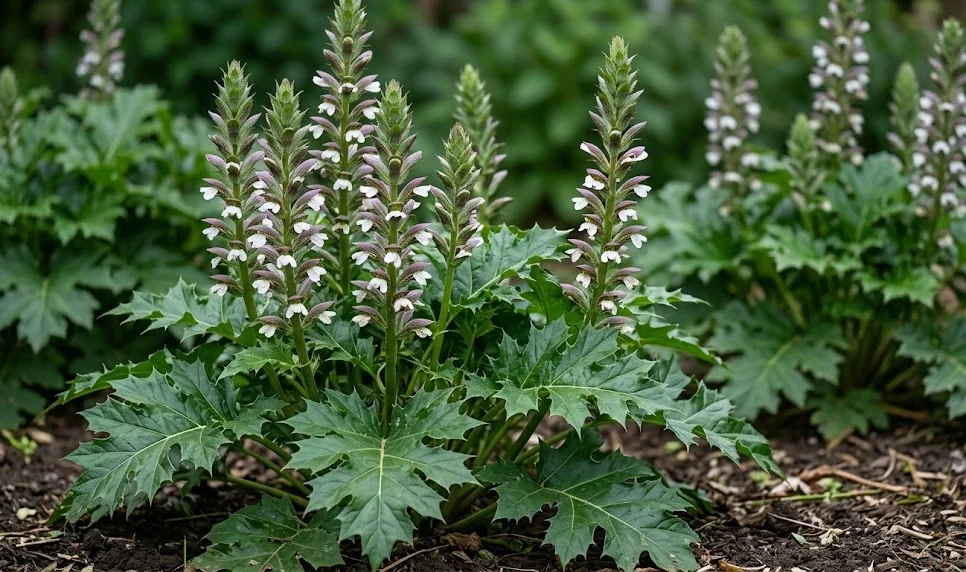

Ensuring the survival of this architectural perennial through the coldest months of the year is a key task for any professional gardener. While the species is generally considered hardy in many temperate climates, the transition into winter requires specific preparation to protect the dormant root system. The goal is to manage the challenges of freezing temperatures and excessive moisture, which can both threaten the health of the plant. A well-executed overwintering strategy ensures that the plant returns with vigor in the spring, ready to produce its signature foliage and flowers.
As the days shorten and the temperatures begin to drop, the plant will naturally start its journey into dormancy. This process is marked by a gradual yellowing and eventual collapse of the large, glossy leaves as the plant withdraws nutrients back into its fleshy rhizomes. Understanding this biological transition is important, as it signals the time to adjust maintenance routines and begin protective measures. The focus shifts from supporting active growth to preserving the energy stored in the underground root system.
Winter hardiness can vary depending on the specific location and the conditions of the local soil. In areas with well-drained soil, the plant can often withstand significant freezes without any lasting damage to its core. However, in heavy clay soils that hold water, the combination of cold and wetness can be particularly dangerous, potentially leading to rot. Professional overwintering involves assessing these site-specific risks and taking appropriate actions to mitigate them before the ground freezes solid.
Providing a protective layer over the crown is one of the most effective ways to insulate the plant from the harshest winter weather. This layer acts as a buffer against rapid temperature fluctuations, which can sometimes be more damaging than sustained cold. It also helps to keep the area around the base slightly drier, providing an extra layer of defense against moisture-related issues. By following a consistent winter care routine, the gardener ensures the long-term stability and health of this impressive garden specimen.
Cold tolerance and dormant phases
The inherent hardiness of this species allows it to survive in a wide range of temperatures, often down to several degrees below zero. During the dormant phase, the plant shuts down its metabolic processes and waits for the return of warmer weather. This state of rest is essential for the plant’s long-term health, as it allows for a period of rejuvenation and energy conservation. Understanding that the plant is still “alive” underground, even when no foliage is visible, is the first step toward effective winter care.
More articles on this topic
In regions with milder winters, the foliage may remain semi-evergreen, retaining some of its color and structure throughout the season. If this occurs, it is best to leave the healthy leaves alone, as they can provide a small amount of photosynthesis and protection for the crown. However, if the leaves become severely tattered or damaged by frost, they should be removed to maintain a tidy appearance. This adaptability to different winter climates is one of the reasons the plant is so popular in professional landscape designs.
The timing of the first hard frost usually marks the end of the growing season and the final collapse of the remaining foliage. Once this happens, the plant has fully entered its protective dormant state and is ready for the gardener’s intervention. It is a good practice to mark the location of the plant with a stake if there is a risk of accidentally digging it up or stepping on the crown during winter maintenance. This simple precaution prevents physical damage to the plant while it is “invisible” above the soil line.
Snow cover can actually be a beneficial factor during the winter, as it provides a natural layer of insulation for the ground. A thick blanket of snow keeps the soil temperature relatively stable and protects the roots from the drying effects of cold winds. In areas where snow is infrequent but temperatures are low, the gardener must recreate this insulation using other materials. This proactive management ensures that the plant’s internal reserves are not depleted by the stress of extreme cold.
Protective mulching and crown care
Applying a generous layer of mulch in the late autumn is the cornerstone of a professional overwintering strategy. This mulch should be composed of organic materials that are both insulating and breathable, such as bark chips, straw, or well-rotted leaf mold. A depth of three to four inches is usually sufficient to protect the crown from the deepest freezes while still allowing for air exchange. This layer also prevents the “frost heave” effect, where cycles of freezing and thawing can push the plant’s roots out of the ground.
More articles on this topic
Care should be taken when applying the mulch to ensure it covers the entire area where the roots are located. The rhizomatous nature of the plant means that the underground system can spread quite far from the original planting center. By mulching a wide circle around the base, you protect the newest growth points that will emerge in the spring. It is a professional touch that ensures a more expansive and even display when the growing season begins.
In particularly cold zones, some gardeners choose to place a specialized winter cover or a layer of evergreen branches over the mulched crown. These extra measures provide an additional windbreak and help to trap any available heat from the ground. While not strictly necessary for established plants in most temperate areas, these precautions can be a lifesaver for young specimens or those planted in exposed locations. The goal is always to provide the most stable environment possible for the dormant roots.
As the winter progresses, it is a good idea to check on the status of the mulch after heavy wind or rain storms. If the protective layer has been washed away or compressed too much, a quick top-up will maintain its effectiveness. Keeping the mulch loose and airy is important, as a compacted, sodden layer can actually promote rot rather than prevent it. This simple monitoring task ensures that the plant remains protected until the first signs of spring appear.
Winter drainage and site management
One of the greatest threats to the survival of this perennial during the winter is the presence of stagnant water around the roots. Fleshy rhizomes are particularly susceptible to rot if they are forced to sit in cold, waterlogged soil for extended periods. Professional site management involves ensuring that the planting area is properly graded so that excess water can drain away from the crown. If the garden is prone to winter flooding, it may be necessary to plant the specimen on a slight mound or in a raised bed.
Improving the soil structure with grit or organic matter before planting is the best long-term solution for drainage issues. However, if the plant is already established and the soil is heavy, the gardener must find other ways to manage moisture. Clearing away fallen leaves from nearby trees will prevent a sodden mat from forming over the crown, which can trap moisture and encourage disease. Keeping the surface of the soil relatively clean is a small but important part of a professional winter maintenance routine.
If the winter is exceptionally wet, it is best to avoid walking on the soil near the plant to prevent compaction. Compacted soil has fewer air pockets, which further restricts drainage and makes it harder for the roots to “breathe” once they start growing again. Laying down a few temporary stepping stones or boards can allow for necessary garden access without damaging the soil structure. This attention to soil health is a hallmark of an expert gardener who understands the invisible factors affecting plant survival.
In some cases, the use of a simple “rain hat” or a piece of slate placed at a slight angle over the crown can help to divert the heaviest rainfall. This should be done carefully to ensure that it does not trap too much humidity or provide a home for rodents. The idea is to keep the most sensitive part of the plant—the crown—relatively dry while allowing the rest of the root system to receive natural hydration. It is a targeted intervention that can be very effective in high-rainfall regions.
Spring emergence and transition
The return of the plant in the spring is one of the most rewarding moments for any gardener who has carefully managed its overwintering. As the soil begins to warm, the first purple-tinged shoots will start to push through the mulch, signaling that the dormant phase is over. This is the time to gradually pull back the thickest layers of winter protection to allow the new growth to reach the light. Doing this in stages allows the tender new leaves to acclimate to the outdoor air without being shocked by a sudden change.
Once the danger of a hard frost has passed, the old mulch can be either incorporated into the soil or replaced with a fresh, thinner layer for the summer. It is also the ideal time to apply a balanced fertilizer to support the rapid growth that is about to occur. Any remnants of the previous year’s foliage that were left for protection should be cut back cleanly to make room for the new canopy. This spring cleanup sets the stage for a productive and beautiful growing season.
If the spring is particularly cold and wet, keep an eye on the emerging shoots for any signs of slugs or snails, which are often the first pests to arrive. A little extra protection during these first few weeks will ensure that the leaves develop their full architectural form without being damaged. It is also a good idea to check the soil moisture levels, as the plant’s water demands will increase rapidly as its leaf surface area grows. A smooth transition from winter dormancy to spring growth is the result of consistent, professional care throughout the year.
Ultimately, successful overwintering is about understanding the natural cycle of the plant and providing the support it needs to thrive. By addressing the challenges of cold, moisture, and drainage, you ensure that this stunning perennial remains a permanent fixture in the garden. Each year that the plant returns stronger and larger is a testament to the skill and dedication of the gardener. It is this cycle of renewal that makes gardening with such enduring and beautiful species so fulfilling.