
Pruning this architectural perennial is a task that combines aesthetic considerations with the practical needs of the plant’s health and vigor. Unlike many other garden plants that require complex shaping, the pruning process here is primarily focused on the removal of spent material and the rejuvenation of the foliage. Done correctly, it ensures that the plant remains a tidy and impressive feature in the landscape throughout the entire growing season. A professional approach involves knowing exactly when and how to intervene to support the plant’s natural life cycle without causing unnecessary stress.
The primary reason for pruning is to manage the transition from the peak flowering phase into the late summer and autumn dormancy. The tall flower spikes, while beautiful in their prime, eventually begin to fade and turn brown as the seeds develop. Deciding whether to remove these spikes immediately or leave them for their structural value is a choice that affects both the plant’s energy and the garden’s overall look. In many professional designs, a clean-cut appearance is preferred to keep the focus on the lush green foliage that remains after the blooms have passed.
Foliage management is another key aspect of pruning, as the large leaves can occasionally become tattered or diseased over time. Removing damaged or yellowing leaves not only improves the plant’s appearance but also allows more light and air to reach the center of the crown. This selective grooming encourages the production of new, healthy leaves, extending the period of visual interest well into the autumn. It is a simple but effective way to keep the specimen looking its absolute best with very little effort.
The timing of the final cut-back at the end of the year is also an important decision for the gardener to make. Some prefer to leave the architectural seed heads and foliage for winter interest, while others choose to clear the site completely to prevent pest and disease issues. Regardless of the chosen style, using sharp, clean tools is essential for making precise cuts that heal quickly and do not invite infection. By following a consistent pruning routine, the gardener ensures that the plant remains a healthy and permanent highlight of the horticultural landscape.
Removing spent flower spikes
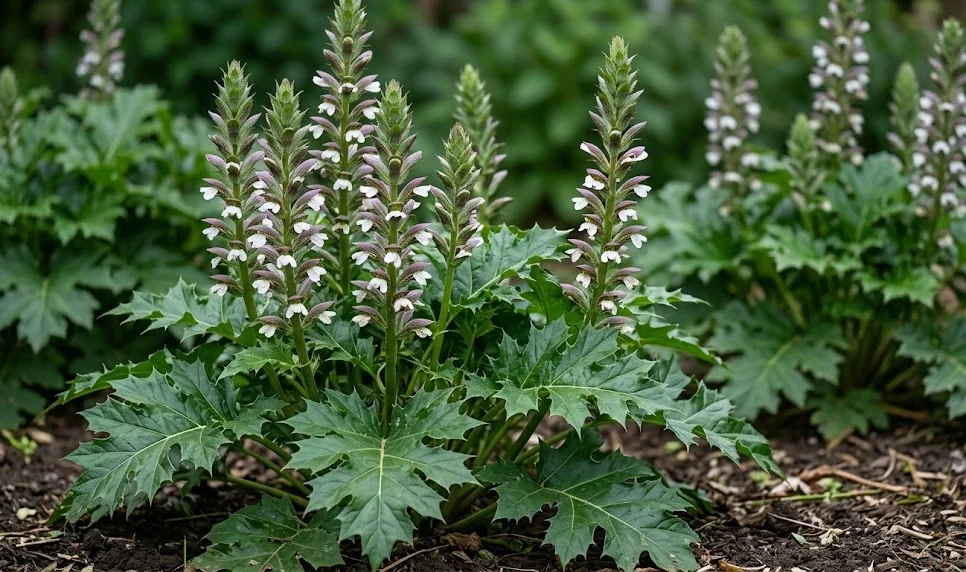
Once the blooming period has finished and the individual flowers have withered, the spikes enter a phase of seed maturation. If you do not wish to collect seeds or allow the plant to self-sow, the most professional course of action is to cut the spikes back to the base. This should be done by following the stem down into the center of the leaf rosette and making a clean cut as close to the crown as possible. This redirected energy can then be used by the plant to strengthen its root system and produce more foliage for the remainder of the season.
More articles on this topic
If the spikes are left on the plant, they can remain upright for many months, providing a sculptural element that many designers find attractive. Over time, the bracts will turn a silvery-brown color, creating a striking contrast against the dark green leaves. However, keep in mind that the weight of the developing seeds can sometimes cause the spikes to lean or fall over, especially after a heavy rain. If this happens, it is usually better to remove them to prevent them from smothering the foliage beneath.
In some cases, the gardener may choose to harvest the spikes for use in dried floral arrangements, where they can last for years. To do this, cut the stems just as the last flowers are fading but before the bracts become too brittle or weathered. Hang the spikes upside down in a cool, dark, and well-ventilated place until they are completely dry and rigid. This practice allows you to enjoy the architectural beauty of the plant both inside the home and in the garden.
Always be mindful of the sharp, thorn-like bracts that protect the flowers when handling the spikes during pruning. Wearing sturdy garden gloves is a professional necessity to avoid painful scratches and skin irritation. The structural integrity of the stems is quite impressive, so using a pair of sharp bypass pruners will make the task much easier and cleaner. Once removed, the spikes can be shredded and added to the compost pile, provided they are not yet carrying viable seeds that you want to avoid spreading.
Rejuvenating the foliage and grooming
Throughout the summer, the large leaves of the plant are subject to various environmental stresses, from intense sun to physical damage by wind or pests. A proactive gardener will regularly inspect the foliage and remove any leaves that are more than fifty percent damaged or discolored. By cutting these leaves back to the base, you allow the younger, more vibrant leaves in the center of the clump to have more room to expand. this “thinning” process also improves air circulation, which is vital for preventing fungal issues like powdery mildew.
More articles on this topic
If the entire plant starts to look weathered and tired in the late summer heat, a more drastic rejuvenation pruning can sometimes be beneficial. This involves cutting back all of the oldest leaves, leaving only the freshest growth in the center of the crown. While this might temporarily reduce the size of the clump, the plant will quickly respond with a flush of new, glossy foliage if it is well-watered. This technique is particularly useful for specimens that are growing in very prominent locations where a perfect appearance is required.
When pruning the leaves, it is important to cut the leaf stalk (petiole) as close to the main crown as possible without damaging the surrounding stems. Leaving long, jagged stubs can look untidy and may provide an entry point for rot or pests as the tissue dies back. A clean, angled cut allows moisture to run off the wound, facilitating faster healing and keeping the crown healthy. This attention to detail is what separates a professional maintenance routine from a casual one.
Regularly removing any debris that accumulates within the center of the leaf rosette is also a part of the grooming process. Fallen leaves from nearby trees or dead grass can trap moisture against the sensitive crown, potentially leading to rot in damp weather. A quick hand-cleaning of the center of the plant every few weeks will go a long way toward maintaining its long-term health. Think of this as a form of “preventative pruning” that keeps the core of the plant clean and productive.
Late autumn and winter cleanup
As the first hard frosts arrive, the foliage will naturally begin to collapse and lose its green color as the plant enters dormancy. In a formal garden setting, the most common practice is to cut the entire plant back to ground level once the leaves have turned brown. This provides a clean slate for the winter and eliminates any hiding places for slugs, snails, and other pests that might overwinter in the debris. It also makes it much easier to apply a fresh layer of protective mulch over the crown.
For those who prefer a more naturalistic or “wildlife-friendly” garden, the dead foliage can be left in place until the early spring. The collapsed leaves can act as a natural mulch, providing some insulation for the crown and a habitat for beneficial insects. However, keep in mind that a thick layer of dead leaves can become a sodden mat in wet climates, which might not be ideal for the plant’s health. If you choose this route, it is still a good idea to tidy up any particularly messy or diseased material.
In the early spring, before the new shoots begin to emerge, a final check and cleanup of the site should be performed. Any remaining stems or leaf fragments from the previous year should be cleared away to make room for the new growth. This is also the perfect time to check the soil around the base and ensure that no weeds have taken hold during the winter months. Starting the season with a clean, clear area ensures that the emerging architectural foliage has no competition for light or space.
Ultimately, the pruning and cutting back of this perennial is about respecting its natural cycle while guiding its growth for the best aesthetic results. Whether you prefer a highly manicured look or a more relaxed, naturalistic silhouette, consistent maintenance is the key to success. By following these professional guidelines, you ensure that the plant remains a stunning and healthy feature of your garden for many years to come. The reward is a specimen that returns each spring with renewed vigor and unmatched classical elegance.