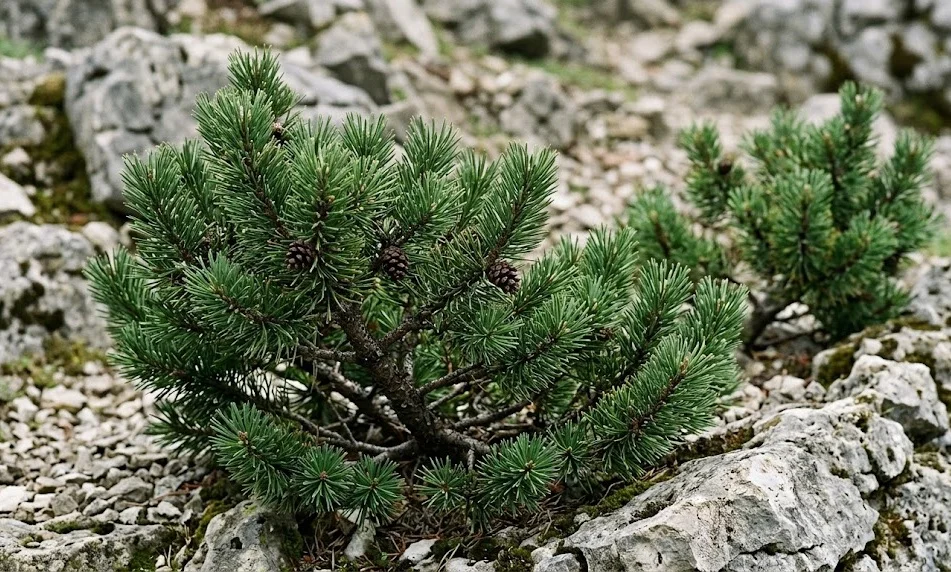

Providing the right environment for a dwarf mountain pine is the first step toward a thriving garden centerpiece. These resilient evergreens are known for their ability to withstand harsh conditions, but they still require thoughtful attention to reach their full potential. You should begin by assessing your local climate and soil conditions to ensure they align with the needs of this specific species. A proactive approach to care will save you significant time and effort as the plant matures over several decades.
Comprehensive care involves more than just occasional observation; it requires a deep understanding of the plant’s natural habitat. These pines originated in high-altitude regions where the air is crisp and the drainage is excellent. Replicating these conditions in a backyard setting involves balancing moisture levels and ensuring plenty of air circulation around the needles. When you prioritize these foundational elements, the plant will reward you with dense, vibrant green growth that remains attractive throughout the entire year.
Regularly inspecting the plant for any signs of stress or change is a hallmark of a dedicated gardener. You should look at the color of the needles, the rigidity of the branches, and the overall density of the foliage. Subtle changes in appearance can often signal a need for adjustment in your maintenance routine before a serious problem develops. Consistency is the secret to success with slow-growing evergreens, as they do not recover from neglect as quickly as faster-growing deciduous plants.
Finally, understanding the growth habit of this particular pine will help you set realistic expectations for its development. It is a slow grower, which means that any mistakes in care might take a long time to manifest or to correct. You must be patient and avoid the temptation to over-manage the plant through excessive intervention. By providing a stable and supportive environment, you allow the natural beauty and ruggedness of the dwarf mountain pine to shine in your landscape.
Soil and nutrient balance
The soil composition serves as the literal and metaphorical foundation for your dwarf mountain pine’s health. These plants prefer a medium that is somewhat lean and acidic, mimicking the rocky slopes of their mountain origins. You should avoid heavy clay soils that retain too much moisture, as this can lead to root suffocation and eventual decay. A well-draining loam or a sandy mix is often the best choice for promoting a robust root system.
More articles on this topic
Testing the pH of your soil is a professional step that can yield significant benefits for your garden. If the soil is too alkaline, the pine may struggle to take up essential nutrients like iron, leading to yellowing needles. You can amend the soil with organic matter or sulfur to lower the pH and create a more hospitable environment. Understanding the chemistry of your garden allows you to make informed decisions rather than relying on guesswork.
Aeration is another critical factor in maintaining a healthy soil environment for these evergreens. Compaction around the root zone can prevent oxygen from reaching the plant and hinder the drainage of excess water. You should avoid heavy foot traffic near the base of the pine and consider using a layer of mulch to protect the soil structure. A layer of organic mulch not only prevents compaction but also slowly breaks down to enrich the soil over time.
While these pines are not heavy feeders, providing a balanced nutrient profile is essential during their active growth phases. You should focus on slow-release fertilizers that provide a steady supply of minerals without causing a sudden flush of weak growth. Excessive nitrogen can lead to elongated, floppy branches that detract from the compact form of the dwarf pine. A moderate approach to fertilization ensures the plant remains sturdy and capable of withstanding environmental pressures.
Proper positioning in the landscape
Choosing the right spot for your dwarf mountain pine is one of the most important decisions you will make. These plants are incredibly versatile, but they perform best when they have enough space to grow without being crowded by larger neighbors. You should consider the ultimate spread of the variety you have chosen, as moving an established pine can be quite difficult. Airflow is just as important as sunlight, as stagnant air can encourage the development of fungal diseases.
More articles on this topic
The visual impact of the pine should also be a consideration when you are planning your garden layout. Because they maintain their color all winter, they are excellent candidates for focal points or structural borders. You can pair them with perennial flowers that offer seasonal contrast or with other evergreens for a layered, textural look. Placing them near pathways allows you to appreciate their fine-textured needles and pleasant aroma up close.
Slope and elevation within your yard can play a role in how well the pine manages water. Since drainage is paramount, planting on a slight incline or in a raised bed can be a very effective strategy. This prevents water from pooling around the trunk during heavy rains or spring thaws, which is a common cause of plant failure. You should observe how water moves through your property after a storm to identify the safest locations.
Proximity to structures and hardscaping should also be evaluated before you finalize the planting site. Reflective heat from walls or pavement can sometimes be too intense for young pines, even though they are generally heat-tolerant. You should provide a small buffer zone to ensure the plant doesn’t get scorched during the peak of summer. A thoughtful placement ensures that the pine integrates seamlessly into your landscape while remaining healthy and vibrant.
Monitoring seasonal changes
As the seasons transition, the needs of your dwarf mountain pine will naturally shift. Spring is a time of renewed activity, where you will see the “candles” or new growth tips emerging from the branches. This is the best time to perform detailed inspections and prepare the plant for the upcoming growing season. You should remove any debris that may have accumulated in the inner branches during the winter months.
Summer brings the challenge of heat and potential drought, which requires a more vigilant watering schedule. While the plant is drought-tolerant once established, young pines need consistent moisture to keep their root systems hydrated. You should monitor the soil moisture levels deeply rather than just checking the surface. Providing a deep soak once a week is usually more effective than frequent light sprinkles that don’t reach the roots.
Autumn is the period when the plant begins to harden off its growth in preparation for the cold months ahead. You should gradually reduce fertilization during this time to prevent the growth of tender new shoots that could be damaged by frost. It is also an excellent time to refresh your mulch layer to provide insulation for the roots. Ensuring the plant is well-hydrated before the ground freezes is a critical step for winter survival.
Winter care focuses primarily on protecting the plant from physical damage and extreme desiccation. Even though they are cold-hardy, the drying winds of winter can sap moisture from the needles faster than the roots can replace it. You might consider using a burlap screen in very exposed locations to break the wind’s force. Observing the plant throughout the winter helps you identify if the weight of snow is putting too much stress on the branches.
Managing growth and maturity
Understanding that the dwarf mountain pine is a long-lived species will help you plan your long-term maintenance. In its early years, the growth may seem almost imperceptible, but the plant is busy establishing a deep and wide root network. You should focus your efforts on supporting this underground growth during the first three to five years. Avoid the urge to heavily prune or move the plant during this critical establishment phase.
As the pine reaches maturity, it will develop its characteristic dense and mounded shape. This maturity brings increased resistance to environmental stressors like wind and moderate drought. However, the inner part of the plant may naturally lose some needles as they become shaded by the outer growth. This is a normal biological process, but you should still check to ensure it isn’t caused by a pest infestation.
If your pine begins to outgrow its intended space, you must handle the situation with care. Unlike some shrubs, pines do not easily sprout from old wood, so radical pruning can leave permanent gaps in the foliage. You should use “candling” to control the size of the plant gradually rather than waiting until it is too large. Maintaining the desired size through annual management is much easier than trying to downsize a mature specimen.
The lifespan of a well-cared-for dwarf mountain pine can span several decades, making it a true legacy plant in your garden. You may find that it becomes a cherished part of your landscape as it anchors the design through various garden renovations. Regular, low-intensity care is the best way to honor the longevity of this species. By staying attuned to its subtle needs, you ensure it remains a healthy and beautiful presence for years to come.
Professional aesthetic considerations
The aesthetic value of a dwarf mountain pine lies in its ability to provide structure and texture. Its dark green needles offer a perfect backdrop for more colorful or delicate plants in your garden beds. You should think about how the compact form of the pine contrasts with the airy foliage of grasses or the broad leaves of hostas. This interplay of textures creates a professional and sophisticated garden design that looks intentional and well-planned.
Using these pines in rock gardens is a classic design choice that highlights their natural ruggedness. They look particularly striking when nestled among large boulders or tucked into crevices where few other plants could survive. The slow growth rate ensures that they won’t quickly overwhelm the rocks or other small alpine plants. You can use different varieties of the species to create a sense of depth and variety within a small space.
For those with limited garden space, the dwarf mountain pine is an excellent candidate for large decorative containers. This allows you to bring the beauty of an evergreen to patios, balconies, or entryways where soil is not available. You must ensure the container has excellent drainage and is large enough to insulate the roots from temperature swings. Growing them in pots also allows you to move them around to find the perfect light levels.
Consider the year-round visual interest that these evergreens provide, especially during the bleak winter months. While many other plants have died back or lost their leaves, the pine remains a steadfast source of color. When covered in a light dusting of snow, the rounded shapes add a magical architectural element to the landscape. Investing in a dwarf mountain pine is an investment in the beauty of your garden for all twelve months of the year.
Climate adaptation and resilience
The dwarf mountain pine is celebrated for its ability to adapt to a wide range of climatic conditions. Whether you live in a region with cold winters or one with hot, dry summers, this plant can usually find a way to thrive. You should, however, be aware of the specific challenges your local climate might pose to an evergreen. For instance, high humidity can sometimes lead to fungal issues if the plant does not have enough space for airflow.
In colder climates, the primary concern is often the weight of heavy, wet snow on the branches. The dense growth habit of the dwarf mountain pine can trap snow, leading to bent or broken limbs. You can gently brush off excessive snow after a storm to protect the structural integrity of the plant. This simple act of care can prevent long-term damage to the plant’s attractive mounded shape.
In hotter regions, the focus shifts to preventing heat stress and ensuring adequate soil moisture. Providing a bit of afternoon shade can be beneficial in areas where the summer sun is particularly intense. You should also be more diligent with mulching to keep the root zone cool and moist. Even though they are tough, providing a little extra support during extreme weather helps them maintain their vigor.
Ultimately, the resilience of the dwarf mountain pine makes it a reliable choice for gardeners of all skill levels. It is a plant that can survive some degree of trial and error as you learn the specifics of your garden’s microclimate. By observing how the plant responds to your local weather patterns, you can refine your care routine over time. This adaptability is why it remains one of the most popular evergreens in the world of horticulture.
Avoiding common maintenance pitfalls
One of the most frequent mistakes gardeners make is overwatering their dwarf mountain pines. Because they are evergreens, people often assume they need constant moisture, but “wet feet” is the quickest way to kill them. You should always check the soil several inches deep before deciding to add more water. If the soil feels damp, it is best to wait a few more days to allow it to dry out slightly.
Another pitfall is planting the pine too deeply in the ground, which can lead to trunk rot. The top of the root ball should be level with or slightly above the surrounding soil surface. You should also ensure that mulch is kept a few inches away from the base of the trunk to allow for air circulation. Proper planting depth is a fundamental requirement that cannot be easily corrected later on.
Neglecting the inner health of the plant is also a common issue, as the outer foliage can look healthy while the interior is struggling. Periodically cleaning out dead needles and small twigs from the center of the mound helps prevent disease and pest buildup. This task is especially important for very dense specimens where light and air struggle to penetrate. A clean interior promotes a much healthier overall plant and reduces the risk of hidden problems.
Lastly, many people forget that even slow-growing plants eventually need a bit more space than they did at the nursery. Buying a plant because it looks cute in a small pot and then squeezing it into a tiny gap is a recipe for future stress. You should always research the mature size of your specific cultivar and give it the room it deserves. Avoiding these common errors will ensure that your dwarf mountain pine remains a healthy and joyful part of your gardening experience.