
Growing these beautiful woodland plants successfully requires an understanding of their natural habitat and growth patterns. They thrive best when we replicate the dappled shade and well-drained soils of their native Mediterranean regions. Cultivating them provides a stunning display of autumn color when most other garden plants begin to fade away. Developing a consistent routine ensures that these perennials return year after year with increasing vigor and beauty.
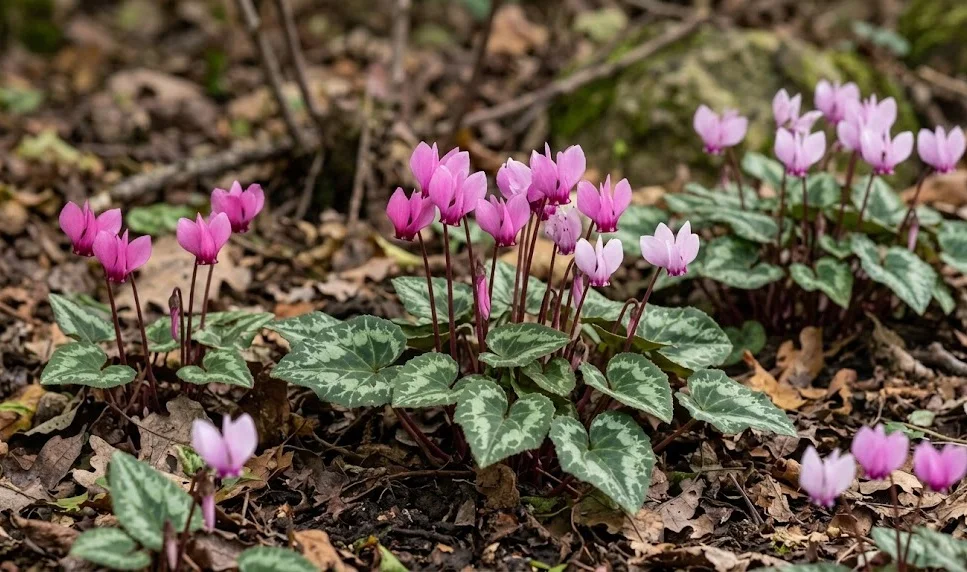
The life cycle of this species is quite unique compared to typical garden flowers because it remains dormant throughout the hot summer months. As autumn approaches, the distinctive pink or white blossoms emerge from the naked earth before the foliage even begins to unfold. This adaptation allows the plant to maximize resource collection during the cooler, wetter months of the year. Experienced gardeners appreciate this rhythm as it fills a crucial gap in the seasonal aesthetics of the landscape.
Maintaining the health of the tuber is the most critical aspect of long-term care for these woodland gems. The tuber acts as a primary storage organ, holding the necessary energy to support both flowering and leaf development. If the tuber becomes compromised due to poor environmental factors, the entire plant will quickly decline. Therefore, every care decision must prioritize the protection and preservation of this underground structure.
We should also pay close attention to the surrounding vegetation when integrating these plants into a garden design. They pair wonderfully with deciduous trees and shrubs that provide natural shade during the intensive summer heat. Companion plants should have non-aggressive root systems to prevent underground competition for space and nutrients. Selecting the right neighbors establishes a balanced mini-ecosystem where all species can flourish together.
Soil preferences and preparation
The foundation of successful cultivation lies in establishing the correct soil matrix before planting. These plants require exceptionally sharp drainage to prevent moisture from pooling around the sensitive root systems. Heavy clay soils present a significant risk because they trap excessive moisture and restrict oxygen flow to the tubers. Amending the planting area with generous amounts of organic matter and gritty sand creates the perfect structure.
More articles on this topic
Incorporating leaf mold or well-rotted compost mimics the natural forest floor conditions that these perennials love. These organic amendments not only improve soil structure but also provide a slow release of essential micronutrients. The ideal pH level should remain neutral to slightly alkaline, reflecting their native limestone habitats. Testing the soil beforehand allows for precise adjustments using lime or sulfur to achieve the optimum balance.
Aeration within the soil profile is just as critical as drainage for maintaining root health. Tubers need a loose, friable medium so that their delicate feeding roots can expand without resistance. Compaction from heavy foot traffic or improper tools can stunt growth and reduce flower production significantly. Gently working the soil to a depth of several inches ensures long-term breathability and openness.
Mulching the surface with a thin layer of fine bark or gravel provides multiple benefits for the soil environment. This protective layer helps to regulate ground temperatures and prevents heavy rains from compacting the surface. It also keeps the emerging flowers clean by preventing mud from splashing onto the delicate petals. Replacing this mulch annually maintains the freshness of the bed and continues to enrich the underlying soil.
Managing seasonal life cycles
Understanding the distinct phases of growth and dormancy dictates the timing of all maintenance tasks. When the plant enters its summer dormancy, the leaves completely wither away, leaving the ground seemingly empty. This period requires minimal intervention, as the tuber rests and prepares for the upcoming autumn explosion. Misinterpreting this quiet phase as a sign of plant death often leads to destructive overwatering mistakes.
More articles on this topic
As late August arrives, the first flower buds begin to push through the soil surface unexpectedly. This dramatic awakening signals the start of the active growth phase, requiring a shift in our management approach. Keeping the area clear of aggressive weeds ensures that these small blooms receive adequate air circulation and light. Observing these subtle changes allows us to provide timely support as the seasonal transformation unfolds.
Following the gorgeous floral display, the beautifully patterned, ivy-shaped leaves emerge to form a dense ground cover. This foliage persists throughout the entire winter and spring, capturing sunlight when the overhead tree canopy is bare. The leaves are vital for photosynthesis, generating the energy reserves needed for the next year’s bloom cycle. Protecting this foliage from physical damage during the winter months guarantees a strong performance in the future.
Finally, late spring brings a yellowing of the leaves, indicating that the plant is winding down its active period. We must allow the foliage to die back naturally rather than cutting it off prematurely while it is still green. This natural senescence allows the remaining nutrients to slide back down into the tuber for storage. Once the leaves are completely dry, they can be gently cleared away to tidy up the garden bed.
Ideal microclimates for growth
Creating the right microclimate within the garden can make the difference between a struggling plant and a thriving colony. These specimens prefer positions that replicate the edge of a woodland, where light is bright but filtered. Direct afternoon sun during the hottest parts of the year can scorch the foliage and overheat the dormant tubers. Placing them under the canopy of deep-rooted trees offers the perfect balance of shelter and light.
Air movement is another crucial microclimatic factor that heavily influences the health of the foliage and flowers. Good ventilation prevents stagnant moisture from lingering on the leaves, which significantly reduces the risk of fungal outbreaks. However, harsh and drying winds can dehydrate the delicate tissues, so a sheltered spot is always preferred. Striking a balance between protection and airflow creates an environment where the plants truly thrive.
Topography also plays a subtle role in establishing an excellent microclimate for these woodland perennials. Planting on a slight slope or a raised bed naturally enhances drainage and prevents water from pooling during heavy storms. It also positions the small, intricate flowers closer to eye level for better appreciation during autumn walks. Utilizing natural garden contours helps mimic the rocky hillsides where these plants naturally evolve.
Microclimatic stability throughout the year ensures that the tubers remain viable for decades. Sudden, extreme shifts in soil moisture or temperature can stress the plants and diminish their overall lifespan. By selecting a naturally insulated spot near a stone wall or under mature shrubs, we provide a buffer against environmental extremes. This careful placement fosters a stable environment where the colony can expand naturally over time.
Ensuring long-term vitality
Long-term success with these perennials involves regular observation and minimal but deliberate intervention over the years. As the tubers age, they naturally grow larger and can eventually reach the size of a small plate. These mature tubers produce an astonishing number of flowers, creating a spectacular carpet of color each autumn. Ensuring they have enough space to expand without crowding adjacent plants is key to their longevity.
Avoiding soil disturbance around established colonies is one of the best ways to ensure continuous vitality. The feeding roots spread horizontally just beneath the surface and can be easily damaged by careless digging or hoeing. Marking the planting areas clearly prevents accidental damage during the dormant summer months when the plants are invisible. Respecting their space allows the root system to establish a robust and permanent network.
Gently clearing away fallen autumn leaves from the center of the plant clusters helps maintain health. While a light leaf litter mimics the natural habitat, a thick, matted layer of heavy leaves can suffocate the emerging flowers. Using a soft rake or clearing the debris by hand prevents physical damage to the fragile stems. This simple task ensures that light reaches the base of the plant, promoting compact and sturdy growth.
Monitoring the density of the colony over several years helps determine if the plants require thinning. While they enjoy growing in close proximity, extreme overcrowding can lead to smaller flowers and increased disease pressure. If the display begins to look congested, plan to address the issue during the correct seasonal window. Regular evaluation keeps the colony looking its best while maintaining the individual health of each tuber.
Frequent missteps in daily care
One of the most common errors in managing these plants is planting the tubers upside down. The top of the tuber is slightly depressed and smooth, while the bottom often retains fibrous root remnants. Placing them incorrectly forces the emerging shoots to grow downward before turning upward, wasting precious energy. Taking the time to identify the correct orientation during planting saves the plant from significant initial stress.
Another frequent mistake is applying heavy overhead watering during the peak of summer dormancy. Many gardeners see an empty patch of soil and assume it needs regular hydration along with the rest of the garden. This unnecessary moisture triggers rot in the resting tuber, often destroying the plant before the autumn season arrives. Restraining the impulse to water during the summer sleep is absolutely critical for survival.
Using strong, nitrogen-rich chemical fertilizers is also highly detrimental to the natural development of this species. Excessive nitrogen stimulates lush, weak leaf growth at the expense of flower production and weakens the plant’s natural defenses. The resulting soft tissue is highly susceptible to pests and fungal infections, compromising the overall structure. Sticking to organic, slow-release options prevents this unnatural and dangerous growth spurt.
Lastly, burying the tubers too deeply in the soil can severely inhibit flowering and overall vigor. The tubers should sit just below the soil surface, covered by only a thin layer of grit or light compost. Deep planting forces the flower stems to struggle through too much earth, often resulting in aborted buds. Keeping them near the surface aligns perfectly with their natural growing habits in the wild.
Maximizing the visual appeal
To truly appreciate the beauty of these autumn treasures, strategic placement within the landscape design is essential. Planting them along walkways or near garden entrances ensures that their delicate, fragrant flowers are easily noticed. They look most spectacular when planted in large, sweeping drifts rather than as isolated single specimens. Grouping them creates a powerful visual impact that defines the autumn garden landscape.
Combining these perennials with contrasting foliage plants enhances the visual texture of the garden floor. Ferns, small hostas, and ornamental grasses provide an excellent backdrop that accentuates the detailed silver patterning on the cyclamen leaves. As the companion plants begin to die back in late autumn, the cyclamen takes center stage with its fresh, vibrant foliage. This thoughtful combination ensures continuous visual interest throughout the changing seasons.
Utilizing rock gardens or stone features provides a stunning structural contrast to the delicate flowers and leaves. The grey or brown tones of natural stone make the pink and white blossoms pop with incredible intensity. Furthermore, stones absorb heat during the day and release it slowly at night, creating a favorable local environment. This integration combines aesthetic excellence with practical environmental benefits for the colony.
Finally, encouraging natural self-seeding allows the plants to create their own artistic arrangements over time. Ants are naturally drawn to the sugary coating on the seeds and transport them to unexpected crevices and corners. These spontaneous seedlings often look far more natural and charming than anything designed by human hands. Allowing the garden to evolve organically results in a breathtaking, authentic woodland display.