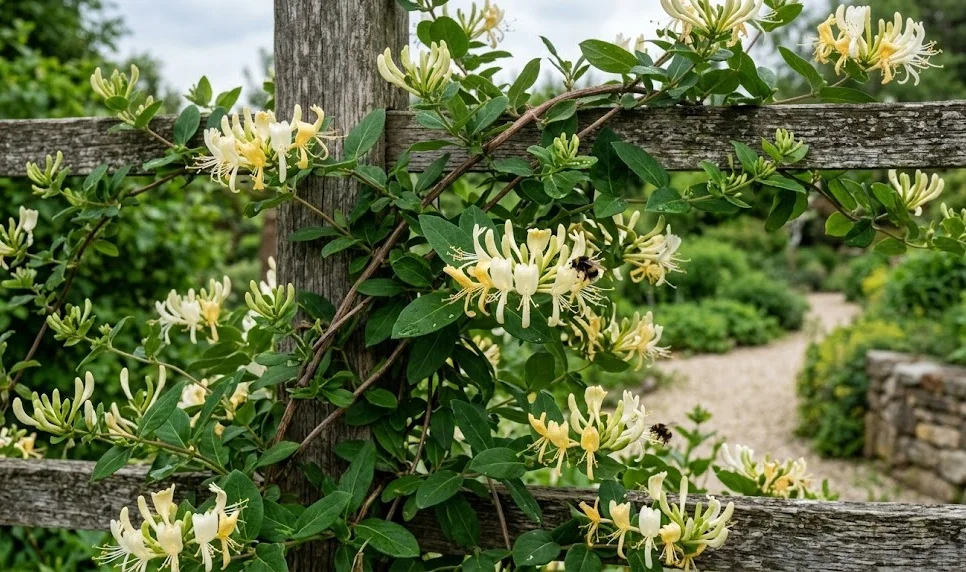

Correct irrigation and nutrient management are the two most important factors in achieving a lush, flowering vine. While the Italian woodbine is relatively hardy, it performs significantly better when its basic physiological needs are met with precision. Overwatering can be just as damaging as drought, making it essential to find a balanced approach that suits your specific climate. Professionals understand that the secret to a thriving plant lies in the consistency of the care provided throughout the year.
The root system of a mature vine can extend deep into the soil, but the majority of the active roots are found in the upper layers. This means that the plant benefits most from deep, infrequent watering rather than light, daily sprinkling. By allowing the top few centimeters of soil to dry out between sessions, you encourage the roots to grow deeper in search of moisture. This deeper root system makes the plant much more resilient during dry periods and improves its overall stability.
During the active growing season, the water requirements of the plant increase dramatically as it produces new foliage and flowers. If the soil is allowed to dry out completely during this time, the plant may drop its buds or experience leaf scorch. You should monitor the weather closely and adjust your watering schedule to account for periods of extreme heat or wind. A well-hydrated plant is better able to regulate its internal temperature and maintain its aesthetic appeal.
In contrast, the watering frequency should be significantly reduced during the dormant winter months. The plant’s metabolic processes slow down, and excess moisture in the soil can lead to root rot or fungal issues. However, the soil should never be allowed to become bone-dry, especially if the ground is not frozen. Finding this balance is a key part of professional horticultural practice and requires a keen understanding of the local environment.
Designing an effective irrigation strategy
Automated irrigation systems, such as drip lines or soaker hoses, are often the best choice for managing large climbers. These systems deliver water directly to the base of the plant, minimizing evaporation and keeping the foliage dry. Wet foliage is a major contributor to the spread of fungal diseases, so avoiding overhead watering is a professional priority. A timer can be used to ensure that the watering occurs at the optimal time, usually in the early morning.
More articles on this topic
Mulching plays a vital role in any irrigation strategy by helping the soil retain moisture for longer periods. A thick layer of organic mulch, such as wood chips or leaf mold, acts as an insulating blanket for the root zone. It reduces surface evaporation and keeps the soil temperature more stable, which is beneficial for root health. As the mulch breaks down, it also adds valuable organic matter to the soil, further improving its water-holding capacity.
Checking the soil moisture manually is still the most reliable way to determine if the plant needs water. You can do this by sticking your finger into the soil or using a dedicated moisture meter for more precise readings. If the soil feels damp at a depth of five centimeters, you can usually wait another day or two before watering. This hands-on approach prevents the common mistake of overwatering based on a rigid schedule rather than the plant’s actual needs.
Water quality can also impact the health of the vine, especially in areas with very hard or softened water. Rainwater is generally the best option, as it is naturally soft and free from the chemicals often found in municipal supplies. If you must use tap water, letting it sit in a container for twenty-four hours can help some of the chlorine dissipate. Collecting rainwater in barrels is a sustainable and professional practice that benefits both the garden and the environment.
Understanding the nutritional needs of the vine
Providing the right nutrients at the right time is essential for promoting vigorous growth and abundant flowering. A balanced fertilizer containing nitrogen, phosphorus, and potassium is usually sufficient for most garden settings. Nitrogen supports leaf and stem growth, while phosphorus is critical for root development and flower production. Potassium helps the plant regulate its water use and improves its overall resistance to environmental stress.
More articles on this topic
Early spring is the ideal time to apply a slow-release fertilizer to give the plant a boost as it wakes up from dormancy. This provides a steady stream of nutrients over several months, coinciding with the peak growing period. Avoid using high-nitrogen fertilizers late in the summer, as this can stimulate soft growth that is easily damaged by frost. A more balanced or low-nitrogen approach is better as the plant prepares for the winter months.
Organic fertilizers, such as fish emulsion or seaweed extract, can provide a range of micronutrients that are often missing from synthetic products. These natural options also support the beneficial microbial life in the soil, which helps the plant’s roots absorb nutrients more efficiently. Many professional gardeners prefer organic methods because they build long-term soil health rather than just providing a quick fix. Integrating both organic and mineral fertilizers can create a comprehensive nutrition plan.
The frequency of fertilization depends on the quality of the soil and the age of the plant. A young, establishing vine may require more frequent feeding than an older, well-established specimen that has access to a larger volume of soil. If the plant appears healthy and is flowering well, it is often better to under-fertilize than to risk nutrient toxicity. Always follow the manufacturer’s instructions and adjust based on the specific observations you make in your garden.
Recognizing and correcting nutrient imbalances
Visual cues from the foliage can often alert you to nutritional deficiencies before they become a serious problem. Yellowing of the older leaves while the veins remain green is a classic sign of magnesium deficiency, which can be corrected with Epsom salts. If the new leaves are pale yellow or white, it may indicate an iron deficiency, often caused by soil that is too alkaline. Understanding these signals allows you to intervene with specific targeted treatments.
Conversely, over-fertilization can lead to a buildup of salts in the soil, which can burn the roots and cause leaf margins to turn brown. This is why it is important to water the plant thoroughly after applying any granular fertilizer to help wash the nutrients into the root zone. If you suspect an overdose, flushing the soil with large amounts of fresh water can help remove the excess salts. Professional growers always prioritize precision over quantity when it comes to chemical applications.
Soil testing is the only way to accurately determine what nutrients are actually available to the plant. A laboratory analysis will provide a detailed breakdown of the soil’s chemical composition and its pH level. This information is invaluable for creating a custom fertilization plan that addresses the specific needs of your garden. It prevents the waste of money on unnecessary fertilizers and ensures that the plant receives exactly what it needs to thrive.
The timing of the nutrient application should be coordinated with the watering schedule to ensure maximum uptake. Applying fertilizer to bone-dry soil can cause root damage, so it is best to water the plant lightly before and heavily after feeding. This ensures that the nutrients are dissolved and move through the soil profile where the roots can access them. A professional approach to feeding involves understanding the chemical interactions between water, soil, and plant biology.
Long-term soil health and sustainability
Maintaining a healthy soil ecosystem is the best way to reduce the need for supplemental fertilizers and irrigation. Regularly adding organic matter, such as composted leaves or kitchen scraps, improves the soil structure and its ability to cycle nutrients naturally. A living soil full of earthworms and beneficial bacteria is much more resilient than a sterile medium dependent on chemical inputs. Professionals view the soil as a living organism that must be nurtured over time.
Crop rotation is not possible with a permanent climber, so maintaining the health of the specific planting site is even more critical. Avoiding the use of heavy machinery or excessive foot traffic around the base of the plant prevents soil compaction. Compaction reduces the amount of oxygen available to the roots and hinders the movement of water through the soil. Creating a dedicated “no-walk” zone around the vine is a simple but effective professional technique.
Using cover crops or living mulches in the surrounding area can also contribute to the overall health of the soil. These plants fix nitrogen from the air and protect the soil surface from erosion and nutrient leaching. They also provide a habitat for beneficial insects that can help control pests on the Italian woodbine. This holistic approach to garden management creates a self-sustaining system that requires less intervention over time.
Ultimately, the goal of watering and fertilizing is to support the natural vigor of the plant without making it overly dependent on human intervention. A well-placed Italian woodbine in healthy soil will often thrive with minimal supplemental care once it is established. By focusing on the fundamentals of soil health and proper hydration, you create the conditions for a stunning and enduring garden feature. Excellence in gardening is about working with nature rather than trying to dominate it.