
Preparing this hardy climber for the challenges of winter is essential for ensuring a vigorous start in the following spring. While it is naturally cold-tolerant, extreme fluctuations in temperature and drying winds can still cause significant damage to the stems. A professional overwintering strategy involves a combination of structural protection and soil management to safeguard the plant’s delicate root system. Understanding the dormant phase of the plant allows you to provide the support it needs to survive the coldest months.
The process of preparing for winter begins long before the first frost arrives in the garden. You should gradually reduce the amount of nitrogen-rich fertilizer you apply in late summer to discourage soft, new growth. This allows the existing stems to lignify, or turn woody, which makes them much more resistant to freezing temperatures. A plant that has properly hardened off is far better equipped to handle the stresses of a harsh winter than one that is still actively growing.
Hydration is a critical but often overlooked aspect of winter care, especially for plants in regions with drying winds. Even when the plant is dormant, it still loses moisture through its stems, and if the ground is frozen, the roots cannot replace it. Watering the plant deeply just before the ground freezes provides a reservoir of moisture that can help prevent desiccation. This is particularly important for younger vines that have not yet developed an extensive root network to tap into deeper soil layers.
Mulching is perhaps the most effective way to protect the root zone from the cycles of freezing and thawing. A thick layer of organic material, such as straw, bark, or shredded leaves, acts as an insulator for the soil. This prevents the “heaving” effect, where the soil expands and contracts, potentially damaging the roots or even pushing the plant out of the ground. A well-mulched plant maintains a more stable root temperature, which is vital for its long-term health and survival.
Implementing physical protection methods
In areas with exceptionally cold winters or very exposed locations, additional physical protection may be necessary for the above-ground parts of the vine. You can wrap the main stems in burlap or specialized horticultural fleece to provide a barrier against the wind and extreme cold. This is particularly helpful for protecting the buds that will become next year’s first flush of flowers. Ensure that the wrapping is secure but not so tight that it restricts air circulation, which could lead to rot.
More articles on this topic
If the vine is growing against a wall or fence, the structure itself can provide some natural protection by blocking the wind and radiating heat. However, in some cases, the reflected heat can cause the plant to wake up too early during a winter thaw, leaving it vulnerable to subsequent freezes. Using a temporary screen made of lattice or shade cloth can help moderate these temperature fluctuations. Professional gardeners often use these temporary structures to create a more stable microclimate for their most valuable specimens.
Check the stability of the support structure before the winter storms arrive to prevent any mechanical damage to the plant. Heavy snow or ice can add a significant amount of weight to the vines, potentially causing a weak trellis to collapse. Pruning back some of the longest or most exposed shoots can reduce the wind resistance and the likelihood of the stems being snapped by the elements. A well-supported vine is much more likely to emerge from the winter without any structural injuries.
If the plant is young or recently moved, you might consider mounding additional soil or mulch around the base of the stem. This protects the crown, which is the most sensitive part of the plant where the stems meet the roots. Even if the upper parts of the vine are damaged by a severe freeze, a protected crown can often sprout new growth in the spring. This “insurance policy” is a standard practice in professional horticulture for species that are on the edge of their hardiness zone.
Managing the plant during the dormant period
Once the plant has entered full dormancy, the primary goal shifts from active care to passive monitoring. You should avoid any heavy pruning or fertilizing until the spring, as this would only stimulate growth that could be killed by a late frost. The plant is essentially in a state of deep sleep, focusing its energy on maintaining its core vascular system and root health. Respecting this natural cycle is a key part of successful long-term gardening.
More articles on this topic
However, you should still check on the plant periodically, especially after a major storm or a period of extreme weather. Look for any signs of mechanical damage, such as broken branches or a shifted trellis, and address them promptly. If you notice that the mulch has been washed away or disturbed by animals, replace it to ensure the roots remain protected. These small maintenance tasks can prevent minor issues from becoming major setbacks during the winter months.
In regions where the ground does not stay frozen all winter, you may need to provide occasional supplemental water during dry spells. Choose a day when the temperature is above freezing and the soil is capable of absorbing the moisture. This prevents the stems from drying out completely, which is a common cause of winter dieback in many woody climbers. A professional approach involves adapting your routine to the specific weather conditions of each individual year.
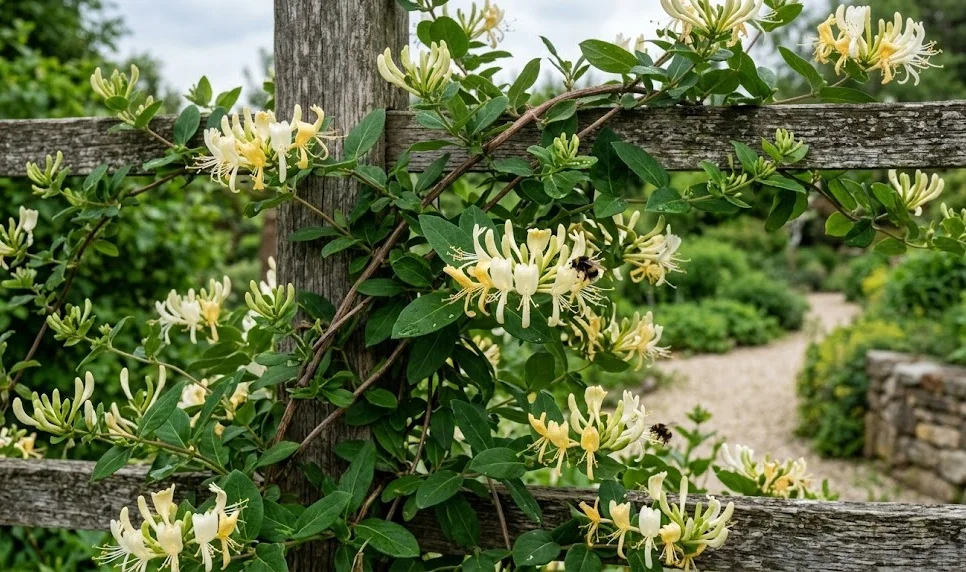
Monitoring for pest activity, even in the winter, can reveal the presence of rodents or other animals that might chew on the bark. In a sparse winter landscape, the stems of an Italian woodbine can be an attractive food source for hungry wildlife. If you notice signs of chewing, you can install a wire cage or use a professional-grade repellent to protect the lower parts of the plant. Guarding against these physical threats is just as important as protecting against the cold.
Preparing for the spring transition
As the days begin to lengthen and the temperatures start to rise, the plant will slowly begin to emerge from its dormant state. This is a sensitive time, as a sudden late frost can easily damage the tender new buds that are starting to swell. You should wait until the danger of a hard freeze has passed before removing any winter wraps or protective screens. Gradual exposure to the changing conditions allows the plant to adapt without experiencing excessive shock.
The first signs of growth are usually seen at the nodes along the stems, where the new leaves will eventually emerge. If you notice that some of the tips have died back during the winter, you can prune them off once you are sure where the healthy wood begins. This “tidying up” helps the plant direct its energy into the most productive areas and improves its overall appearance. A professional gardener uses this time to assess the overall health of the specimen after its winter ordeal.
Once the soil has thawed and warmed up slightly, you can remove some of the excess mulch from the base of the plant to allow the sun to reach the soil. This helps the root zone warm up more quickly, which in turn stimulates the start of the active growing season. Replacing the old mulch with a fresh layer of compost provides a slow-release source of nutrients for the coming months. This transition marks the end of the winter cycle and the beginning of a new year of growth.
Documenting the success of your overwintering techniques in a garden journal provides valuable information for future years. Note which methods worked best and if any parts of the plant were particularly susceptible to damage. This record allows you to refine your approach and provide even better care in the future. Achieving excellence in overwintering is a continuous process of learning and adapting to the unique challenges of your garden’s climate.